
Microplastics in Blood
What Science Knows (And What it Doesn’t – Yet)
In recent years, scientists have confirmed what they’ve suspected all along: Microplastic pollution is entering the human bloodstream. Research discovered tiny plastic particles in nearly 80% of people tested. So how does it happen? How is plastic entering our bodies, and – more importantly – what can we do about it?
In this article, we’ll unpack what this means for your health, and what you can do to reduce your exposure to microplastic pollution.
Story at a Glance
-
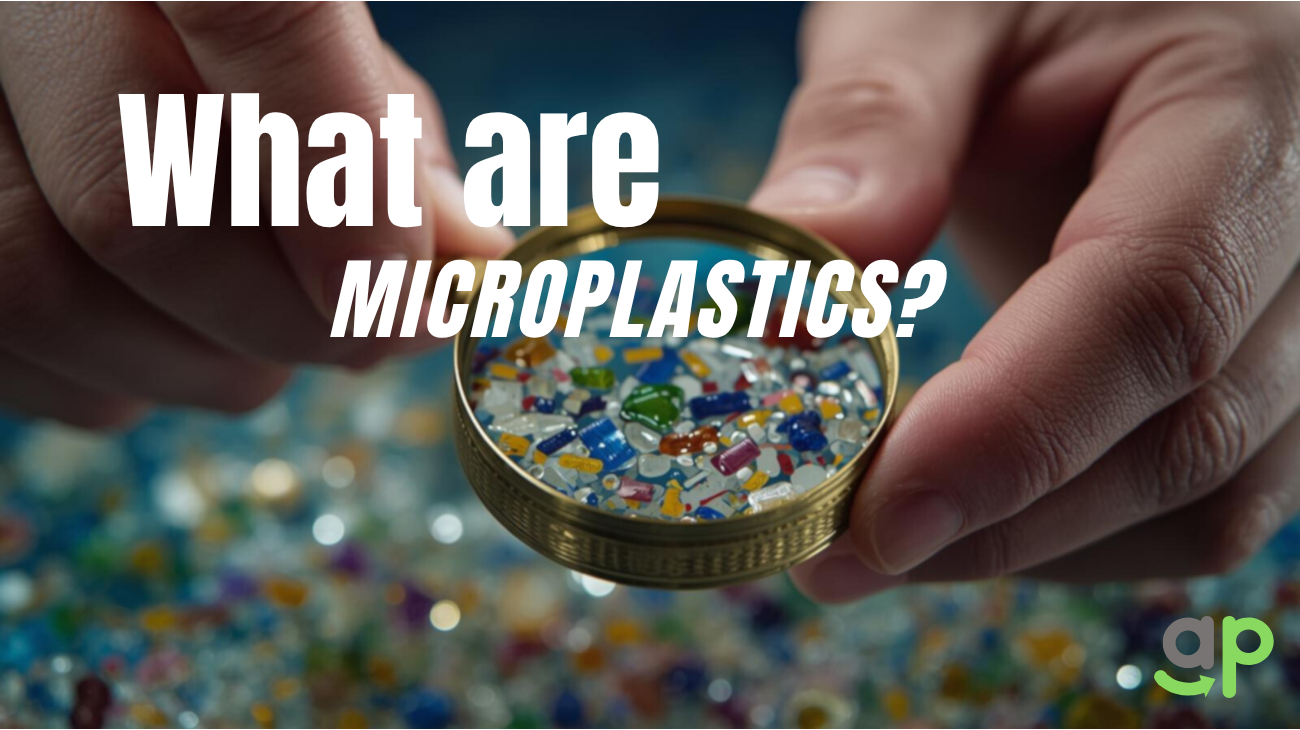
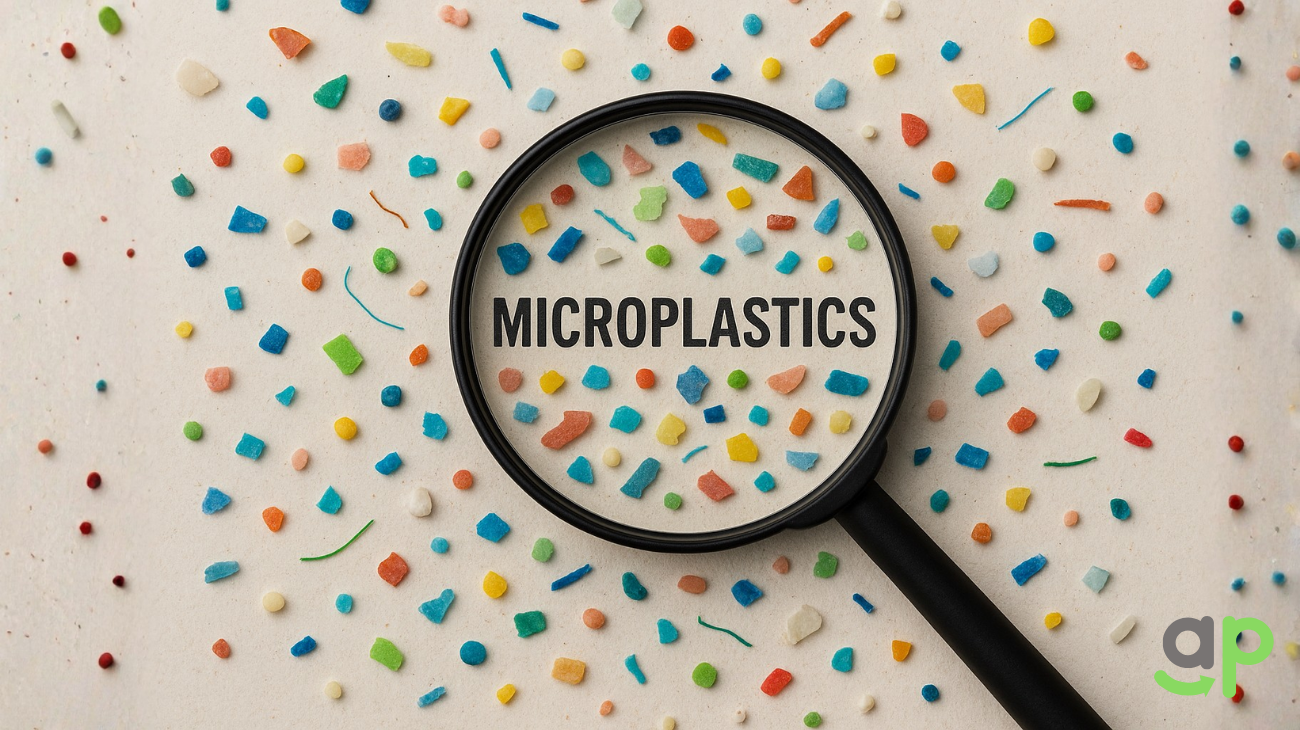
WHAT ARE MICROPLASTICS? Microplastics are tiny fragments under 5mm, usually invisible to the naked eye.
-
WHERE THEY COME FROM: Released through the breakdown of bottles, packaging, textiles, and everyday plastic usage.
-
WHY IT MATTERS: Nanoplastics have been detected in human blood, lungs and even placentas, with scientists still deciphering what this means long-term.
-
THE CONCERN: Early studies suggest inflammation, oxidative stress, cytotoxicity, genotoxicity, and cell damage.
-
WHAT YOU CAN DO: Reduce reliance on single-use plastics, choosing filtered tap water over bottled water, and opt for fresh foods over processed packaged options.
What Are Microplastics?
Maybe you’ve seen the headlines: Microplastics have officially been detected in human blood. It certainly rings the alarm bells, but the good news is that we are finally reaching a turning point in how we think about plastic. Instead of hitting the panic button, let’s break it down.
Nanoplastics are tiny plastic fragments of less than 5mm in size (but many are far smaller and invisible to the naked eye). While some are “primary microplastics”, meaning they were manufactured to this size intentionally (like microbeads found in certain toothpastes and face scrubs) others are “secondary microplastics”. This means they form unintentionally when larger items like bottles, packaging, or synthetic fabrics break down into smaller pieces over time.
The problem is that these particles don’t fragment then disappear. They linger in the environment, transmitted through water, air, and soil. That’s why scientists say they’re everywhere, because they are. From the deepest ocean trenches to the food on our plates, microplastics have become an almost-unavoidable part of daily life.
But the good news is that there are ways to minimize your exposure. But first…
Why Are Microplastics in Blood, And How Do They Enter The Human Body?
How can something so small find its way into our bloodstream? The answer lies in how deeply plastics have woven themselves into modern life. First of all, their most obvious route is through what we eat and drink. From microplastics in water bottles to table salt, seafood, and even some fruits and vegetables, microplastic fragments are all around us.
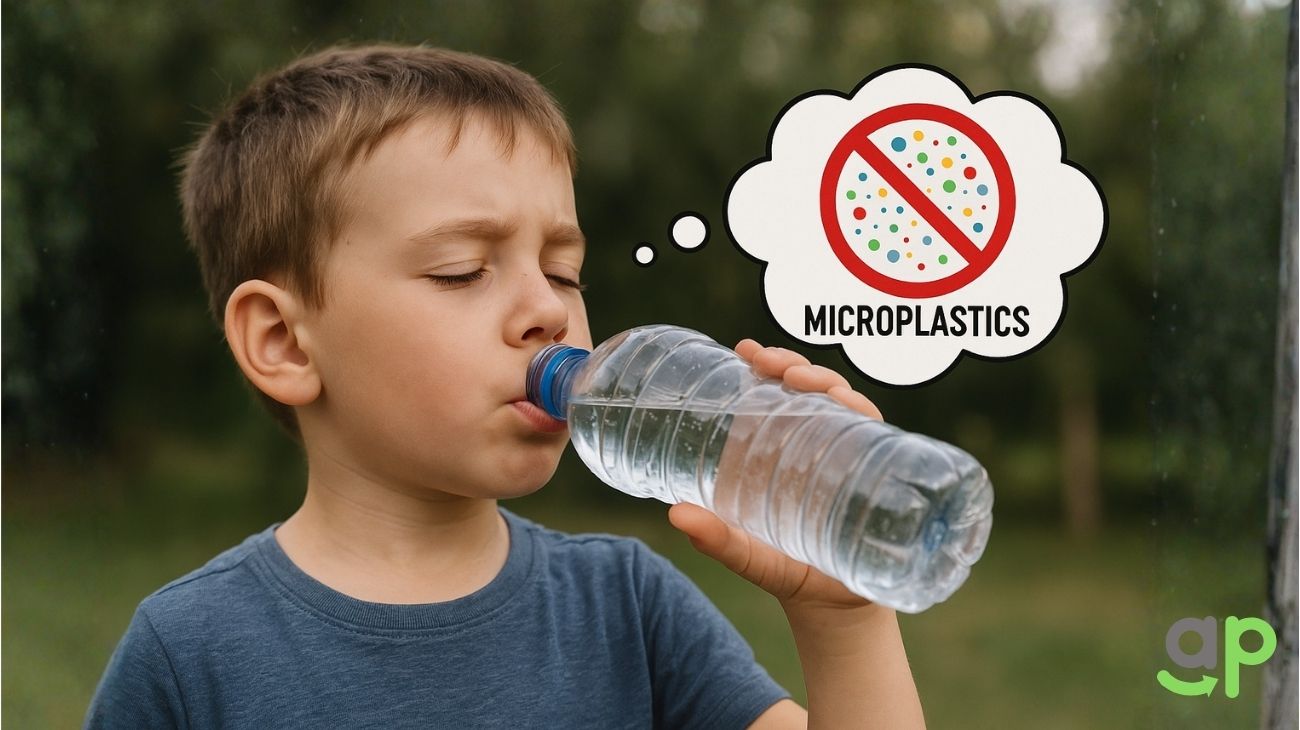
Microplastics in seafood in particular is under a lot of scrutiny, what with marine animals swallowing tiny plastic particles floating in the water. Microplastics in bottled water present just as significant a problem, since the very packaging itself can shed nanoplastic fragments.
Air is another hidden pathway for nanoplastics. Fibers from synthetic textiles like nylon and polyester are released every time they’re washed or worn. Once airborne, these fibers can be inhaled. Even indoor dust has been shown to carry a surprising amount of microplastics, which means you could be inhaling these fragments without even knowing or noticing.
Skin contact is also another pathway, seeing as plastic microbeads are commonly found in certain cosmetics and personal care products. While bans exist in some countries, not every nation worldwide is on-board.
Regardless of their route into the body, once inside, small microplastic particles can cross cell barriers, come into direct contact with lipid membranes, and enter the bloodstream. That’s how researchers were able to detect them for the first time in history.
Microplastics in Humans: What it Means for Your Health
While scientists are still searching for answers, here’s what we know so far: Multiple lab studies have linked microplastic exposure to inflammation, oxidative stress, and even disruption to the immune system. Some findings even hint to a potential impact on hormones, much like BPAs and other chemicals found in plastic products.
Accumulation is also a concern. If these particles can enter the bloodstream in the first place, could they also lodge in organs or tissues over time? Researchers suspect as much, with plastic fragments having already been detected in human lungs and even placentas. While much of this evidence is still relatively new, the risks are real enough to be taken seriously.
Is It Possible to Avoid Microplastics?
In truth, avoiding plastic fragments entirely is unrealistic. They’re in the air we breathe, the food we eat, and the water we drink. But that doesn’t mean you’re powerless. Just like choosing to reduce your sugar and salt intake, small changes can make a difference. Here are some simple shifts you can make to reduce your microplastic exposure and take action for your health:
- Drink Filter Water Over Bottled
- Choose Fresh Food Over Packaged
- Rethink Textiles
- Keep Indoor Air Fresh
- Avoid Single-Use Plastics
Studies show that bottled water carries more microplastics than tap water. All you need is a good microplastics filter to significantly lower your exposure.
Processed and overly-packaged foods carry more microplastics than their fresh counterparts, particularly from contact with packaging during production and storage.
Synthetic fabrics like polyester shed fibers when washed or worn. Consider swapping in more natural fabrics like cotton or linen to not only reduce personal exposure, but environmental plastic pollution too.
Through regular cleaning and sufficient ventilation, you can lower the amount of airborne microplastic fibers and dust you breathe at home.
From shopping bags to takeout containers, every plastic item you avoid means fewer fragments ending up in circulation.

Microplastics in Humans: The Bottom Line
While we are yet to learn the full impact of nanoplastics in our bloodstreams, early evidence points to enough risk to take action. Until we have more science at our disposal, the best approach we can take is balance. Microplastics are part of modern living, but we can make choices that minimize exposure and – in turn – health consequences.
You can avoid microplastics in water by organizing a filter for your tap, while cooking more fresh food, choosing natural textiles where possible, and storing food in glass or aluminum instead of plastic (which don’t shed microscopic particles). This is how we can give ourselves a measure of control that protects our health today and leaves a cleaner legacy for generations to come.