
For businesses in today’s socioeconomic climate, being sustainable is no longer an option, not if they want to stand any chance of success at least.
Sustainability is a top priority for businesses across a number of industries. When you consider the fact that consumer’s sustainability demands are rising with the passing of each and every year, it’s easy to understand why sustainability is so important to businesses of all scales.
In particular, we’ve noticed a sharp increase in the number of drinks and beverage companies shifting their business objectives to allow them to be more eco-friendly, and not before time. Research over the years shows that a number of prominent drinks giants are responsible for large percentages of the world’s plastic pollution. This clearly highlights the fact that beverage companies need to be more sustainable, especially when it comes to their packaging.
The good news is that many drinks companies are indeed overhauling their packaging choices and taking sustainability seriously.
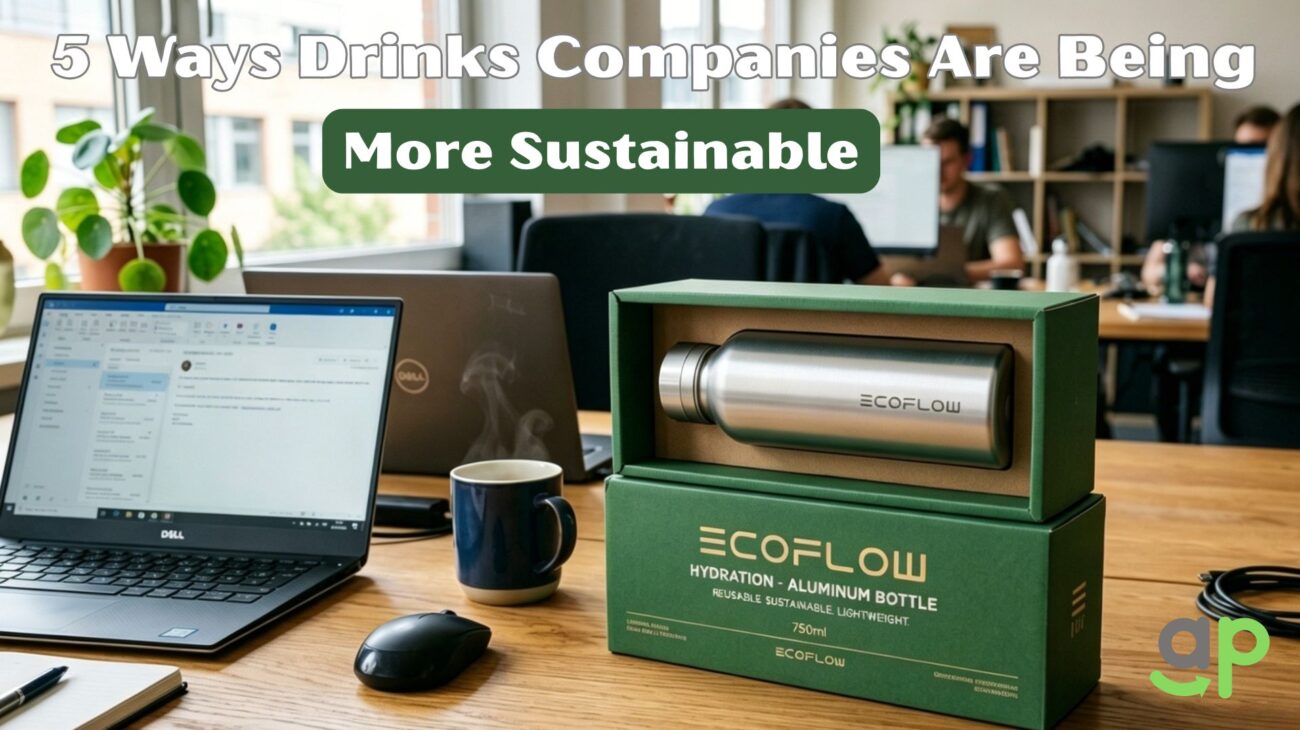
Here’s a look at 5 ways in which beverage companies are being more sustainable.
Drinks Companies are Embracing Renewable Energy
For organizations looking for tried and tested ways of reducing their carbon footprint, renewable energy is the future. Not only does renewable energy help to reduce carbon footprints and save the planet, it also allows companies to save money in the process.
Producing various beverages, labels, packaging, and containers needed for storage and shipping all require energy of some sort. Rather than getting their energy straight from the grid, more and more drinks companies are looking at renewable sources instead.
Thanks to devices such as solar panels, wind turbines, and biomass boilers, beverage companies are harnessing the power of nature to generate their energy instead. Distilleries and vineyards for example, are taking spent grain, mash, vine clippings, and what would otherwise be waste, and using it as fuel to power their biomass boilers.
Beverage Companies are Finding Creative Ways of Using Waste
As well as using waste by-products as fuel for biomass boilers, a number of beverage companies around the globe are finding other creative ways of using their waste products.
Many distilleries in the US, Scotland, Japan, and beyond for example, often repurpose their mash (spent grains from the production process) and use it as feed for livestock at nearby farms. In fact, on the Scottish island of Islay, in the village of Bowmore, the Bowmore Whisky Distillery uses its waste heat to provide heat for the swimming pool at the local leisure facility.
In the wine industry, waste grape skins, stems, stalks, and pulp, or ‘pomace’ as it is known, can also be used in a variety of different ways. Pomace can be used as fertilizer, it too can be used as animal feed, it can be used as biofuel, it can be composted, and it can even be used in cosmetics.
Drinks Companies are Lowering Their Carbon Footprints
Perhaps one of the most common examples of beverage companies embracing sustainability with open arms is by them lowering their carbon footprints.
Reducing a carbon footprint is all about reducing the amount of energy you use and waste, and ideally, offsetting it as well. More and more drinks companies around the globe are taking active measures to reduce their carbon footprints in a number of ways.
In the UK, independent bottlers such as GreatDrams are repurposing cardboard boxes for their orders, rather than using new boxes each time. Producing new cardboard requires a great deal more energy than recycling cardboard, and repurposing old cardboard boxes is even greener still.
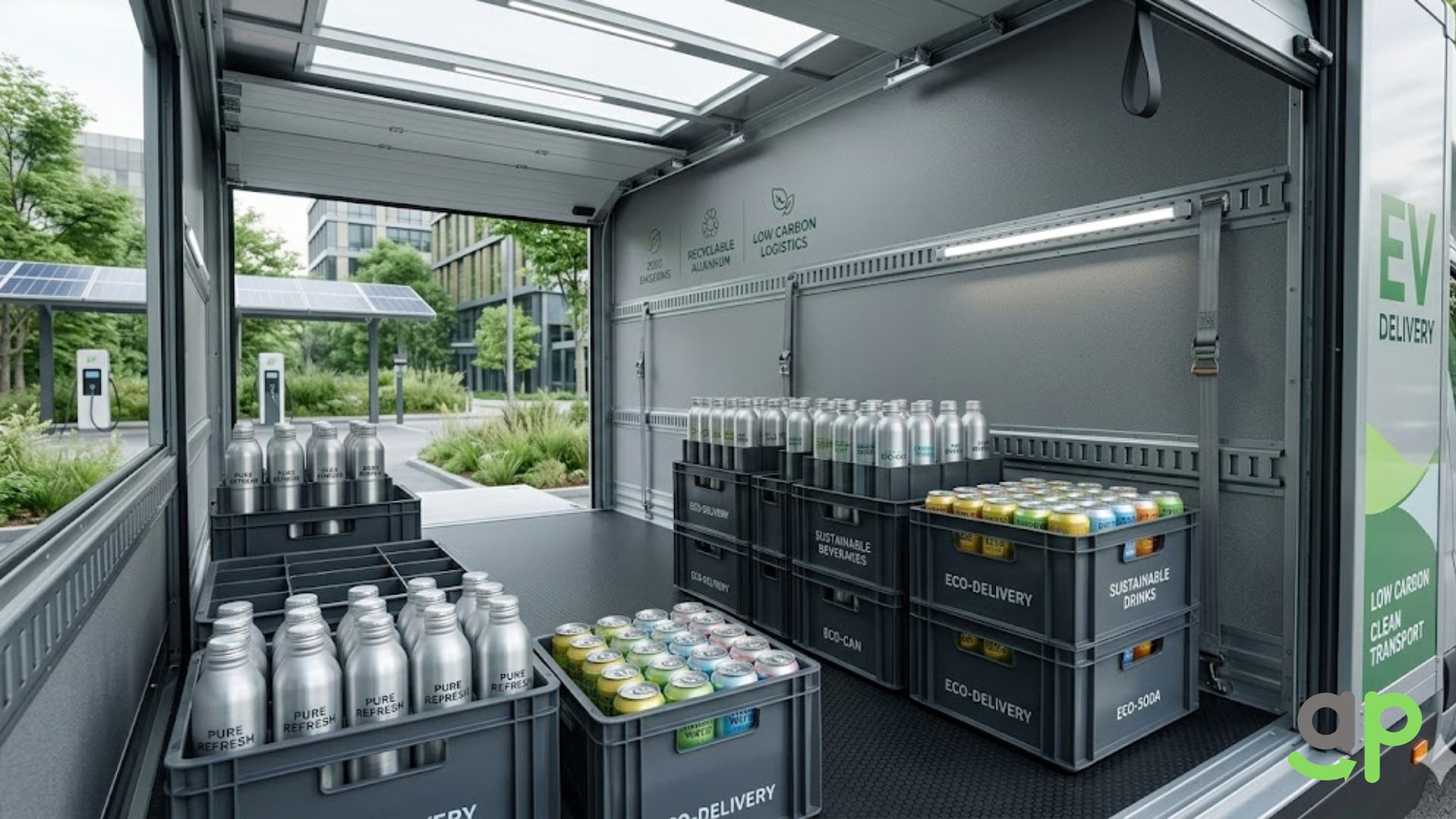
As well as repurposing packaging materials whenever possible, drinks companies around the world are employing other measures to lower their carbon footprints and be greener. Instead of using vehicles for shipping orders powered by fossil fuels, they’re instead using electric vehicles. Instead of standard lighting systems in their offices and production warehouses, they’re instead using LED bulbs which use far less energy and last much longer too.
Carbon offsetting is also an initiative being utilized by more drinks companies around. Here, they’ll do things like planting trees to offset their carbon emissions and energy usage.
Companies are Experimenting with Compostable Packaging
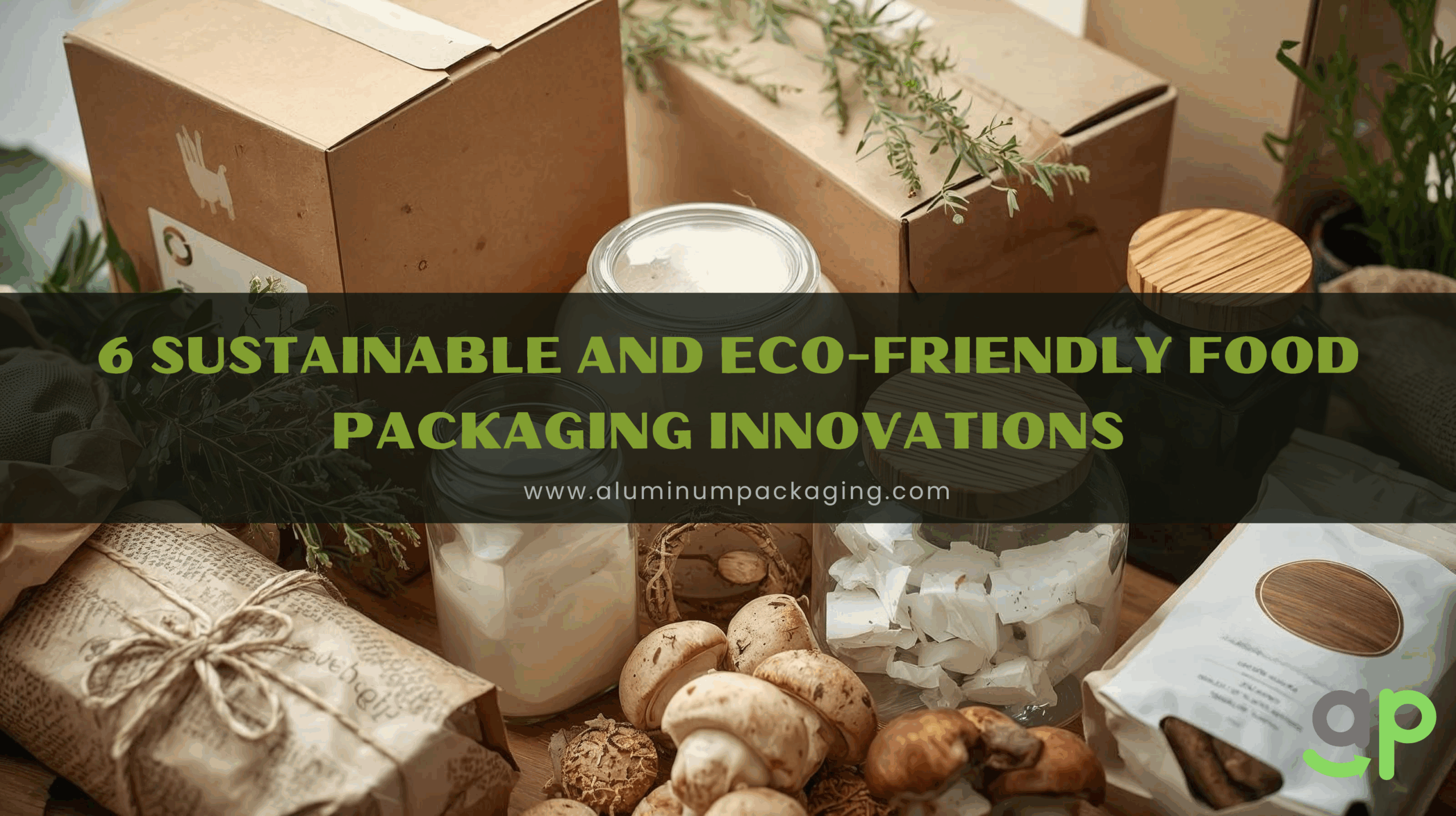
As more and more beverage companies distance themselves from plastic packaging, we’re seeing more of them switching to compostable, biodegradable packaging options instead.
Because these packaging materials are compostable and biodegradable, they naturally break down and decompose, and have no negative impacts on the environment. In fact, as they’re composted down, they will nourish the compost and can be used to increase the nutrient content of soil needed for growing fresh produce.
Drinks companies are experimenting with unique bottle designs made from materials such as pulp, that can be recycled or composted. Some companies such as The Glenlivet in Scotland, and Notpla, have even introduced zero-waste edible drinks capsules made from materials such as seaweed.
More Beverage Companies are Using Aluminum Packaging
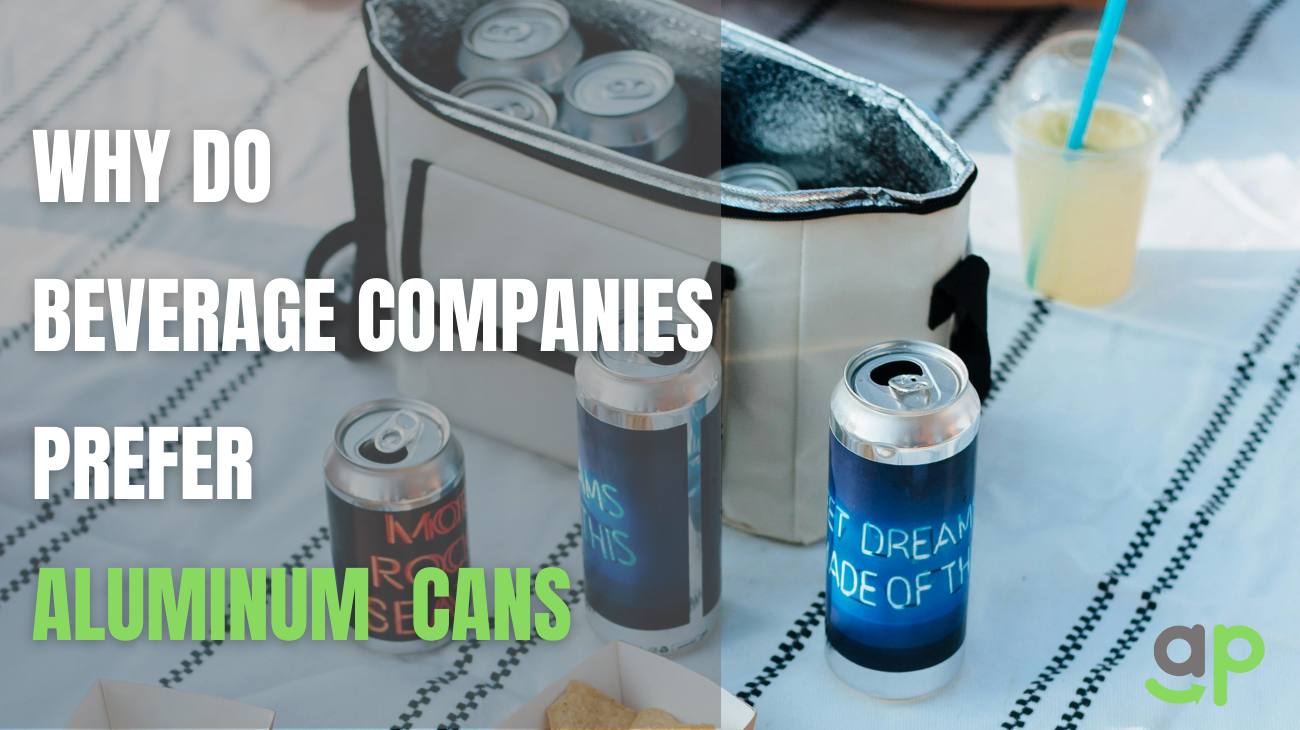
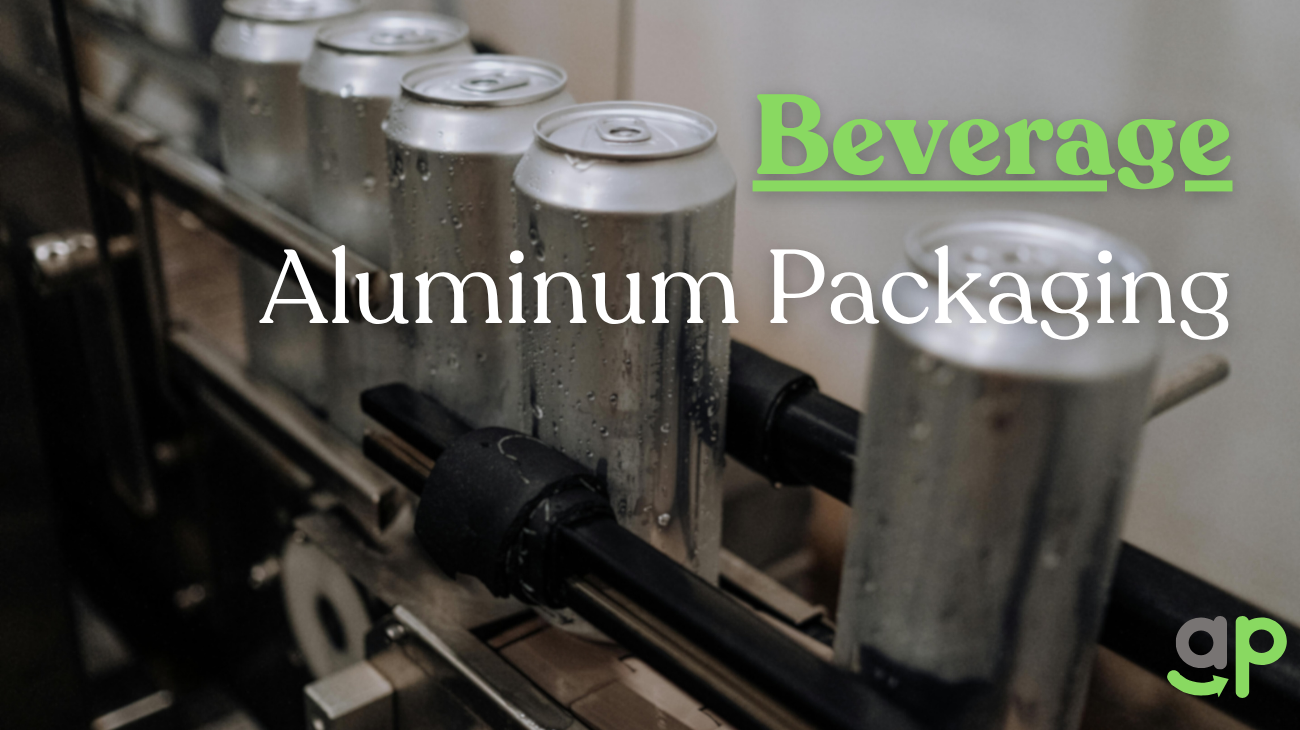
Finally, there are a number of reasons why aluminum cans have been used for things like soda, beer, and cider for a number of decades now. One such example is simply the fact that aluminum is so sustainable.
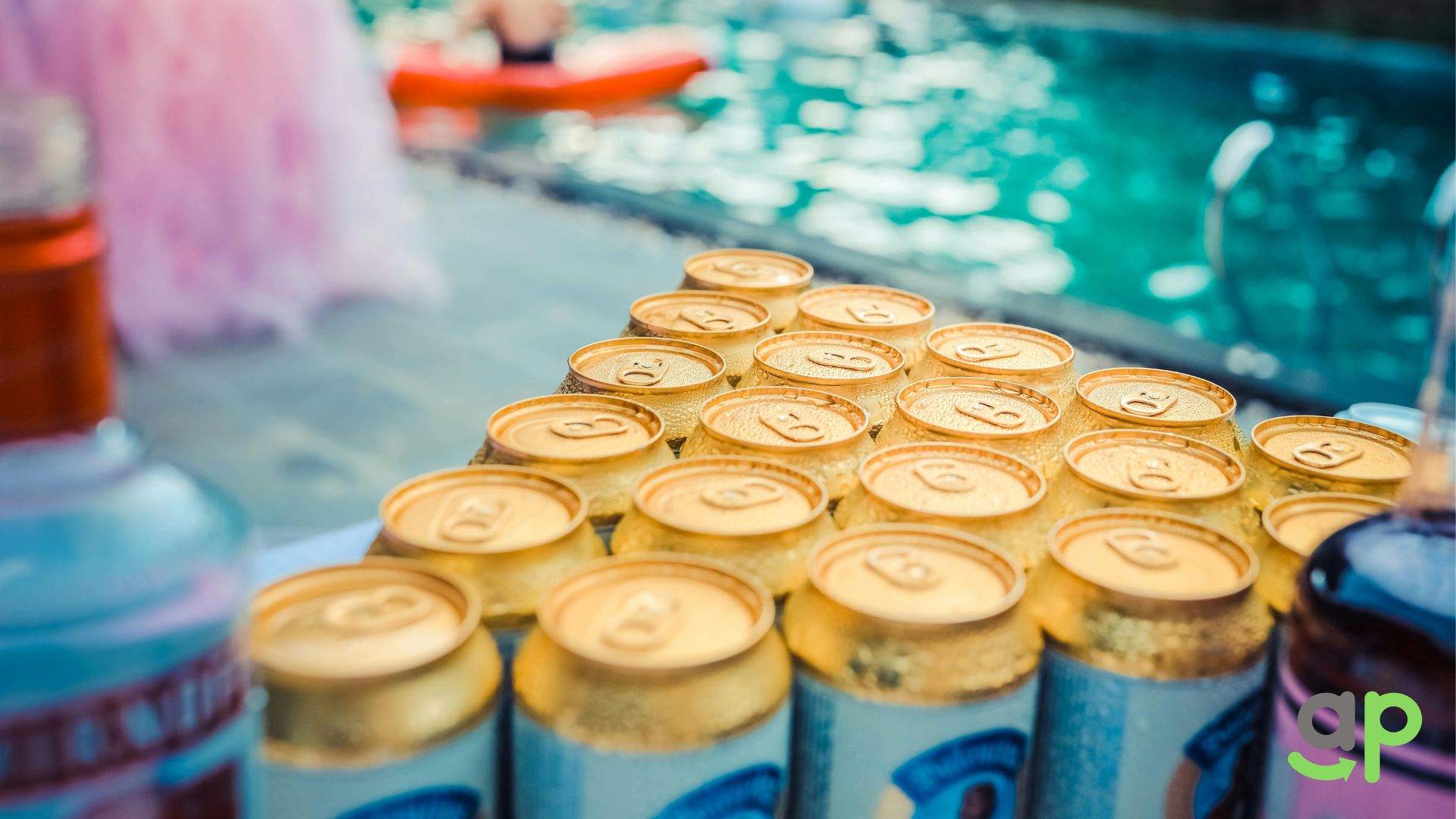
Image source: Pexels
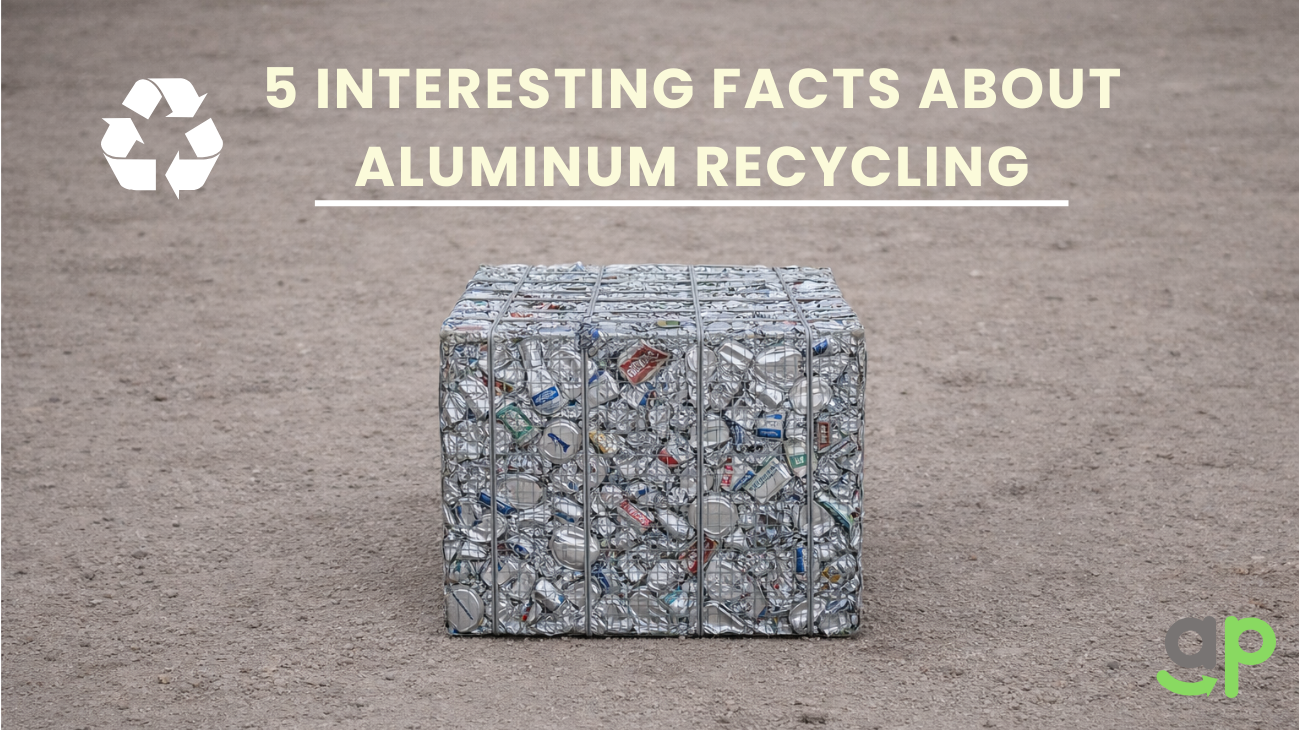
Aluminum is one of the most sustainable packaging materials in the world today, and it is one which has been synonymous with the food and drinks industry for many decades. Aluminum is perfect for beverages as it protects against sunlight, moisture, and oxidative damage while helping to keep drinks cool and fresh. It’s also light in weight, making drinks cans portable and convenient for consumers.
As we’re focusing on sustainability today, however, it’s the fact that aluminum can be recycled as many times as you like, and requires far less energy during this process than other materials commonly used in packaging, that really make it a green champion.
You may also like