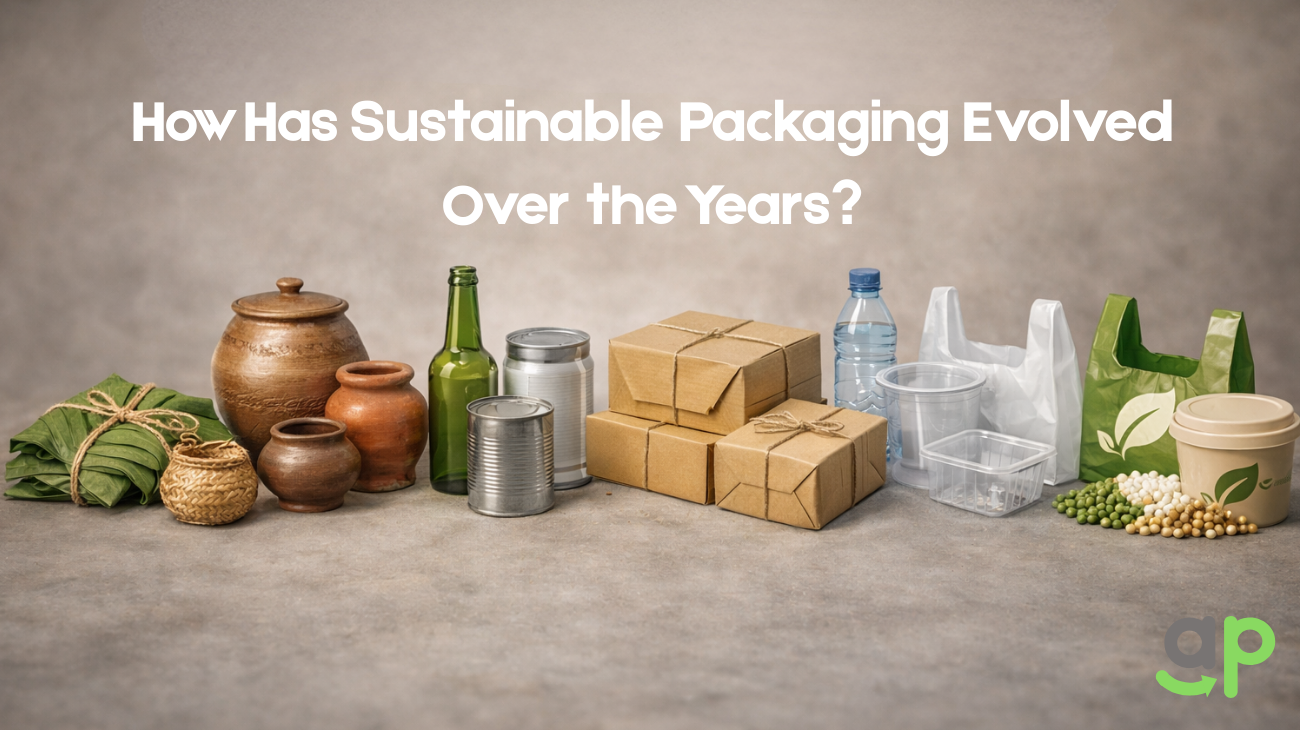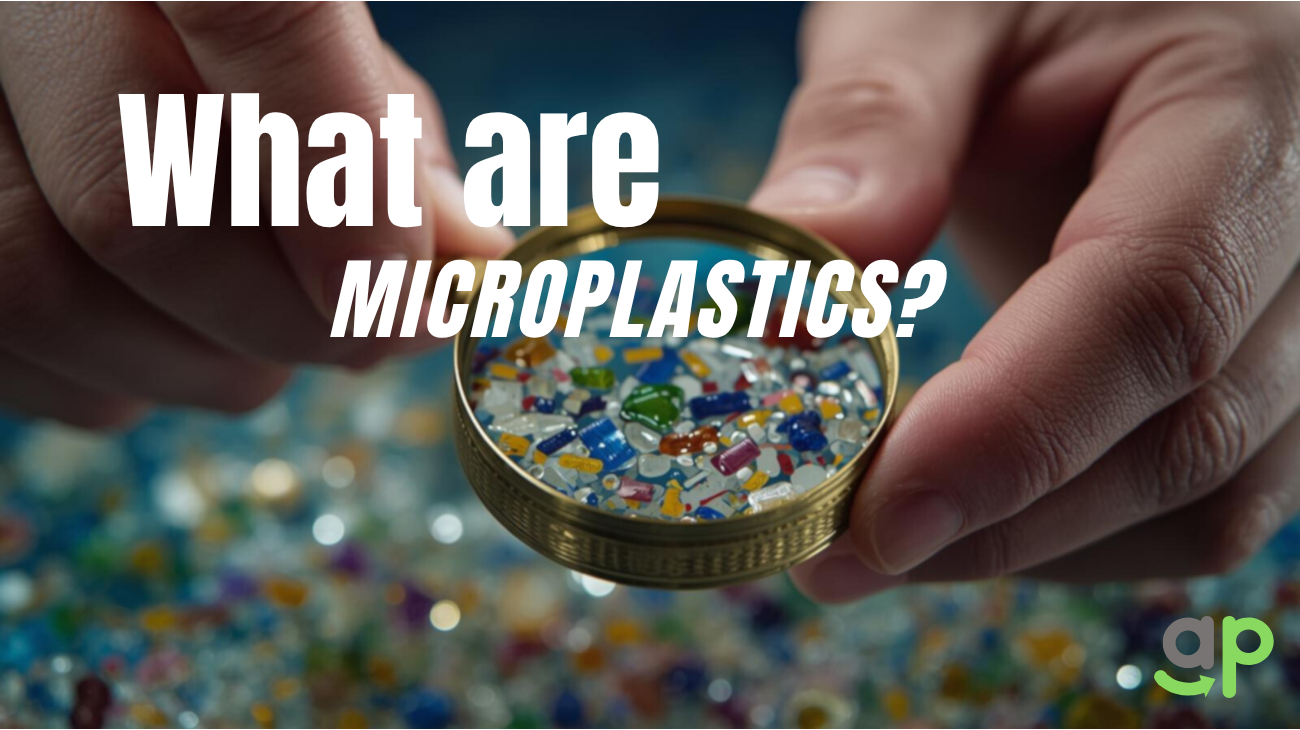

As more and more countries do their bit to tackle plastic pollution, businesses are being forced to adapt to these changes or risk hefty penalties and potential legal issues. Needless to say, packaging is one of the first things that will need a complete overhaul.
The effects of plastic pollution on the environment are now well documented and because it has been the packaging material of choice for many decades now, some businesses are struggling to find viable alternatives deemed kinder for the planet.
Fortunately, there are a number of greener, sustainable, eco-friendly alternatives to plastic packaging that are not only better for the planet, but also more economical as well.
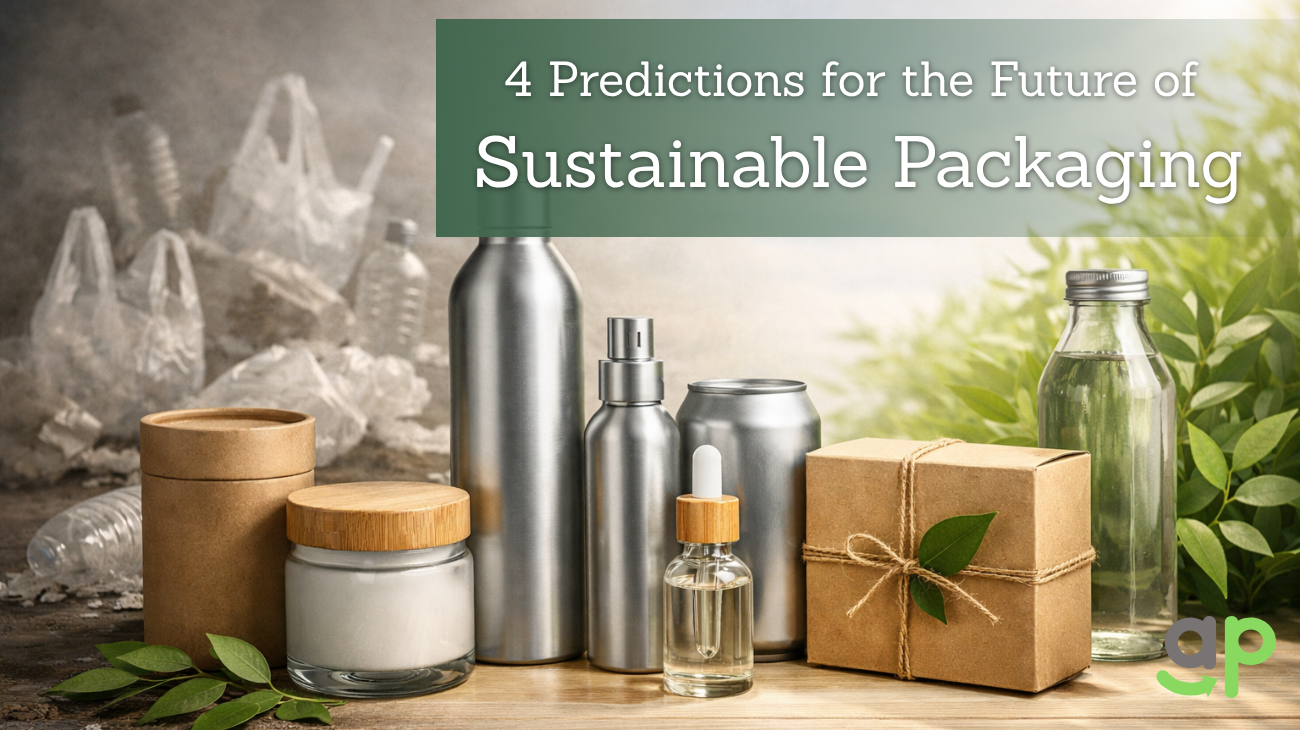
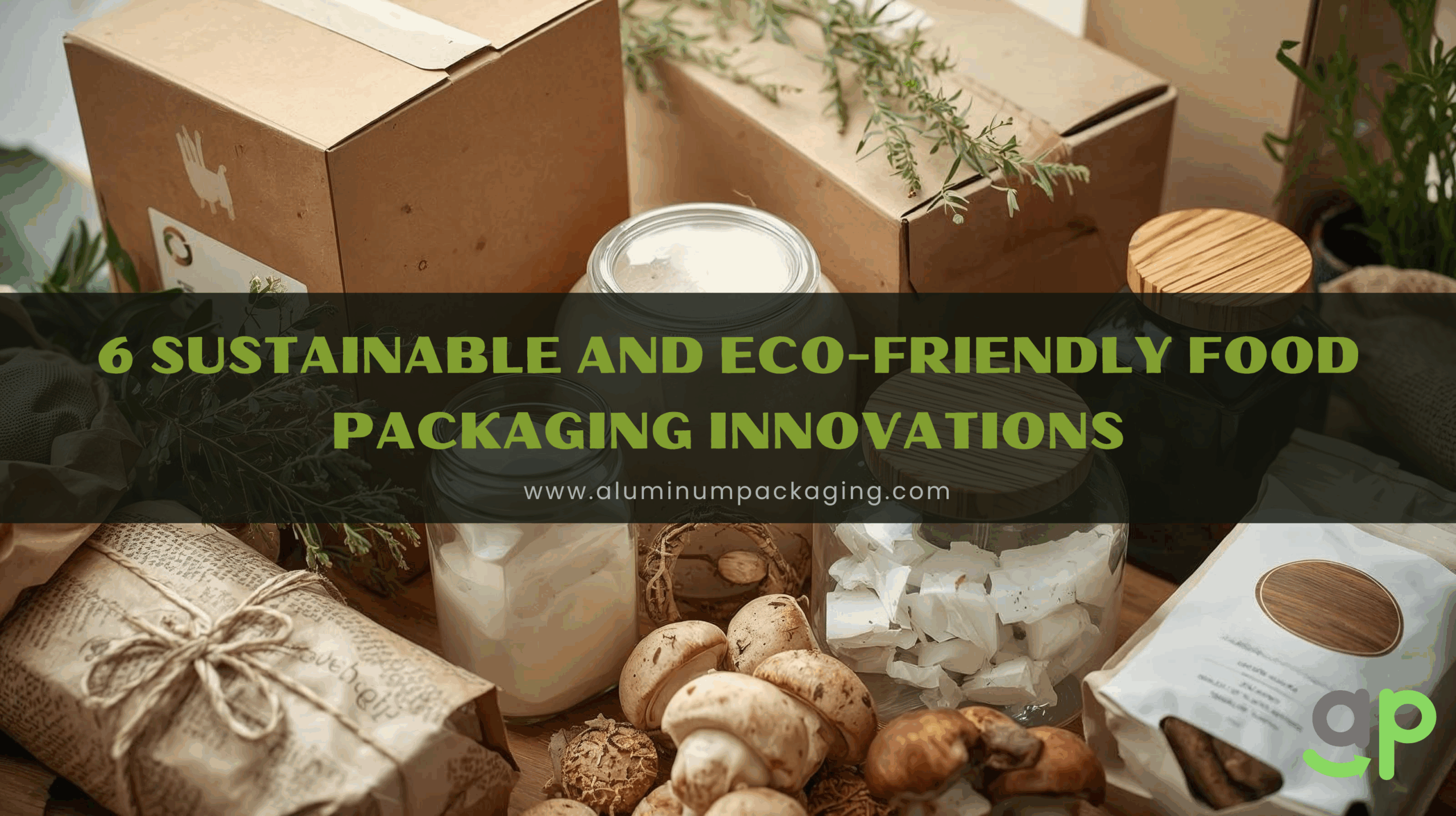
If you’re looking for ways of making your packaging more sustainable, here are several environmentally friendly alternatives to plastic packaging.
Edible Packaging
We’ll start off with a look at one of the most unique and innovative forms of sustainable packaging currently available – edible packaging.
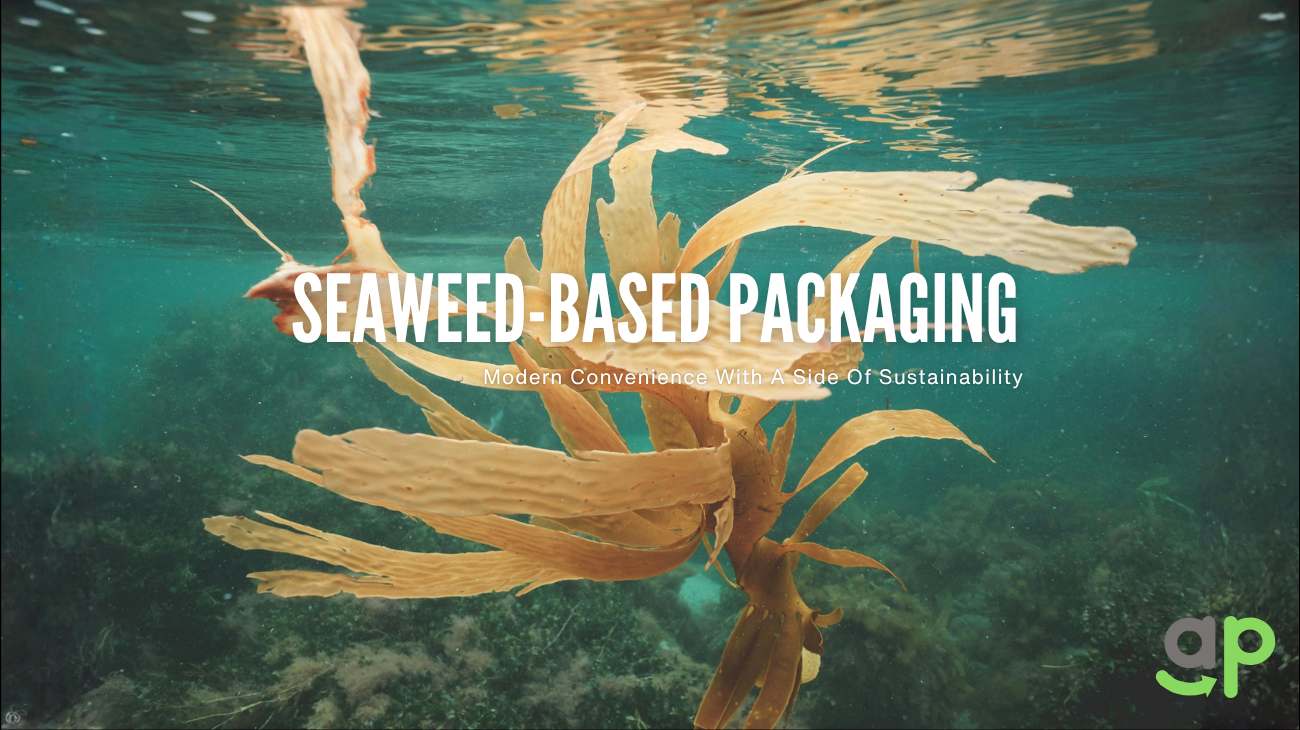
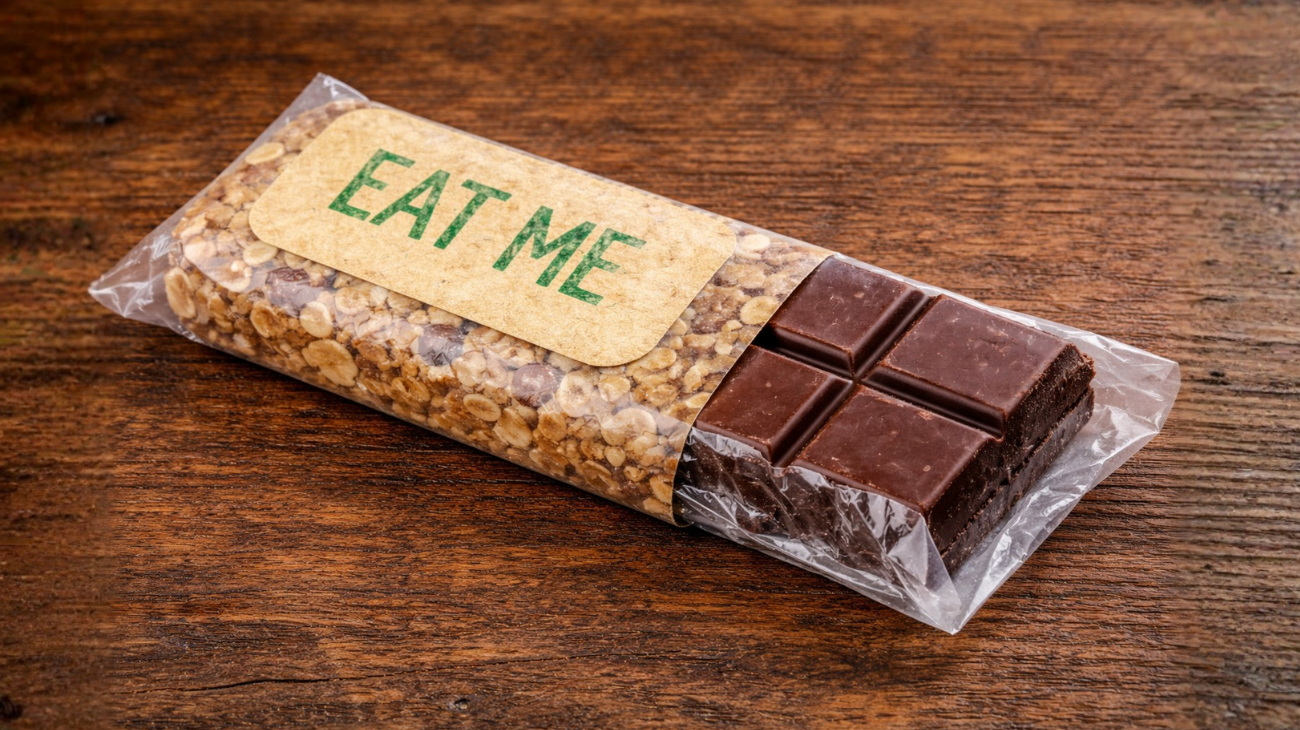
Edible packaging, as the name implies, is a form of packaging that is completely safe and edible. The packaging is made from a variety of different edible food sources including potato starch, cornstarch, and seaweed. Edible packaging can take many forms, with popular examples including edible cutlery, edible cups, and edible pouches.
Obviously, one of the best things about edible packaging is that there is zero waste. Unlike other forms of packaging which are either recycled or go straight into the trash, once your products have been unwrapped, you dispose of the packaging by eating it.
Another advantage associated with edible packaging is the fact that it is compostable and biodegradable.
The primary downside to edible packaging is the fact that it is not suitable for all products and so it does definitely have its limitations. It may not provide as many preservative properties as other materials such as aluminum, plus it may also have a limited shelf life as it could spoil.
Paper Bubble Wrap
While paper packaging is now far more common than it was decades ago, because it’s so thin it does have its limitations and is not suitable for studier, heavier items as it would rip.
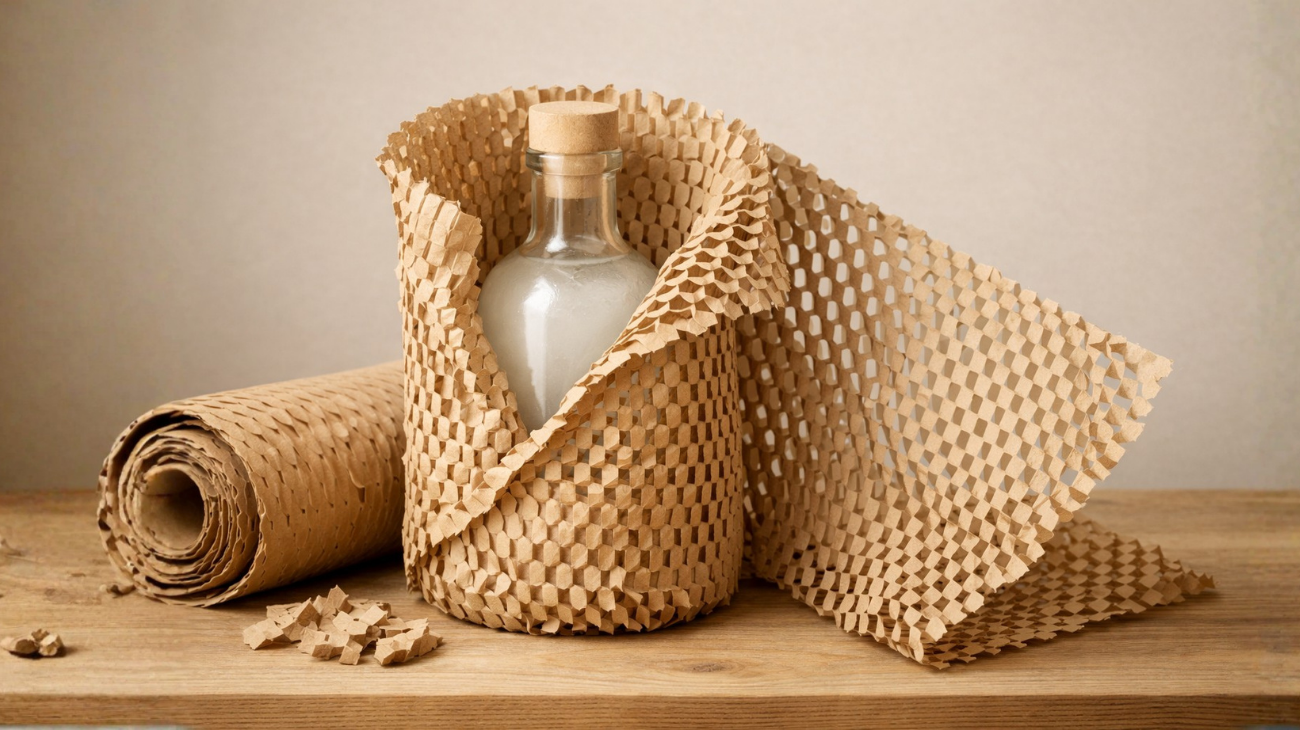
One example of paper packaging that is proving to be more popular however, is paper bubble wrap.
Ordinarily, bubble wrap is made from plastic which, may be stronger and sturdier, but is also far worse for the environment. A great alternative to this is bubble wrap which is made from paper.
Paper bubble wrap is made from 100% recycled paper and is typically used to provide a cushioned, protective layer of packaging for fragile and breakable products, such as those made from glass. As it is made from paper, it is of course recyclable, as well as compostable and biodegradable.
Plant-Based Plastics
Plant-based plastics, also known as ‘bioplastics’ have been steadily growing in popularity over the years, with many considering them to play a key role in the future of food packaging .
Plant-based plastics are also derived from edible food sources, though these ones are in fact, not edible themselves. They’re derived from plant-based ingredients such as cornstarch, potato starch, seaweed, and sugar cane and are biodegradable and compostable, while also being much more recyclable as well. This makes them far more sustainable than plastics, which pollute ecosystems and never fully break down.
Glass Packaging
Glass has had a reputation for being green and sustainable for many decades now. It’s strong, it’s sturdy, it’s naturally derived, and it is highly recyclable.
Because of the fact that glass is non-toxic and fully reusable, businesses looking to be more eco-conscious are choosing glass as their packaging material of choice in place of plastic. It is most commonly used in the food and beverage industry, along with beauty and cosmetics.
Not only is glass more sustainable and eco-friendly than plastic, it is also considered to be more luxurious and ‘classy’ than plastic and can therefore help businesses to improve their company image and reputation.
Aluminum Packaging
Finally, last but certainly not least, we have the ‘miracle metal’ aluminum.
Aluminum is strong and durable, despite being extremely light in weight. This can help to reduce carbon emissions during transportation, and keep transport and shipping costs low in the process.
Aluminum really comes into its own however, when you look at how recyclable the metal is. Aluminum is one of the most widely recycled materials on the planet. It has the ability to be recycled indefinitely, with no loss in quality. Recycling aluminum also requires far less energy than producing it from new (95% less) and less energy than other materials such as plastic and glass.
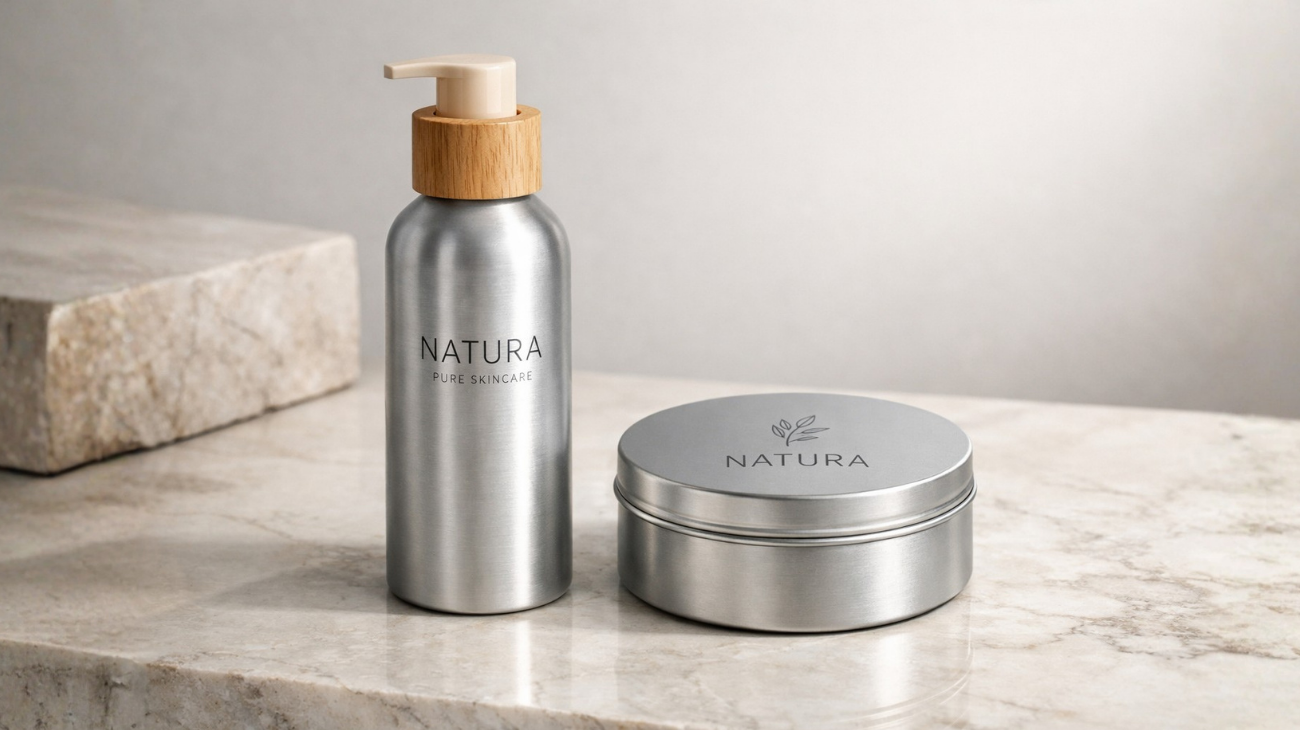
Aluminum packaging can take many forms, though common examples include things like beverage cans, food trays, and pouches. It offers a wide range of preservative properties and is suitable for a number of different products and items.
You may also like