
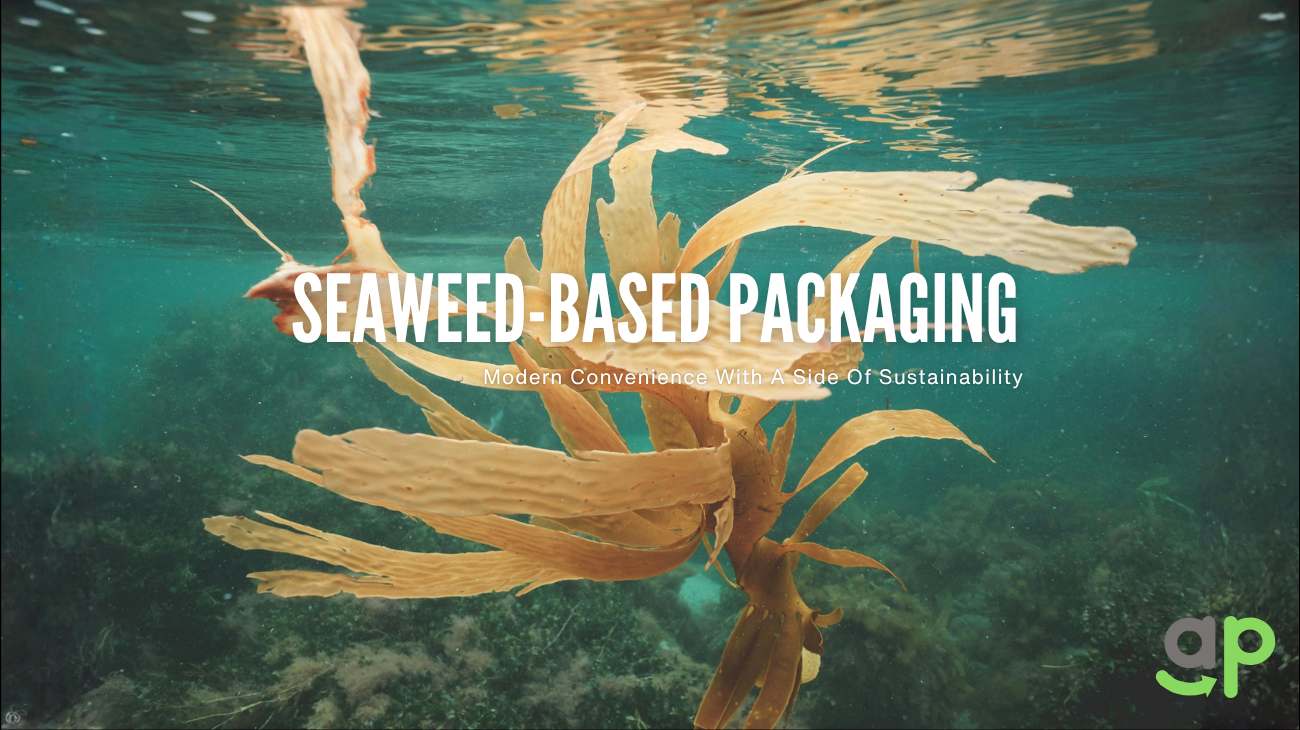
Seaweed-Based Packaging: Modern Convenience With A Side Of Sustainability
How often have you reached for a plastic water bottle out of convenience? Or perhaps eaten your meal on the go in a plastic takeout container?
We’ve all done it, right?
But thankfully, amid increasing consumer demand for green packaging solutions, the industry is introducing innovative technologies that could change the packaging industry for the next generations.
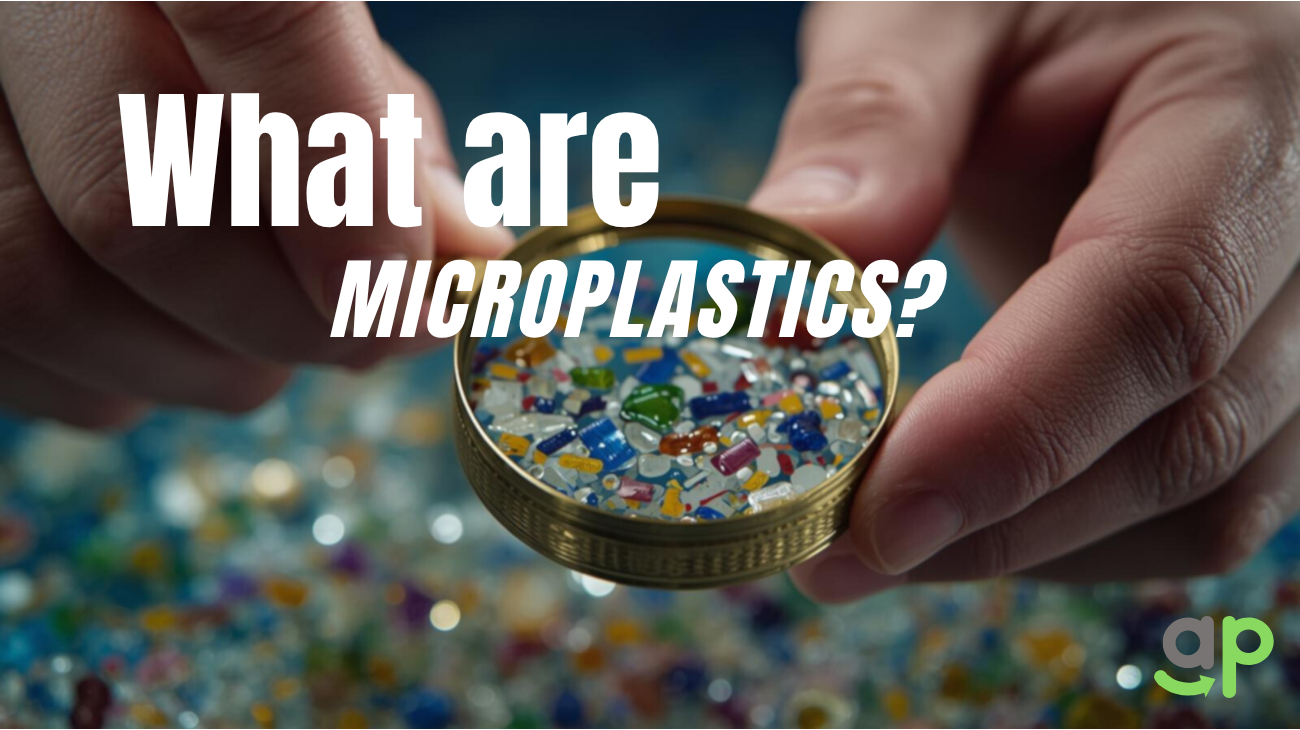
It’s no secret that the plastics industry has been booming for decades, as global consumer consumption has steadily increased. However, while convenient for consumers, single-use plastics and microplastics can also have disastrous consequences for the future of our planet and its diverse ecosystems.
For example, an estimated 8 million tons of plastic waste end up in our oceans each and every year. According to the EPA, once plastic debris is in the ocean, it can take from 100 to 1,000 years to fully decompose. And in the meantime, these plastics are fragmenting into microplastics, which not only endanger marine life, but also increase global carbon emissions, contaminate drinking water, and threaten public safety.
Seaweed: A Sustainable Solution
What if there were a natural source from the earth’s oceans that could revolutionize the packaging industry? A source that is not only biodegradable and nontoxic, but also contains naturally present antioxidant properties and has an excellent ability to form protective film coatings. A source that is readily available, yet can also be regenerated through innovative farming techniques.
The answer could be, quite literally, at our feet.
Anyone who has ever strolled on a beach, or enjoyed the view of an oceanfront setting, knows that seaweed is abundant, and can even be quite a nuisance to beachgoers. But seaweed is essential to the overall health and harmony of marine ecosystems – and is much more than just a vehicle to wrap up a tasty sushi roll. How can scientific innovation utilize this plentiful source from the ocean, while also serving up an eco-friendly packaging solution that cuts back on harmful single-use plastics?
Let’s dive deeper into the process of seaweed packaging development, all the way from shore to store.
Creating Green Packaging Solutions From A Simple Green Resource
Over the past several decades, waves of scientific research have been specifically devoted to developing innovative bioplastics that reduce plastic waste, are easier to recycle, and are much safer for humans, animals, and marine life. These bioplastics, also known as biopolymers, are created from renewable and biodegradable natural sources – like seaweed.
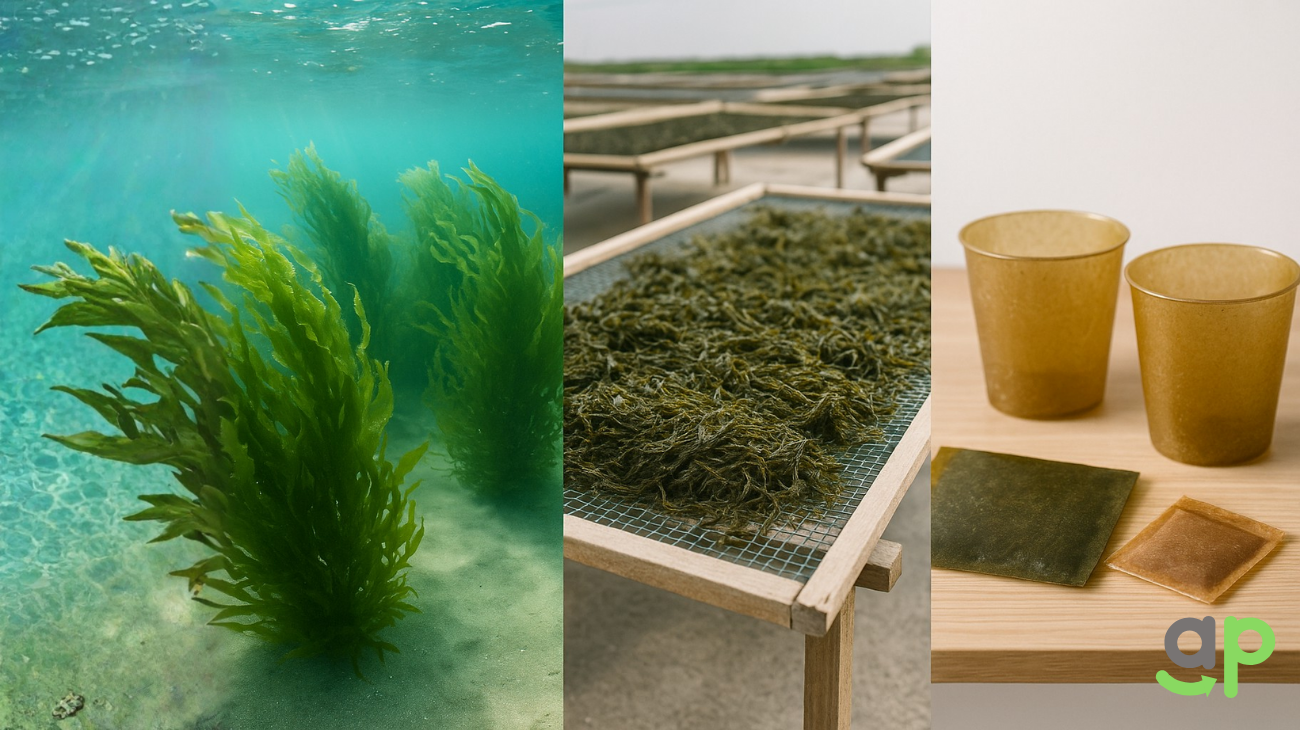
So, what makes seaweed such an excellent choice to drive forward eco-friendly packaging developments? This simple green resource contains a magical mixture of naturally occurring biological substances, including polysaccharides, proteins, minerals, unsaturated fatty acids, and polyphenols, as well as antimicrobial properties that are highly valuable for public health, shelf stability, and food safety. This opens up a plethora of possibilities in industries where packaging must meet stringent regulations for both safety and functionality, including food, cosmetics, pharmaceuticals, and agriculture.
That said, development of seaweed packaging is not without its challenges. As demand has grown, and future applications have been brought to light, there have been obstacles to widespread adoption of next-gen seaweed packaging innovations, including challenges with scalability, extraction, and processing constraints.
In addition to advancements made through research and development, the aquaculture industry is helping to solve some of these problems with the process of regenerative seaweed farming.
The Rise of Regenerative Seaweed Farming
One of the most exciting developments in the seaweed-based packaging industry is regenerative aquaculture, and specifically, regenerative seaweed farming.
Although there are over 12,000 species of seaweed that populate the Earth’s oceans, only 0.1% are used in commercial applications. Currently, Asian countries, such as China and Indonesia, are leading the cultivation of seaweed through aquaculture, while countries like France and Norway are developing their regenerative seaweed farming technologies at a much slower pace. In the United States, California, Maine, and Alaska are hotspots for regenerative seaweed farming and cultivation, due to their coastal locations and access to cold ocean waters.
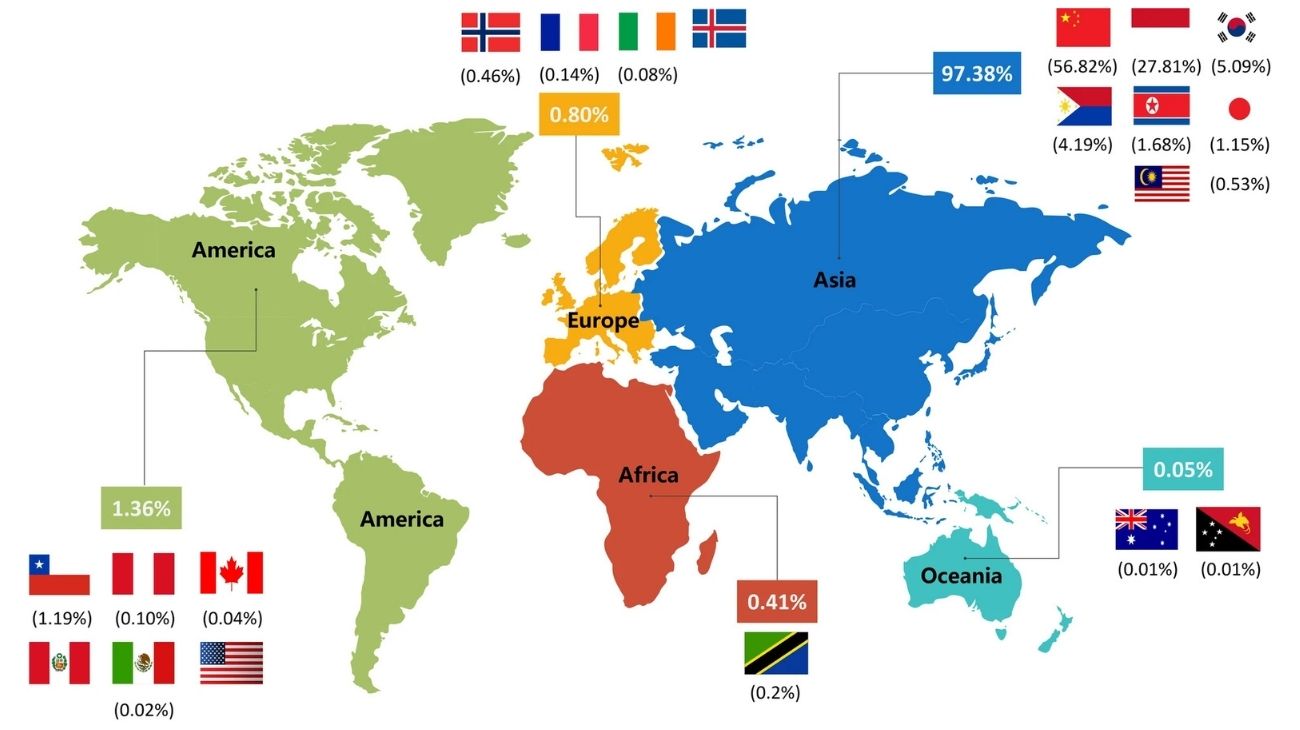
Source: Seaweed production in the year 2019 (FAO 2021)
The process of regenerative seaweed farming has many potential benefits as a sustainable seaweed cultivation solution. It doesn’t require harmful chemicals, pesticides, or fertilizers, and it doesn’t need extensive land area to yield successful results. Aquaculture also has a positive impact on climate change, as seaweed can absorb excess carbon dioxide in a process called carbon sequestration. And let’s not forget the possibilities for job creation and economic impact where seaweed farms are located.
Unlike wild seaweed harvesting, which is typically controlled to limit marine life disruption, regenerative seaweed harvesting offers a higher degree of scalability, and can actually help rebuild and restore healthy marine ecosystems.
Putting Innovation Into Practice
Below, we will have a look at some innovative companies who are currently experimenting with seaweed-based packaging.
Sway
Sway is “swaying the future” with a variety of seaweed-based products that promote a circular economy, led by a mission that involves using regenerative resources and materials that are responsibly and sustainably sourced.
Sway’s patented TPSeaFlex™ technology combines performance, flexibility, durability, and versatility into an innovative flexible film product that is compostable, moisture-resistant, and biodegradable. TPSeaFlex™ is biobased, made from primarily seaweed, plants, and eco-friendly polymers, and allows for a variety of uses across a wide range of industries. Sway has also developed sustainable seaweed-based packaging for shipping purposes and retail environments.
Notpla
Notpla is a UK-based company that is successfully living up to its pledge to make packaging disappear. Driven by their patented seaweed-based coating technology, Notpla has designed sustainable food packaging and takeout containers that effectively repel grease, fat, and moisture, and are completely free of plastics and toxic PFAs. This innovative seaweed-based packaging has proven to be a sustainable solution for the foodservice industry, including stadiums, arenas, schools, workplaces, restaurants, and food trucks.
Notpla’s Ooho technology, which was first showcased in the development of an edible water bubble, has also inspired the creation of seaweed-based edible packaging for energy gels, sauces, and oils.
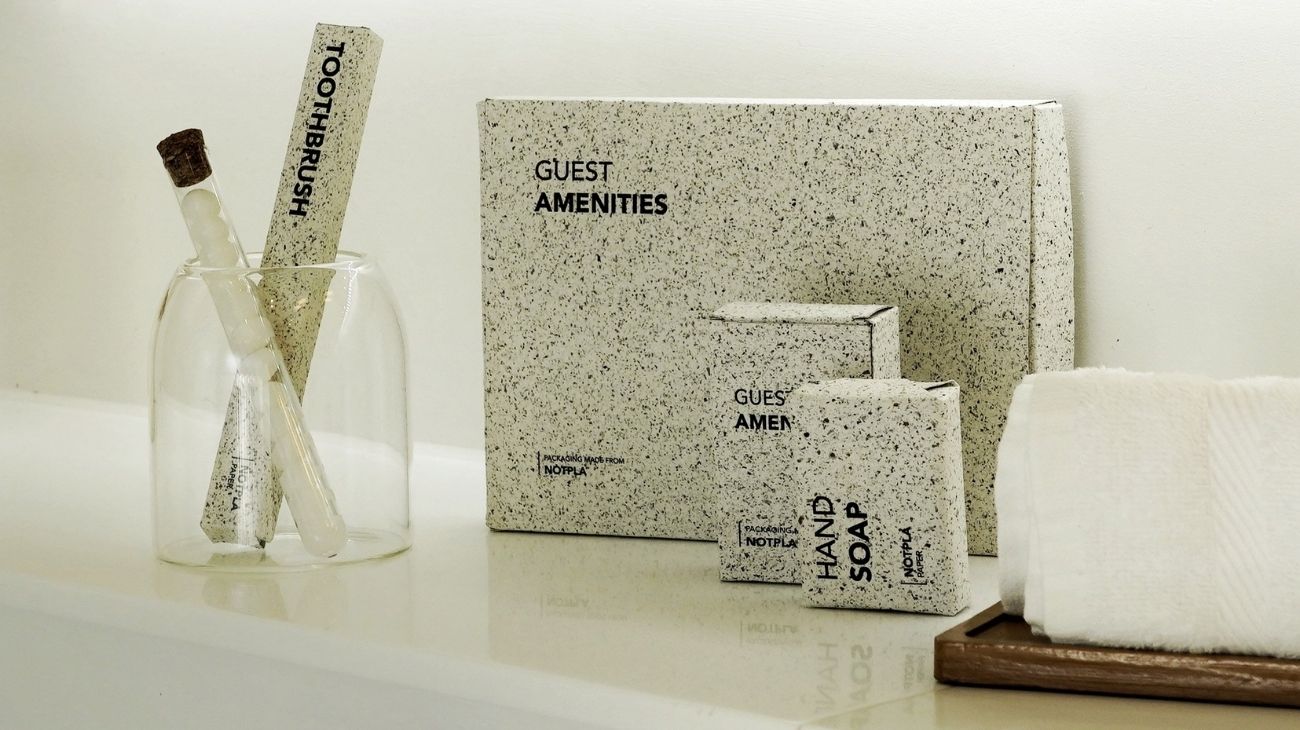
Source: Notpla salvages seaweed by-product to make paper
PlantSea
PlantSea, also based in the UK, has produced a seaweed-based packaging film that serves as a natural replacement for single-use packaging products that contain the harmful synthetic polymers PVOH and/or PVA. The PlantSea Capsule is a seaweed-based film that is fully dissolvable and flexible, providing an eco-friendly vessel for laundry detergent or dishwashing pods, cosmetics, personal care items, and many other commercial applications. PlantSea also utilizes the seaweed waste from its capsule production to create other unique and innovative seaweed-based products, including paper and labels.
What’s Next?
As we look to the future, we hope to see greater opportunities for mainstream adoption of seaweed packaging in everyday life. But for now, scientific research teams, seaweed farmers, and innovative companies with a focus on seaweed-based packaging are helping to build stronger, healthier, and more resilient communities.
And a brighter future for our planet.