
In today’s market where the consumer is becoming more and more aware of the details of their packaging materials, many people have their worries about BPA in tin cans. This is understandable, considering that packing in the modern world plays an important role in shaping the consumer’s experience as well as ensuring product integrity and contributing to environmentally friendly practices. For this reason, both suppliers and consumers put high importance in choosing the correct packaging material for their product. Ideally, a container is affordable, eye-catching, sustainable, and, most importantly, non-toxic and not harmful to one’s health.
When it comes to aluminum packaging, most of these boxes can be directly checked. Aluminum packaging such as tins and bottles have an appealing appearance which makes them stand out from the crowd. On top of that, they are relatively cheap compared to other packaging materials and, very importantly, they are one of the most environmentally friendly packaging options available due to their high recycling rate. But what about health issues concerning aluminum packaging? Aluminum on itself is a food-safe and non-toxic metal, yet still some people have their concerns. These doubts and concerns are mainly focussed on one issue: The presence of BPA in tin cans.
So, what is this BPA that everyone is talking about and what about the presence of BPA in tin cans? Throughout this article, we will have a closer look at what BPA really is and whether or not one has to worry about it while purchasing aluminum packaging.
What is BPA?
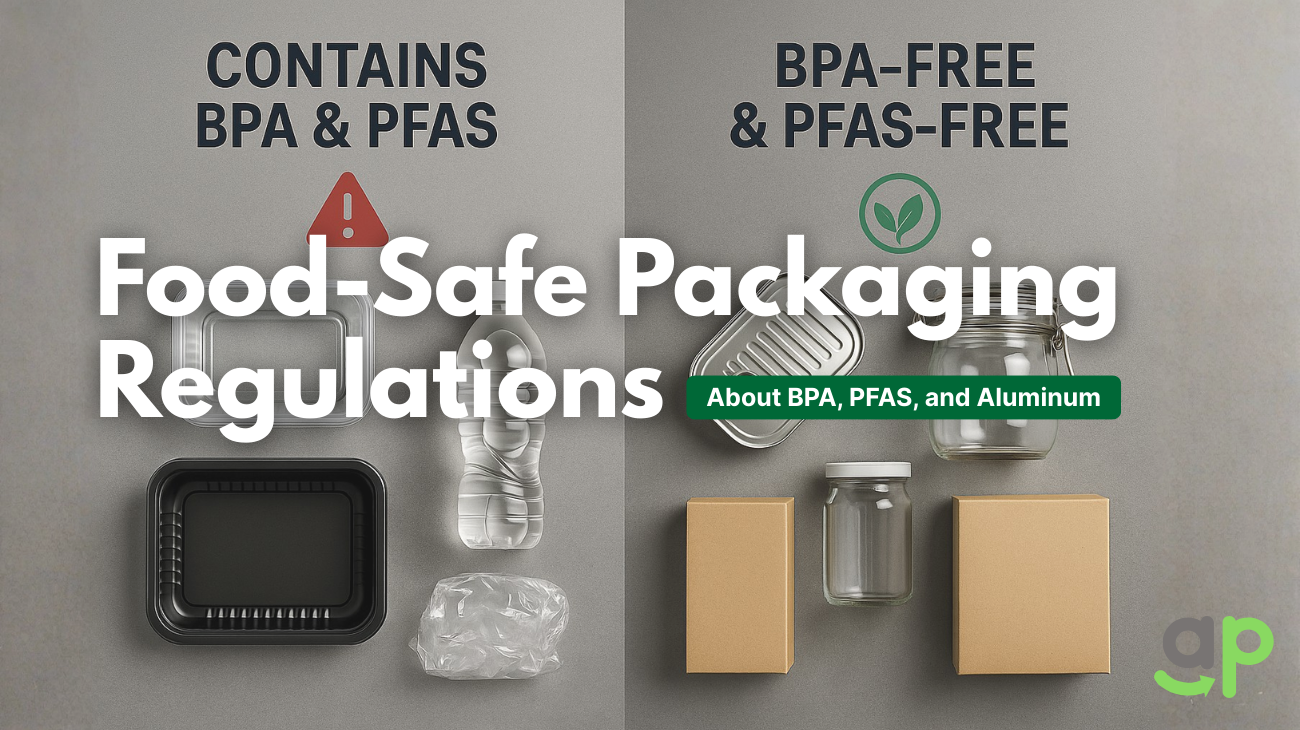
Before delving into the details of BPA and the possible health concerns it brings along, it is important to understand what BPA really is. BPA, short for Bisphenol A, is a chemical compound that is widely used in the manufacturing of certain plastics. Many types of plastics contain BPA and these materials are also used in the packaging industry. Think for instance about food and beverage containers, water bottles, and even baby drinking bottles. The main benefit this chemical brings along is that it makes plastic stronger and more resilient. Due to the nature of this chemical, it is mostly used for two different purposes. First, it is used in the production of solid plastics and second, it is used in the manufacturing of epoxy resins.
Now you might wonder, what does this chemical present in plastics have to do with tin cans and aluminum packaging and why would there be any BPA in tin cans? Naturally, aluminum tins and bottles do not contain any plastic by nature, however, it is the coating where the problems arise. Many traditional tin cans and aluminum containers have used an epoxy resin for their internal coating. This because these strong coatings prevent the products stored inside to get into direct contact with the metal container, thus preventing the leaching of heavy metals. The coating furthermore prevents tin containers from corroding over time. As such, it was thought, these BPA coatings enhance the packaging material’s durability and protective qualities. This is why epoxy coatings have been widely used throughout the past on the insides of metal packaging. This was never an issue before, until people started to realize that, just as with any other thing, BPA also has some problems. Several recent scientific studies have raised concerns over the effects BPA may have on our health when consumed in too large quantities.
Health Effects Of BPA
According to numerous scientific studies, foods and drinks can become contaminated with BPA when they are stored in containers that contain Bisphenol A. This is not only the case with plastic containers, but also with any other type of container that has an epoxy coating. Especially when this type of containers are heated, encounter acidic situations, or are broken, BPA is likely to leach into the product stored inside.
Consuming BPA on daily basis poses a significant threat to a person’s health in such an extend that it may cause discomfort or even sickness. A major concern about BPA is that it has the ability to mimic and interfere with natural hormones in the human body, such as estrogen. Because BPA is an endocrine disruptor, it can disrupt the normal functioning of a person’s hormones. This can lead to numerous health issues. When you are exposed to BPA, there is a higher chance of experiencing reproductive abnormalities, developmental complications, and specific diseases caused by hormonal mimicry. It is furthermore proven that BPA can also cause mental issues, such as ADHD as well as cardiovascular problems like heart disease and high blood pressure.
Due to the above mentioned health risks, there are countries that have prohibited the use of BPA in packaging materials used for foods and beverages. Additionally, there is a general increase for the demand of BPA-free packaging among the public, as more and more consumers are becoming aware of the possible health risks that being exposed to this chemical brings along.
BPA In Tin Cans
When it comes to metal packaging such as aluminum bottles and tin cans, BPA can be present in the form of an epoxy resin. This is especially the case for food and beverage packaging. The main reason for using BPA in tin cans is to create a protective barrier between the metal and the goods stored inside of the can. This barrier prevents the goods from getting into direct contact with the metal, ensuring that no heavy metals will leach inside. On top of that, it also prevents the tin containers from corrosion and it ensures that the metal container won’t affect the taste and quality of the beverage or food.
Just as in other industries, the presence of BPA in tin cans has sparked concerns as it can leach into the packaged food or beverage. As mentioned above, this may cause health-related issues. This raised concern among consumers about the presence of BPA in tin cans has led the industry to search for alternatives. Nowadays, you see a rising demand for BPA-free metal packaging, which has forced the industry to adapt. As a result, manufacturers of metal tins and bottles are exploring and adopting alternative tin cans and BPA-free coatings that offer the same benefits of the original coating but without the associated health risks. This has led to a shift in the metal packaging landscape in which it’s switching towards a greener and healthier future. In today’s world, more and more aluminum packaging suppliers are solely producing BPA-free aluminum tins and bottles.

How To Tell If Tin Cans Are BPA Free?
That the presence of BPA in tin cans can be harmful to one’s health we all know by now. But how can you, as a consumer, know which containers contain BPA and which are BPA-free?
A very straight forward and honest answer to this questions is that you can’t. Unfortunately, there is no way to see the difference between tins that do and do not contain BPA, unless the seller of the product indicates this on the packaging label. Many companies who put importance on using BPA-free packaging mention this aspect of their product on their labels by including the words ‘’BPA-FREE’’. For this reason, the first step you can take when seeing metal or plastic packaging is to thoroughly examine the packaging’s labels for any explicit indications of the product being BPA-free. Additionally, and this is especially the case for plastic packaging, you can check the recycling codes of the packaging as certain types of plastic are more likely to contain BPA compared to others. If this still does not make you any wiser, then the last option you have is to contact the supplier directly, asking them for further information about the packaging material, the coating used, and the presence of BPA in their tin cans. Luckily, as the awareness of potential health risks associated with BPA in tin cans grows, more and more companies are switching towards BPA-free alternatives. In some cases, entire countries or international organizations such as the EU are banning the use of BPA all together in certain industries. This gives consumers more security and will hopefully lead towards a healthier future in which we no longer have to worry about the use of BPA, or any other type of chemicals, in our packaging materials.
You may also like