
Study Finds: Aluminum Beverage Packaging Most Environmentally Friendly
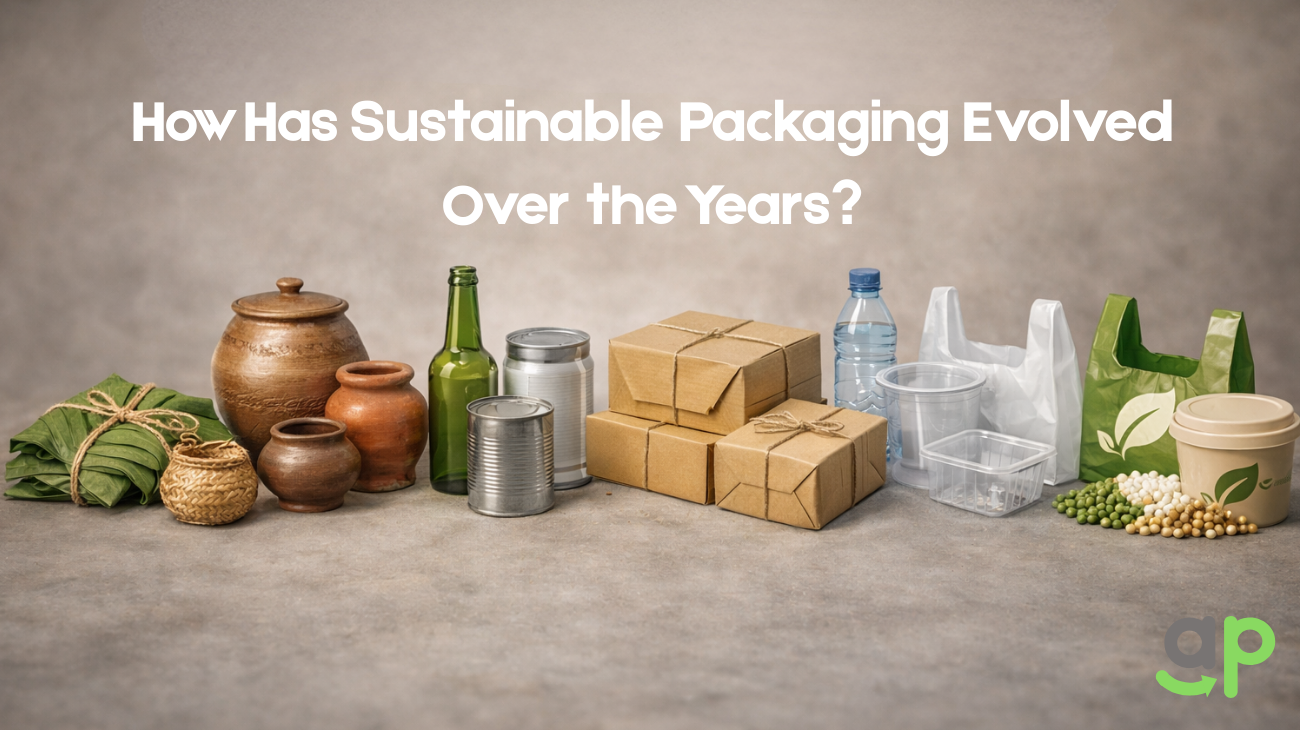
Beverage containers have been around almost since the beginning of time. Ever since humans walked the earth, we have been searching for a container in which to store our drinks. Which started off with simple containers made of animal skin, stone, and clay slowly turned into more complex and convenient beverage containers like we see today.

Since the beginning of the last century, plastic has slowly become the go-to material for producing the vast majority of everyday products, including bottles and other drinking containers. Plastic bottles are cheap and easy to produce, making them a perfect single-use container for beverages. As a result, plastics have become a fundamental feature of our everyday life. According to a report of the UK Environmental Audit Committee, in the UK alone 13 billion plastic bottles are used every year, only 7.5 billion of which are recycled. As one can imagine, this has a major impact on our environment. As our knowledge, and with it concerns, about the environment and our impact on it grew, however, the beverage industry slowly started to look for a more sustainable alternative.
Several sustainable alternatives have been around for ages. In fact, some of which have been available far before modern plastic bottles are. Think for instance about glass. Glass bottles are an environmentally friendly beverage container and used to be our go-to option in the beverage industry. That being said, glass brings along several downsides when compared to plastic. Glass bottles are much more expensive to produce, they break easily, and they are furthermore much heavier. The latter is not only inconvenient for the user, but it actually also causes the transport of heavy glass products to cause more emissions compared to lighter materials. Instead of moving backwards, the beverage industry was looking for a way to move forward. A way that offered an alternative beverage packaging. One that is cheap, lightweight, and environmentally friendly. This was found halfway through the 20th century with the introduction of aluminum beverage packaging.

The Rise of Aluminum Beverage Packaging and Its Advantages
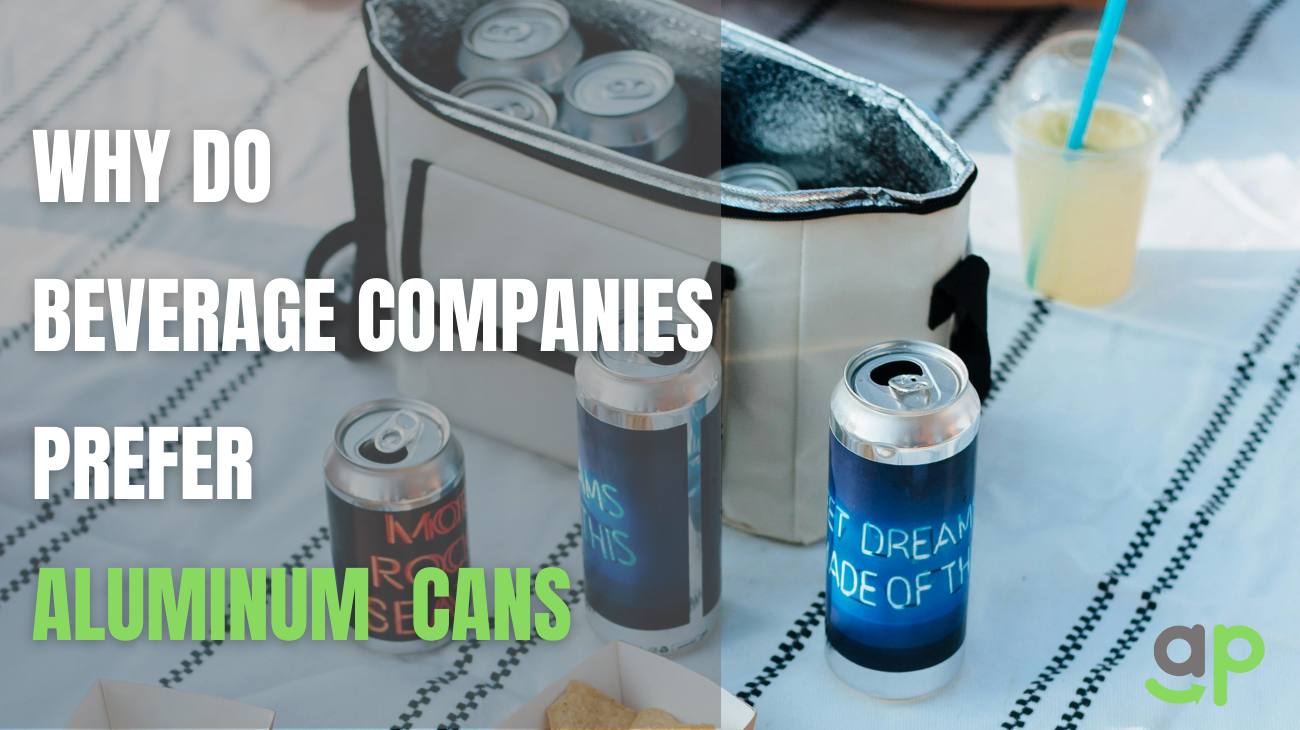
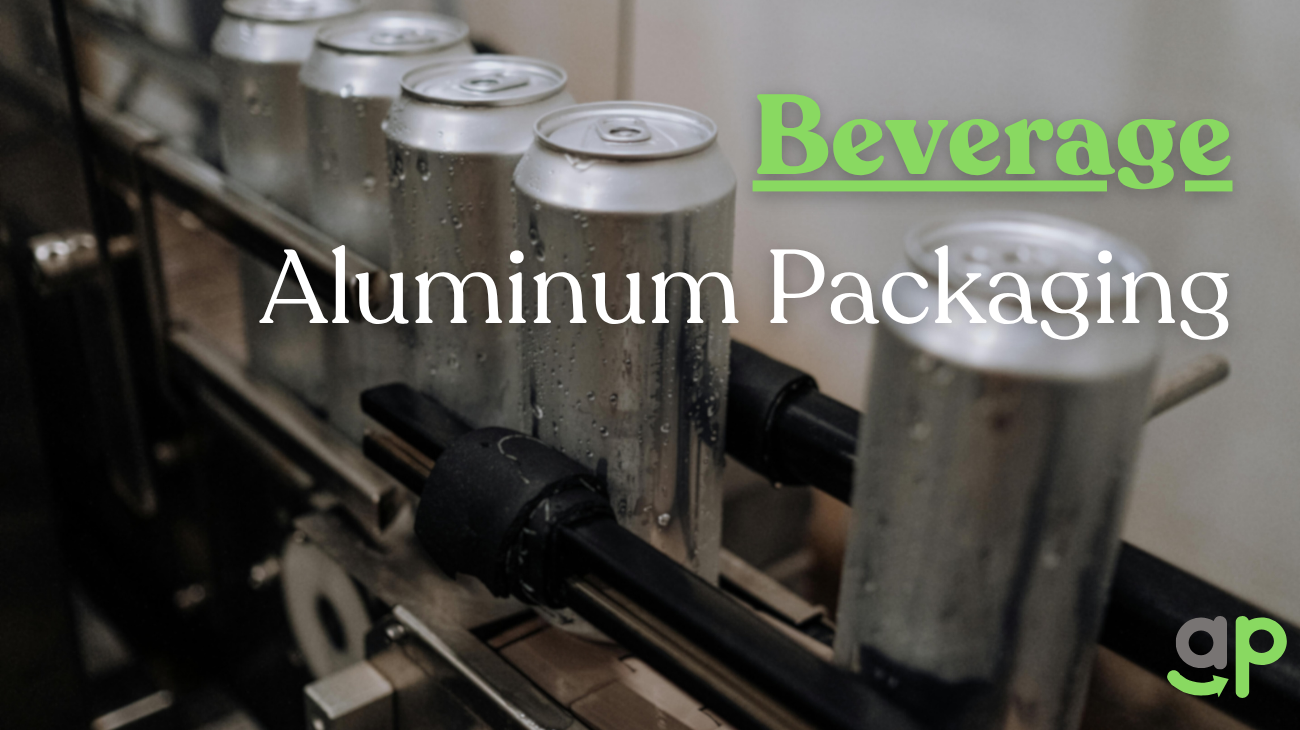
The year was 1959 when the Coors Brewing Company was the first to introduce the environmentally friendly aluminum beverage can. This revolutionary invention changed the global industry and with it its standards for beverage packaging. Since then, aluminum beverage packaging has become increasingly popular. Whether it’s craft beers, canned wine, soft drinks, energy drinks, or sparkling water – the opportunities for aluminum beverage cans are endless.
Aluminum nowadays is fully incorporated in the packaging industry. It is not only used for storing beverages, but for a wide range of other products including cosmetics, foods, medicine, and a whole lot more. The reason why aluminum packaging has become a go-to for many companies lies in the advantages of aluminum packaging for producers, consumers, and the environment.
For producers, aluminum packaging is easy and cheap to produce. Aluminum is the most common metal found on Earth, guaranteeing stable and low material costs. The material is furthermore extremely sturdy. Unlike glass, aluminum packaging does not tear or break. This significantly reduces the risk of damage, leaks, and contamination of the product. Aluminum packaging can furthermore be fully customized for branding purposes and the metal appearance of the packaging gives the product a high-end appearance. Thanks to its lightweight, aluminum packaging is furthermore easy, cheap, and clean to transport.
For the consumer, aluminum beverage packaging also brings along a range of benefits. It provides versatility in design and functionality, which caters to diverse consumer needs. Aluminum containers are furthermore light in weight yet extremely durable and they are easy to use. Because aluminum is a food-safe material by nature, it won’t affect the taste or smell of the beverage stored inside. On top of that, aluminum offers a perfect and impenetrable barrier which protects the beverage from the outside environment – keeping the product fresh at all times. Aluminum beverage packaging is furthermore affordable and, important to many consumers, fully recyclable – further adding to its popularity among the masses.
Aluminum packaging does not only offer functional and economic benefits to producers and consumers. Perhaps one of the most important benefits of aluminum beverage packaging is its impact, or lack of impact, on the environment. The introduction of aluminum packaging might be the best thing that has happened to the beverage packaging industry. Aluminum cans are infinitely recyclable, which means they can be recycled without losing their inherent qualities. As a result, aluminum packaging does not contribute to our mounting global waste problem. In today’s packaging industry, the vast majority of aluminum containers are made of at least partially recycled aluminum. Aluminum is furthermore a common metal that is non-toxic and it does not break down over time such as plastics. As a result, it does not harm the environment in any way even when it’s not recycled. These characteristics make aluminum packaging truly sustainable and environmentally friendly.
Aluminum Beverage Packaging Least Impact Full On Environment
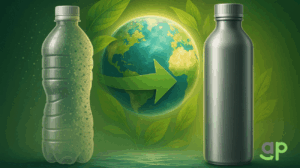
According to a recent study conducted at the University of Southampton focussing on the life-cycle assessment of beverage packaging, aluminum packaging causes the least environmental impact compared to beverage containers made of other materials such as glass and plastic. The research findings show that aluminum beverage containers offer the most sustainable and environmentally friendly packaging solution for carbonated beverages based on life cycle assessment. The study did not only focus on the environmental aspects of the packaging, but also its costs, overall benefits, advantages and disadvantages compared to other packaging materials.
The study focussed on 5 different types of beverage packaging. Each packaging material was studied to see its impact on the environment in general as well as its contribution to climate change and overall waste production. The study shows that containers made of 100% aluminum are the least impactful option, followed by containers that made of a mixture between aluminum and a different material. Even the latter turned out to be less impactful on the environment compared to glass or plastic.
Surprisingly the study shows that not plastic but glass bottles that are not recycled are the least environmentally friendly. Glass packaging requires the extraction of materials like silica sand and dolomite and it furthermore has a resource-intensive and polluting manufacturing process which releases carbon dioxide. The study found that the contribution of glass bottles to global warming is a whopping 95% higher than that of aluminum beverage packaging.
In today’s beverage industry, aluminum cans and bottles remain the go-to packaging solution for companies that are looking for a sustainable and environmentally friendly container. Luckily for producers, aluminum beverage packaging is also a favorite among clients, who not only care about its environmental features but also its overall properties, usability, and sleek appearance.
You may also like