
If you’ve ever purchased a beverage from the grocery store, or anywhere else for that matter, chances are it was packaged in either a bottle, or a can.
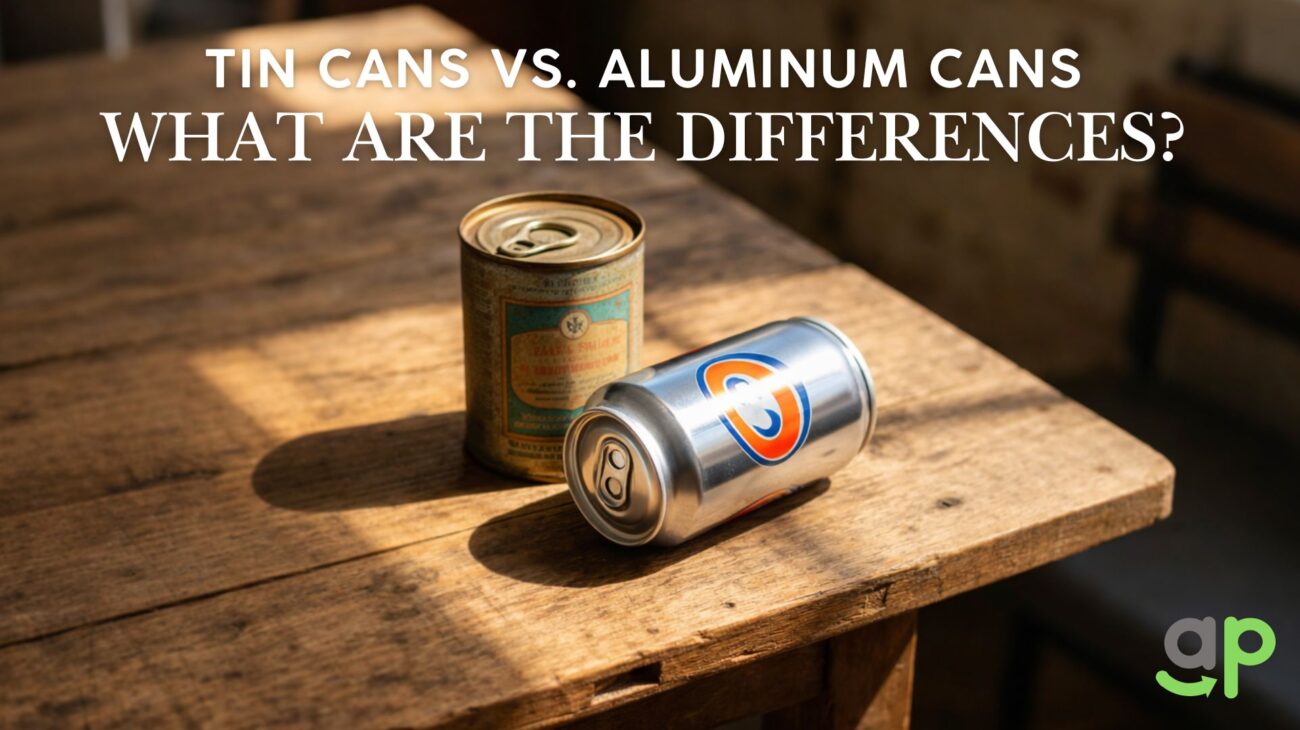
Now, when people refer to canned beverages, they’ll usually mention ‘tin cans’ almost as a blanket term used to describe multiple different metal cans at once. While food and beverage cans are fairly commonly made from tin, (as well as other metals, which we’ll get to later) you’ll typically find that aluminum is the packaging material of choice for most food and drinks manufacturers.
Despite the fact that both metals are used as packaging materials for certain foods and beverages, the two are very different to one another and offer various pros and cons.
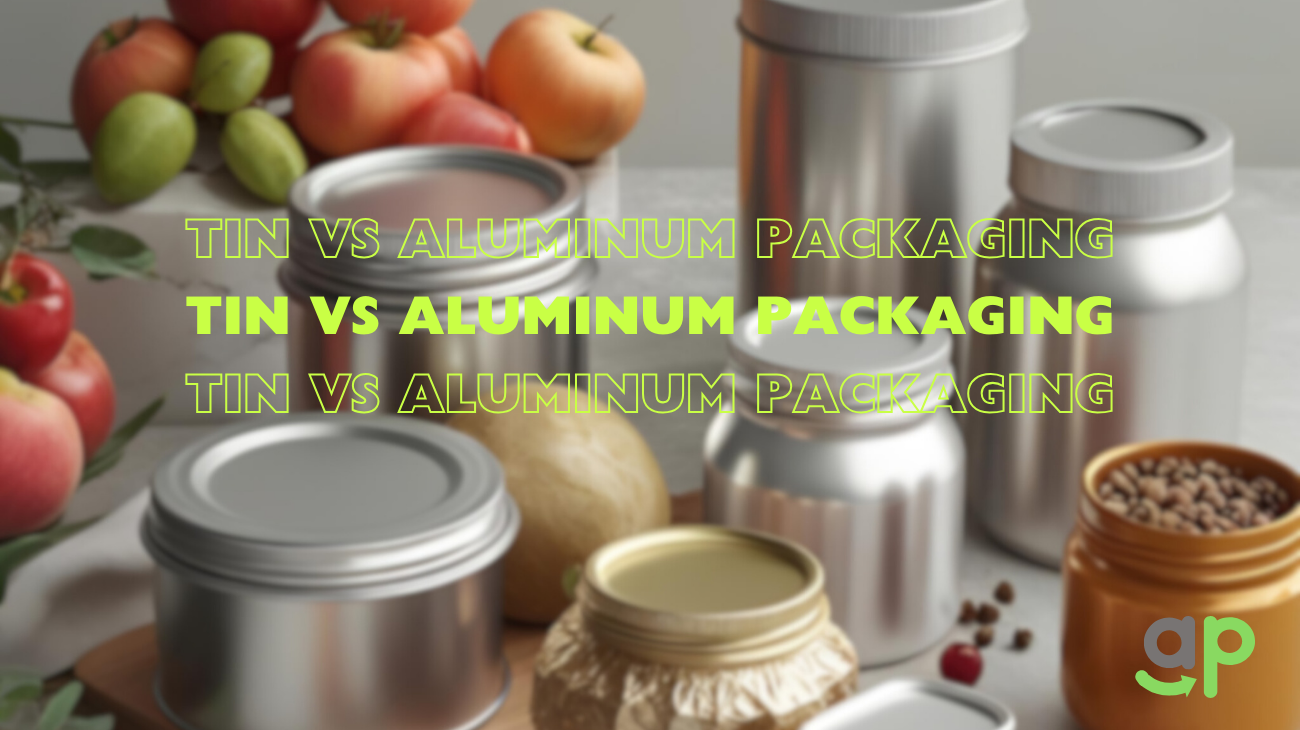
To help you understand some of the key differences between them, we’ll shortly be comparing the two. Here’s a look at aluminum vs tin cans and how they differ from one another.
What are Tin Cans?
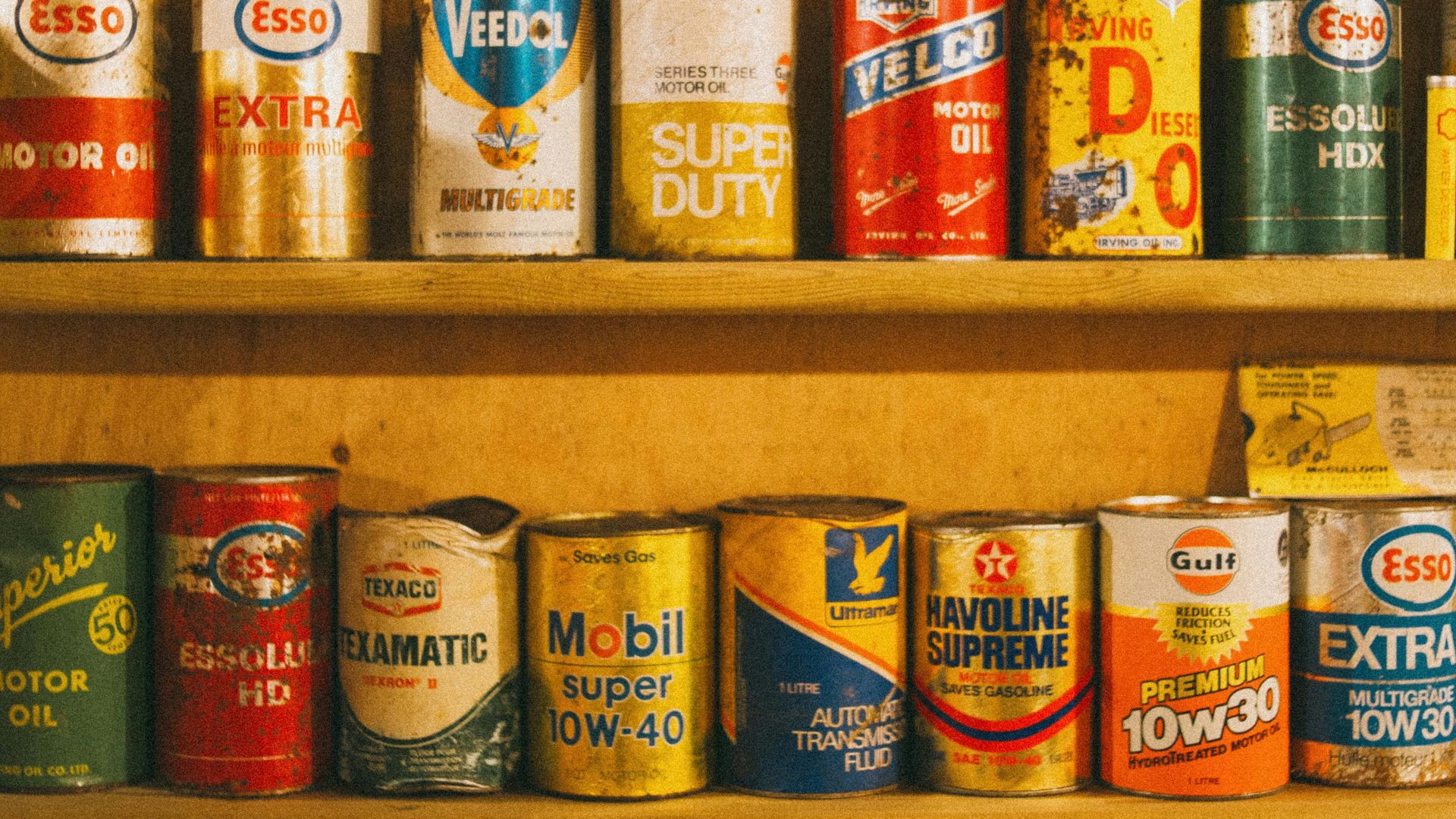
Despite being referred to as ‘tin’ cans, the primary metal found in modern-era tin cans used in the food and beverage industry is actually steel. These cans are made from steel and feature a very thin layer of tin. This is to help provide an additional protective layer against corrosion and make them slightly more durable.
Tin is metallic element that is durable, malleable, and easy to work with. This is one of the reasons why it was such a popular packaging choice for canned goods. It is also resistant to corrosion, making it ideal for storing more acidic and corrosive goods.
One of the main reasons why “tin” cans are primarily made from steel is because tin is far less abundant than aluminum. In fact, it is one of the rarest metallic elements on the planet. This is one of the primary reasons why tin cans are far less common than aluminum.
What are Aluminum Cans?
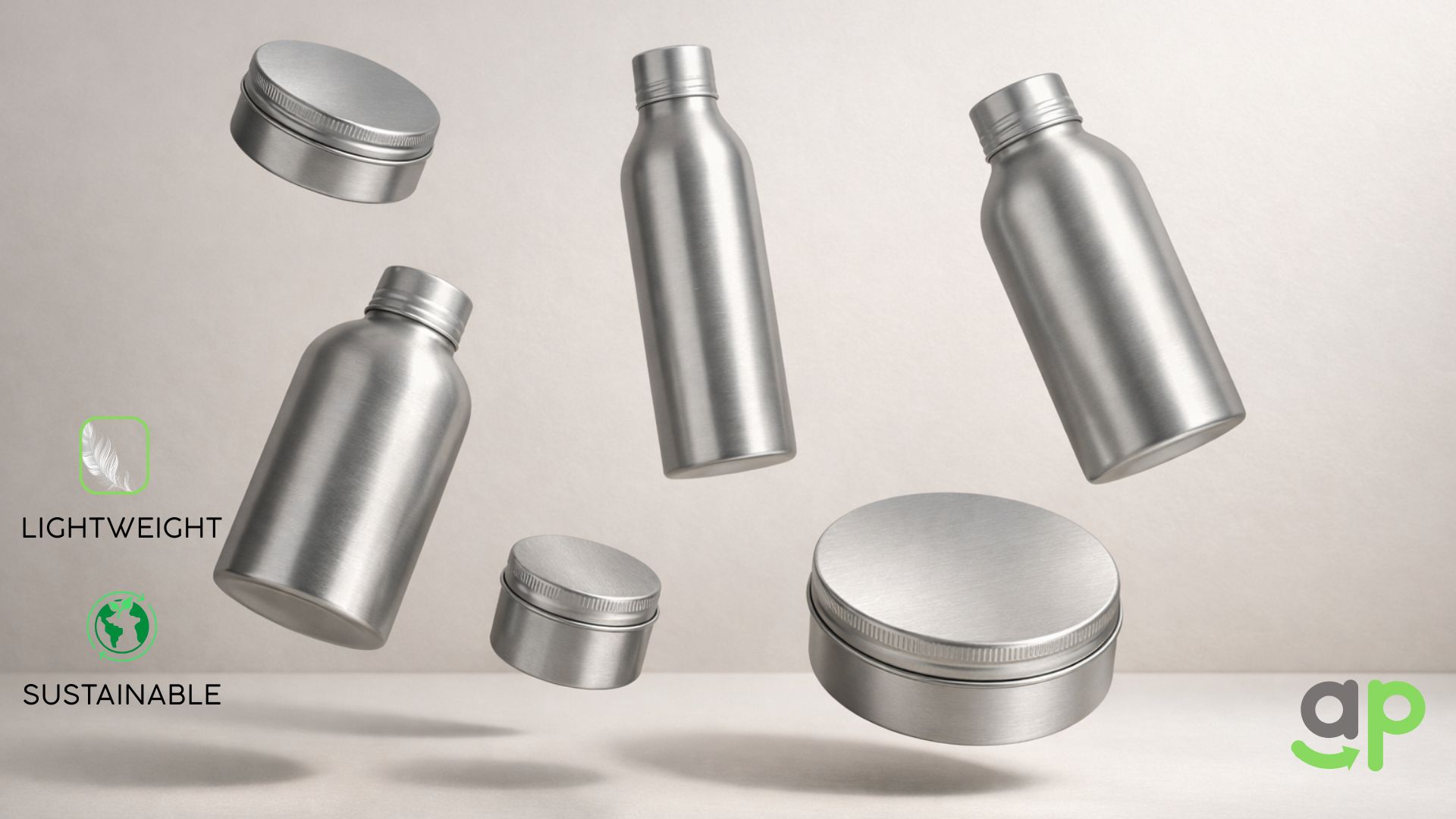
Aluminum cans are made primarily from aluminum. Unlike tin cans however, aluminum cans are made from 100% aluminum. Like tin, aluminum is another metallic element, though this one is far more abundant.
Aluminum is strong, durable, lightweight, and offers a plethora of protective properties. This is one of the main reasons why it is used primarily in industries like cosmetics, along with food and drink.
As well as being far more abundant, it is also much more environmentally friendly than tin cans, which is another reason why so many companies are choosing aluminum as their packaging material of choice.
Key Differences Between Tin and Aluminum Cans
Now that we know what tin cans and aluminum cans are, it’s time to look, in more detail, at some of the key differences between the two.
Weight
Tin cans are considerably heavier in weight than aluminum cans, which makes them more expensive to produce, transport, and purchase.
Usually made from steel, with a thin layer of tin, because of their weight, tin cans are considered far less sustainable than aluminum.
Strength and Durability
Another way in which aluminum cans differ from tin cans is the fact that they’re stronger and more durable. The fact that aluminum cans are stronger and more durable makes them ideal for storing perishable goods, as well as other products such as cosmetics.
Affordability
Both tin and aluminum cans also differ hugely in price from one another.
Because tin cans are much heavier than aluminum, they are therefore more expensive as it costs more to produce them, and transport them. On top of that, because tin is so rare, this also makes it far more expensive.
On the flip side, aluminum is much, much lighter in weight and is far more abundant. Because of this, aluminum is more affordable which is another reason why aluminum packaging is now so common across a wide range of different industries.
Sustainability
And finally, the last way in which aluminum cans differ from tin cans is down to their sustainability.
Tin cans are made from steel and feature a layer of tin. This makes the manufacturing process far more labor intensive and therefore requires more energy. They’re also much heavier, which means that carbon emissions are much higher during transportation. Recycling tin cans also requires more energy than recycling aluminum.
Now, when you look at aluminum, it’s easy to understand why it’s considered to be such an environmentally friendly packaging material choice.
Aluminum is extremely light which means that less fuel and energy is required during both the manufacturing process, and during transportation. It is also natural compared with other materials such as plastic, and is infinitely recyclable. Aluminum cans that have been recycled one thousand times are just as strong and durable as virgin aluminum cans produced brand-new.