
It wasn’t all that long ago that when it came to packaging materials, your choices were: plastic, plastic, and more plastics! Fortunately, things today are much different.
Most plastics are designed to be used once and then discarded into the trash. Even those which can be recycled, can only be recycled a small number of times before they’re no longer fit for purpose. And do you know what happens when recycled plastic packaging can no longer be recycled? It goes into the garbage and makes its way to landfill.
The reason why this is such a huge issue is the fact that plastic poses a number of risks, both to the environment, and to our health. Because of this, sustainable packaging is no longer deemed an optional extra for businesses, it’s now considered a necessity.
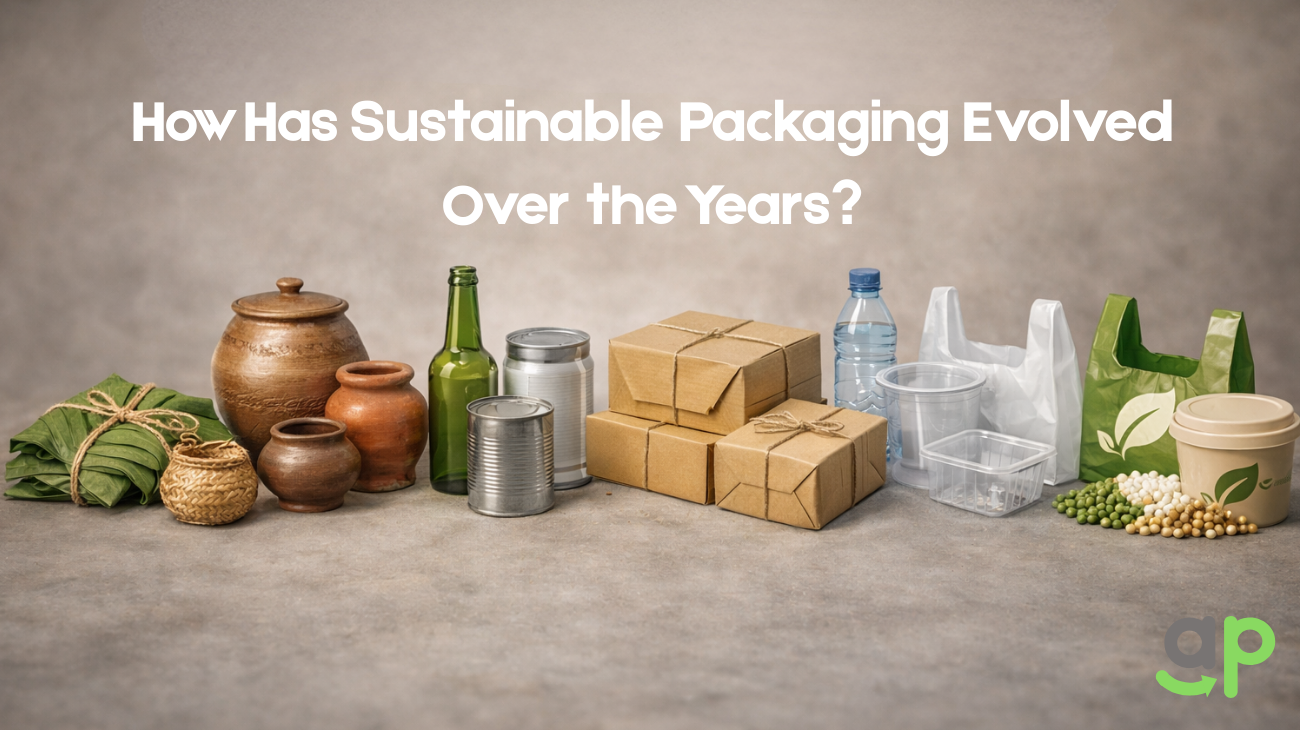
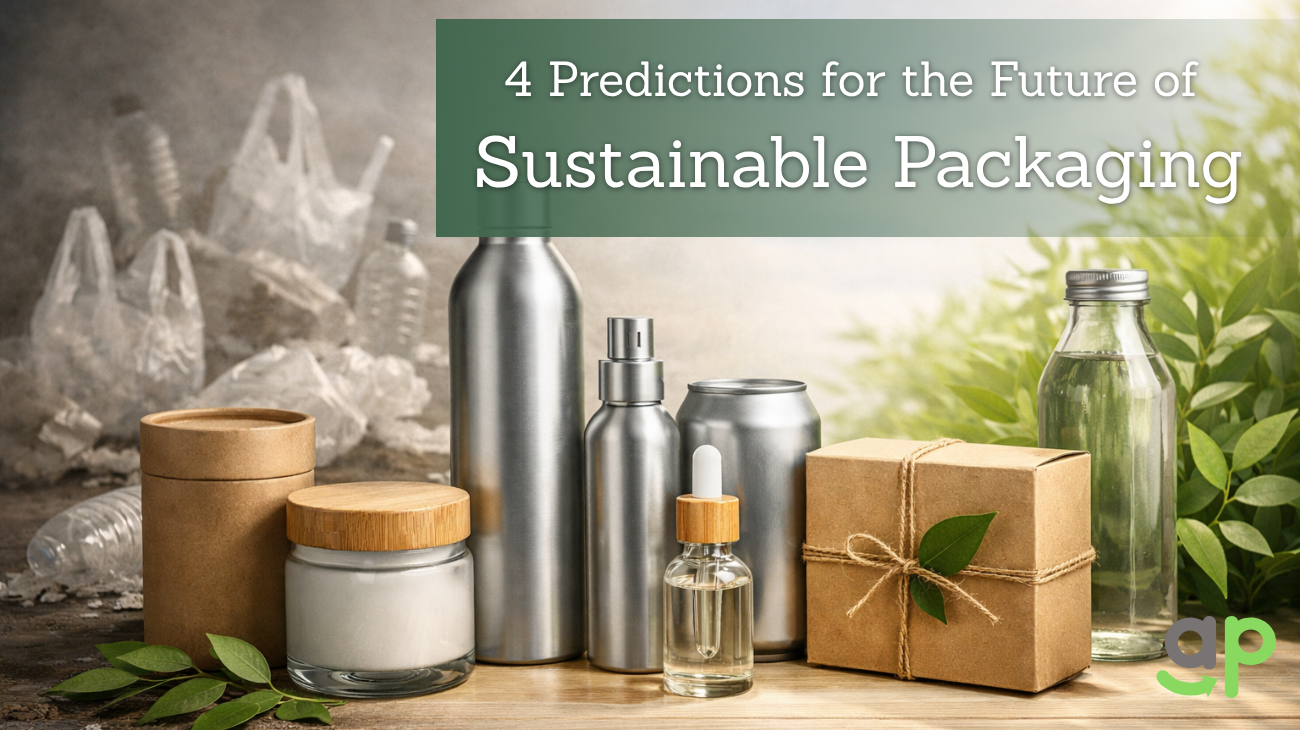
Whereas sustainable packaging used to mean recycled plastic and the occasional cardboard box if businesses really wanted to highlight their greener side, things today are much different. Today, the sustainable packaging industry is evolving faster than ever. Which begs the question ‘what next?’
Here are 4 predictions for the future of sustainable packaging.
Bans on Single Use Plastics
In the 21st century, there really is no excuse for single use plastics to be used in any capacity in the world of packaging. Fortunately, more and more countries are looking to not only cut back on single use plastics, but ban them entirely. It’s likely that we’ll see that trend continuing with the passing of each year.
Whereas recyclable plastic uses a large amount of energy during recycling, and can only be recycled a certain number of times, at least it can indeed be used more than once. Some plastics are unable to be recycled, which means that once they’re used, they go into the trash and either pollute landfills, the air if they’re incinerated, and harm a number of other ecosystems.
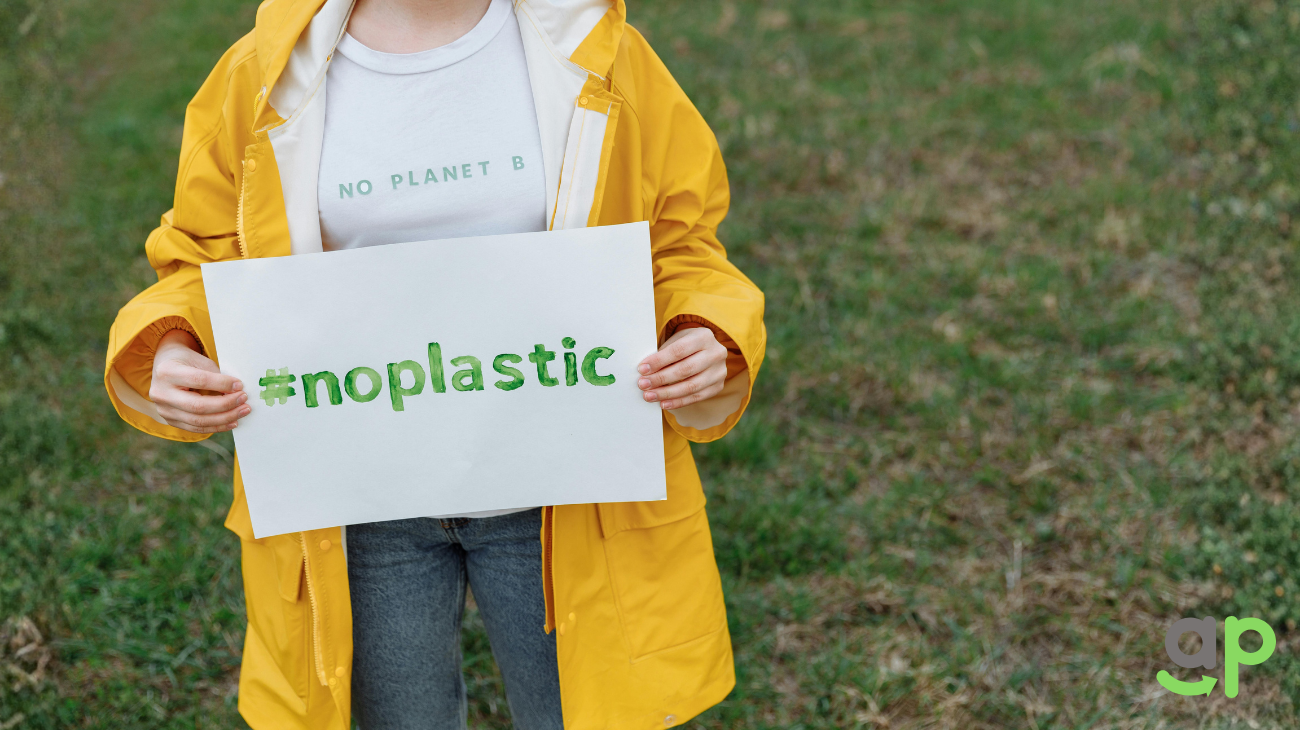
Because of this, it’s likely that more countries will ban them and packaging companies will begin phasing out single use plastics from their production lines and will instead adopt more sustainable materials.
Cost Will Become an Even Larger Factor
Unfortunately, with the current political landscape as it is, it’s likely that an even greater emphasis will be placed upon the potential profitability of sustainable packaging materials.
As great as some sustainable materials are on paper, producing them can be expensive, and they may present certain limitations. If they aren’t economically viable, it’s likely that governments and administrations around the world won’t fund them, or encourage consumers and businesses alike to utilize them. Basically, if they cost too much to make and don’t offer financial incentives, it’s likely that they won’t be funded.
On the other hand, if a sustainable packaging material proves to be profitable, and can be produced relatively cheaply and used over and over again, it’s likely more businesses will adopt it and more governments will approve it.

The AI Bubble will Burst
AI is now at the forefront of technological advancement. It’s very much the buzzword of the year for businesses and industries in all sectors, and that includes those that produce sustainable packaging.
Now, as great as AI is, it has its limitations and vulnerabilities, and people are slowly realizing this. It wasn’t too long ago, that AI was being touted as a tool perfectly designed to combat plastic pollution and other environmental issues. Experts claimed it would optimize supply chains, improve quality control, help businesses reduce their carbon footprints, automate sorting, and assist with the production of eco-friendly packaging. It was effectively portrayed as being the future of sustainability.
While AI does indeed offer certain environmental advantages, to claim it will be an environmental savior would be hugely hypocritical considering it requires such vast amounts of energy and has certain other environmental impacts which are often overlooked.
As more and more climate activists highlight the environmental impact of AI, don’t be surprised if more and more sustainable packaging brands begin distancing themselves from it in the near future.
Aluminum Will Continue to Grow in Popularity
Finally, when people talk about sustainable packaging, there’s a material that is always mentioned and that material is aluminum.
From a sustainable perspective, you couldn’t really ask for a better material. Not only is it lightweight and free of harmful chemicals and ingredients, it can also be recycled over and over again, and will not lose its integrity, unlike plastic. As if that wasn’t enough, it also uses far less energy during the recycling process and is deemed far safer for the environment.
Aluminum packaging is currently very popular amongst food and drinks companies, as well as cosmetics. In fact, for many decades now, beverages such as beer and soda have been packaged in aluminum cans. This is because the material offers a number of protective qualities and helps to preserve the liquid inside. The same principle applies to other foods, as well as other beauty and cosmetic products.
However, as aluminum packaging continues to advance and evolve, we expect to see it being adopted amongst a variety of other businesses in other sectors.
You may also like