
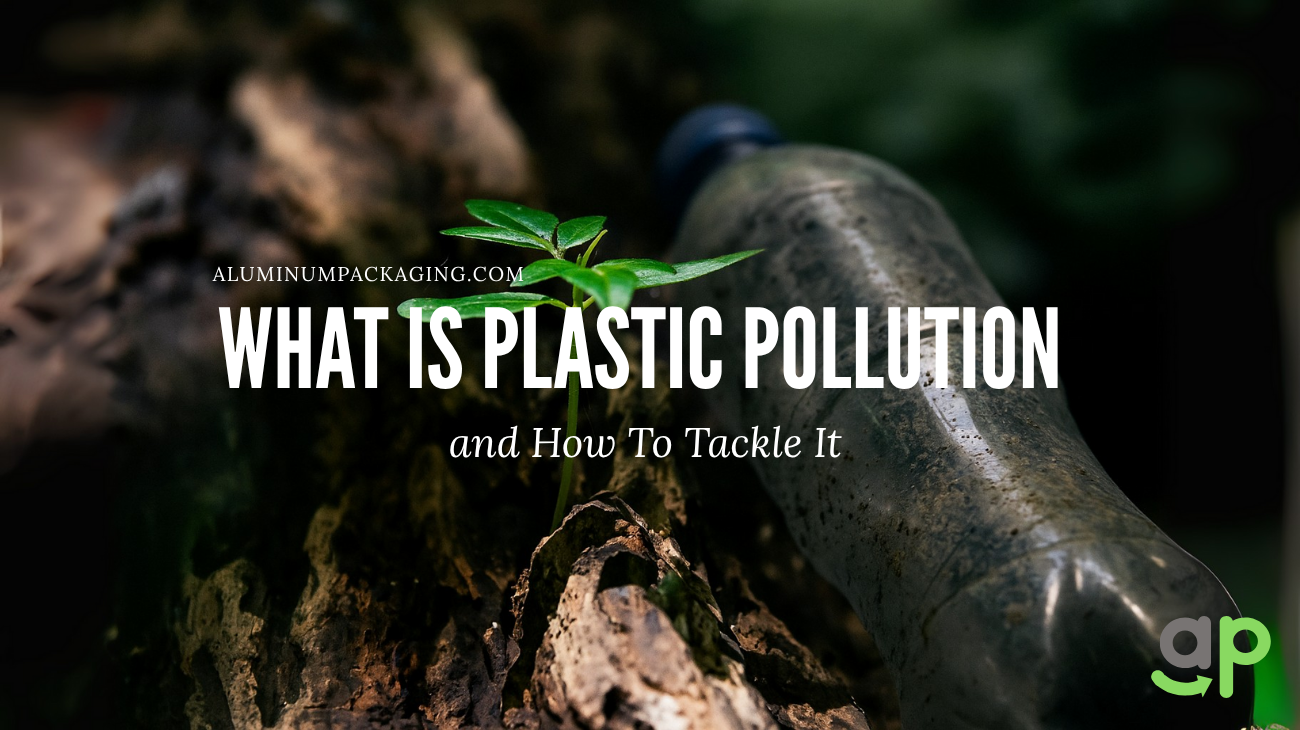
The industrialisation throughout the past hundreds of years has brought many benefits to humankind, including machinery, cameras, railway transport, and plastics. Especially the latter, plastic, has a major presence and impact on our everyday life, even today. Although plastics are extremely affordable and useful, they are also polluting and one of the main causes of the global waste problem that we are currently facing. The global plastic problem is a perfect example of how years of human exploitation and misuse of resources has resulted in devastating side effects.
Plastics were first invented in the early 1900s, but their popularity really took off during World War 2. Along with its increasing popularity came the start of what we now know as plastic waste pollution. Unfortunately, up until today, plastics have been popular ever since and the waste production associated with this material never came down. Nowadays, plastic can be found in early every industry and it’s hard to imagine a life without it.
Throughout the past decades, the severity of the global plastic waste problem has become increasingly clear and, today, it’s listed as a global issue. Plastic pollution does not only affect our environment, but also our heath and the economy. Throughout this article, we will have an in depth look at the origins of the plastic waste problem and why it is, still today, a major issue we are facing. Of course, we will also have a closer look at the possible solutions and steps that we can take to reduce our plastic waste production as much as possible.
What Is Plastic Waste?
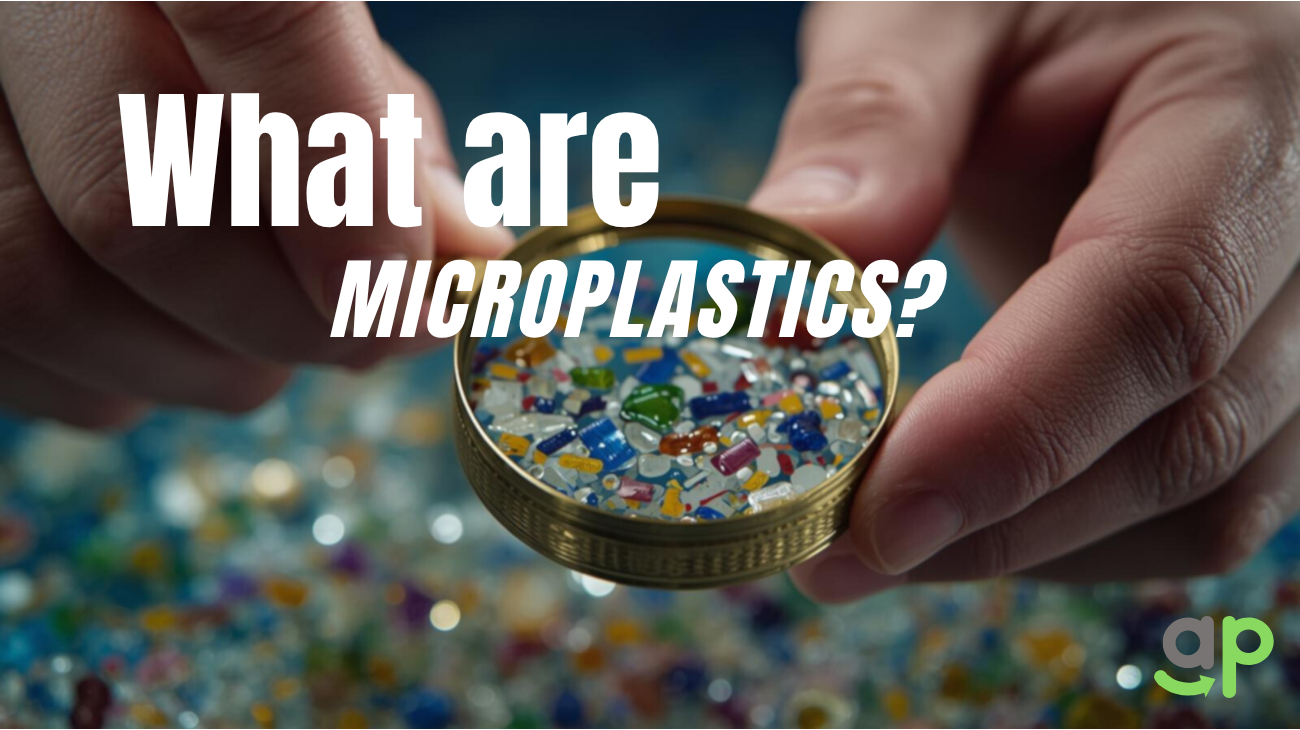
It feels like everybody is talking about the plastic waste problem nowadays but what is plastic waste exactly? Simply put, plastic waste refers to any type of discarded plastic product that has served its purpose. One of the most common examples would be an empty plastic water bottle, but really any plastic product that is discarded counts as plastic waste. Because plastics are so cheap and abundant, we often throw it away without giving it a second thought. The problem is, however, that plastic is a synthetic material that does not decompose. Unlike other natural materials, plastics do not break down and remain in our environment for hundreds of years. Even when it starts to finally break down, the plastic will never disappear from our earth. Instead, it will simply break down in smaller pieces called micro plastics. These micro plastics also pollute our environment and can even affect our health.
When Did Plastic Become a Problem?
Plastics are an extremely useful material, which is why it is no surprise it’s so widely used in almost every industry. So when did this miracle material suddenly turn into a global problem? The roots the plastic waste problem the way we know it today lays in our modern-day society. After World War 2, consumerism, mass-production, and urbanization have been on the rise. With a rising demand for new and affordable products, plastic become increasingly popular. As the popularity of plastics grew, so did its presence in our every-day life. This eventually led to overuse and overproduction, resulting in a society where people cannot live without it anymore. Because people often do not dispose of the plastics properly nor recycle it, the growing amount of plastic waste has slowly turned into a global plastic problem.
What Is The Global Plastic Waste Problem?
Plastics are a hardy and durable material which, thanks to their low price tag and easy of manufacturing, have become increasingly popular. Although plastics are extremely useful, the problem occurs after their purpose has ended and people no longer need the plastic product. Plastics are non-biodegradable and, although they can be recycled, plastic recycling is a rather complex and expensive process. As a result, a lot of plastic has simply been disposed off without recycling it, resulting in Billions of tons of plastic waste. Since the beginning of the 1950, when plastic production really took off, the global plastic waste production has exceeded over 8.3 Billion metric tons. To put this in perspective, this is the same weight as 800,000 Eifel Towers! Because plastics can take up to 1000 years to break down, all this plastic pollution will still be affecting our environment and health for ages to come. It is even more shocking to find out that, of all plastic waste produced during this same period of time, merely 10% was recycled.
Even though we are aware of the dangers of plastic pollution and its association with many problems, the scope of plastic production has shown no signs of slowing down. In fact, plastic production is, still today, rapidly increasing. As a result, more and more plastic waste will be created which will eventually end up in landfills or our oceans. It is estimated that every year the world produces over 380 million tons of plastic waste, half of which is created through the disposal of single-use plastic products.
As a result, the plastic waste problem we see today has grown out to become a global environmental challenge. It has reached alarming proportions and, as we speak, it is polluting not only our environment but it is also affecting our health. Plastic waste often ends up in landfills or, even worse, in the ocean. The main polluters are cheap single-use items such as plastic bags, food packaging, water bottles, and other type of single-use plastic containers. When these plastic products break down, they release chemical and toxic gasses into the water, air, and soil. This is a significant thread to both marine and terrestrial ecosystems and it will affect the health and livelihood of all humans and animals on this planet. This is why finding a solution to the plastic waste problem has become a priority on the agenda of many organizations and governments. Only by tackling the plastic waste problem and reducing our waste production significantly, we can sustain our environment, biodiversity, and human health.
How Does Plastic Waste Affect Our Life?
When it comes to plastic waste, it is no secret that this problem already has a major impact on our everyday life and that this impact will only grow larger in the future if no changes are made. Plastic waste does not only affect our environment, but also our oceans, and human health.
It goes without saying that plastic waste pollutes our environment. But the truth is that it goes much further than just creating waste. In fact, the most serious problems occur after plastics have been thrown away and start to break down. Plastics breakdown over time, a process during which toxic and chemical gasses are produced. These gasses affect our soil, air, and water supply. Although plastics break down, they do never fully decompose and this never fully disappear. Instead, they simply break down in tiny pieces of micro plastics. These micro plastics further pollute the environment. The presence of these micro plastics in our nature furthermore disrupts soil health. This has a direct influence on the health of our ecosystem as it affects vegetational growth. On top of that, micro plastics are known to enter our food production chain, after which they are consumed by both humans and animals. The consumption of micro plastics can lead to major health concerns.
Plastics that are disposed of usually end up in landfills or the ocean. You may think that plastics that end up in the ocean affect our health and environment to a lesser extent, but this is not true. Plastic ocean waste first of all forms a major thread to ocean life and the under water ecosystems that are in place. Marine life can get tangled in plastic waste, resulting in injury or death. The same results may occur when sea animals mistakenly confuse a small piece of plastic for food, and consume it. Plastics in the ocean also break down into micro plastics and often end up inside sea life. Although this might not result in instant death, it does affect their health. On top of that, humans like you and I who like to eat fish now face an increasing chance of consuming toxic micro plastics that are present inside of the fish’s body due to our own plastic waste pollution.
Some plastic waste is not disposed off in landfills or the ocean but, instead, it’s burned. You may think this is a great way to get rid of the plastic waste problem but the opposite is true. Burning plastic is a harmful activity to both nature and human health. It does not only release toxic chemicals into the air, but also greenhouse gasses. As a result, burning plastic waste contributes to global warming. Inhaling toxic plastic fumes is extremely dangerous and can result in long-lasting health issues.
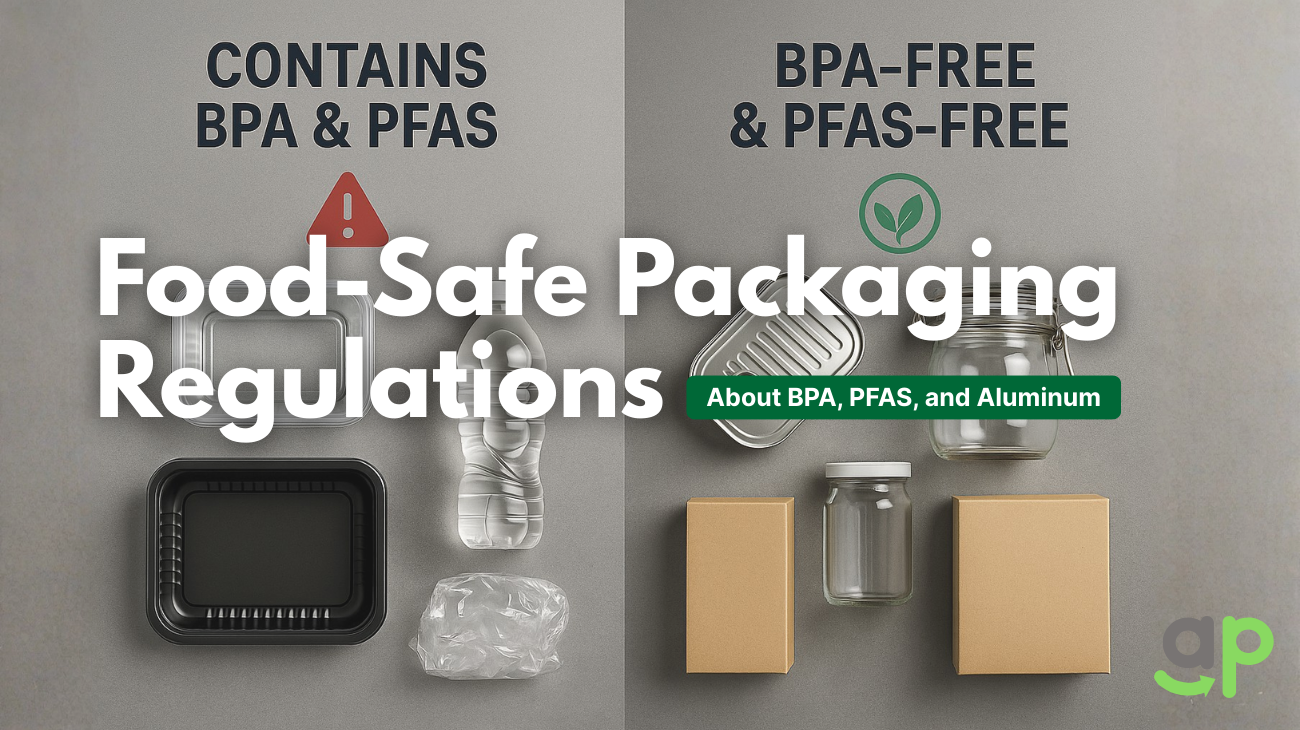
When speaking about health issues related to the use of plastic, these do not only occur through plastic waste. In fact, even the use of simple every-day plastic items such as water bottles and containers can have an impact on your health. This is because plastic is made of chemicals, some of which are found to be harmful, such as BPA. Now, I hear you wonder: What does BPA stand for? BPA is a chemical that is used in the production of certain type of plastics. Its main function is to make the plastic transparent and durable. The problem is that this chemical is toxic and, when consumed, is potentially linked to various diseases including brain damage, ADHD, and cancer. Because plastics break down overtime, it is possible for chemicals such as BPA to leach inside of the product stored in the plastic containers. This is especially the case when it is exposed to high heath or force. When BPA has leached into the food or beverage, it is unknowingly consumed by people. In the long-term, this can result in severe health effects.
How To Tackle Plastic Pollution?
The impact that plastic waste pollution has on our oceans, nature, forests, land ecosystems, and even human heath highlights the urgent need for change. Luckily, throughout the past decade, more and more companies and consumers alike have become aware of the dangers of plastic pollution. And, although the production of plastic does not yet seem to slow down, at least the general view towards the use of the material is changing.
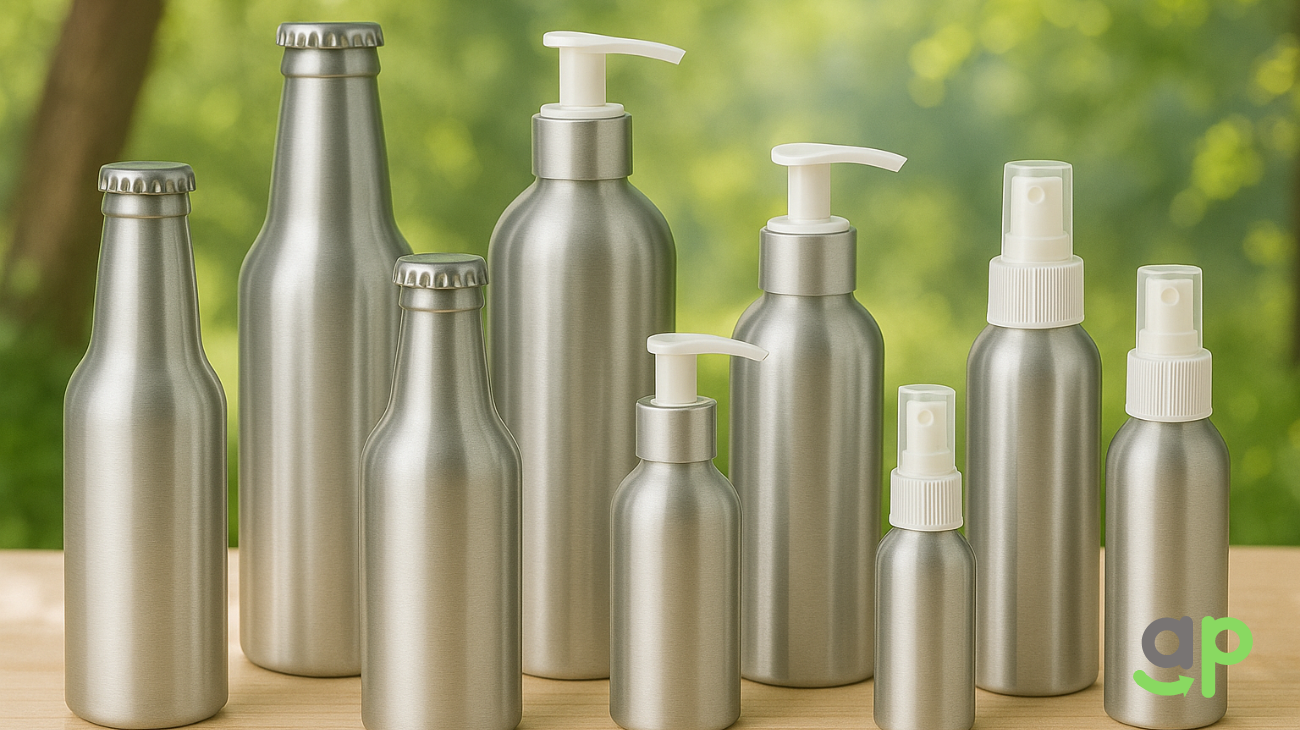
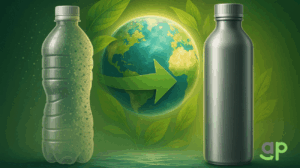
From a consumer perspective, there are some simple steps you can take to reduce your own plastic waste production. First of all, when you do use any plastic products, it’s important that you dispose of them correctly and make sure that they are being recycled. This way, you can make sure that your plastic waste does not contribute to the global waste problem. Another, even better, solution would be to reuse your single-use plastic containers. After all, there is no need to throw away the packaging after one single use. Water bottles, for example, can be refilled and reused numerous times. Finally, there is the option to search for alternatives and to avoid the use of single-use plastics altogether. One of the biggest plastic polluters are single-use plastic packaging materials. Luckily, there are many other alternatives available that are much more environmentally friendly. Think for instance about glass or the benefits of aluminum packaging. In order to reduce your plastic pollution, you can try to purchase products that are not packed inside plastic but use an environmentally friendly wrapping instead.
For companies, there also are several steps they can undertake to reduce plastic waste production. These changes will also mainly focus on packaging materials and exploring recyclable and sustainable alternatives. We urge companies to look into more sustainable packaging materials that are easily recyclable or even reusable. Again, glass and aluminum would be the most suitable and easy to access alternatives available. Switching away from plastic packaging not only reduces the burden on landfill sites, but it also helps to reduce the carbon footprint of the packaging industry in general. An added benefit of using glass or aluminum packaging instead of plastic is that these materials are free from any type of toxins and chemicals. As such, these packaging materials are not only better for nature but also for your consumer’s health. By adopting these simple changes, companies can fight the global plastic problem in an efficient manner. It may seem like a small change, but when implemented throughout different industries it can have a major positive impact on our environment and health – ensuring a sustainable and healthy life for generations to come.
You may also like