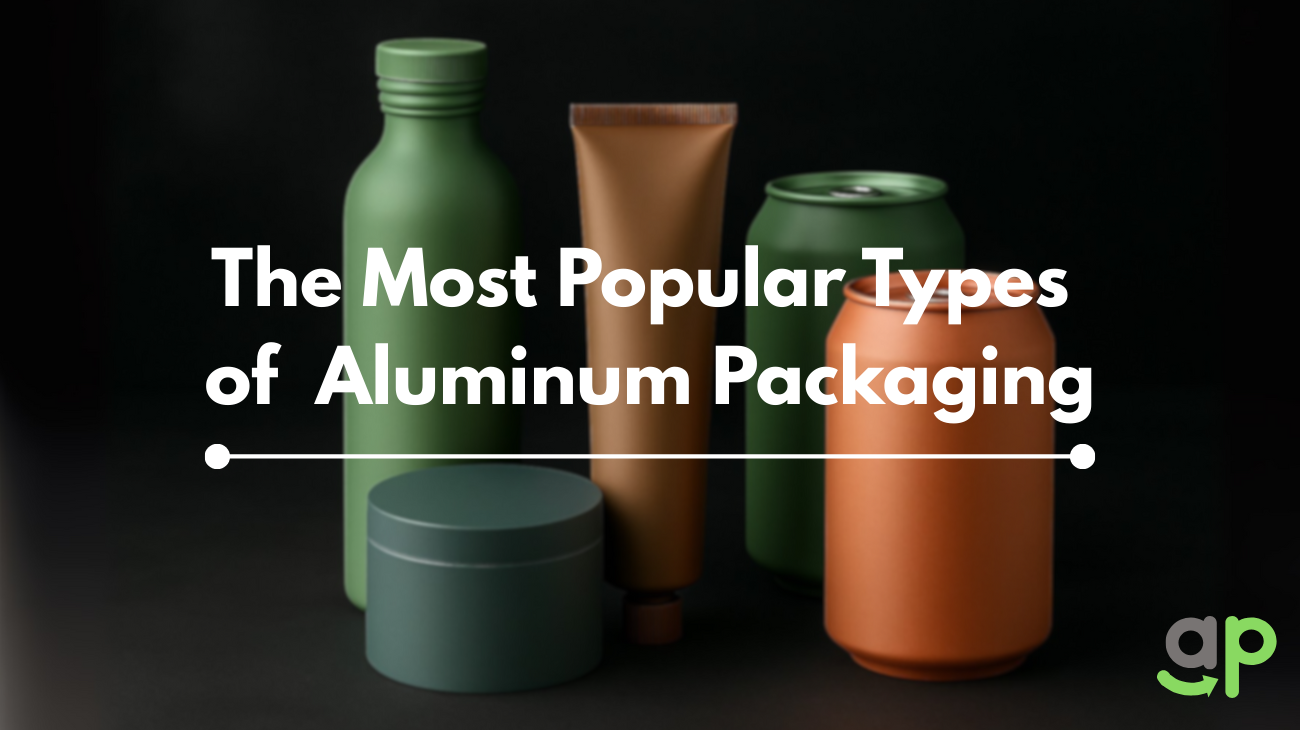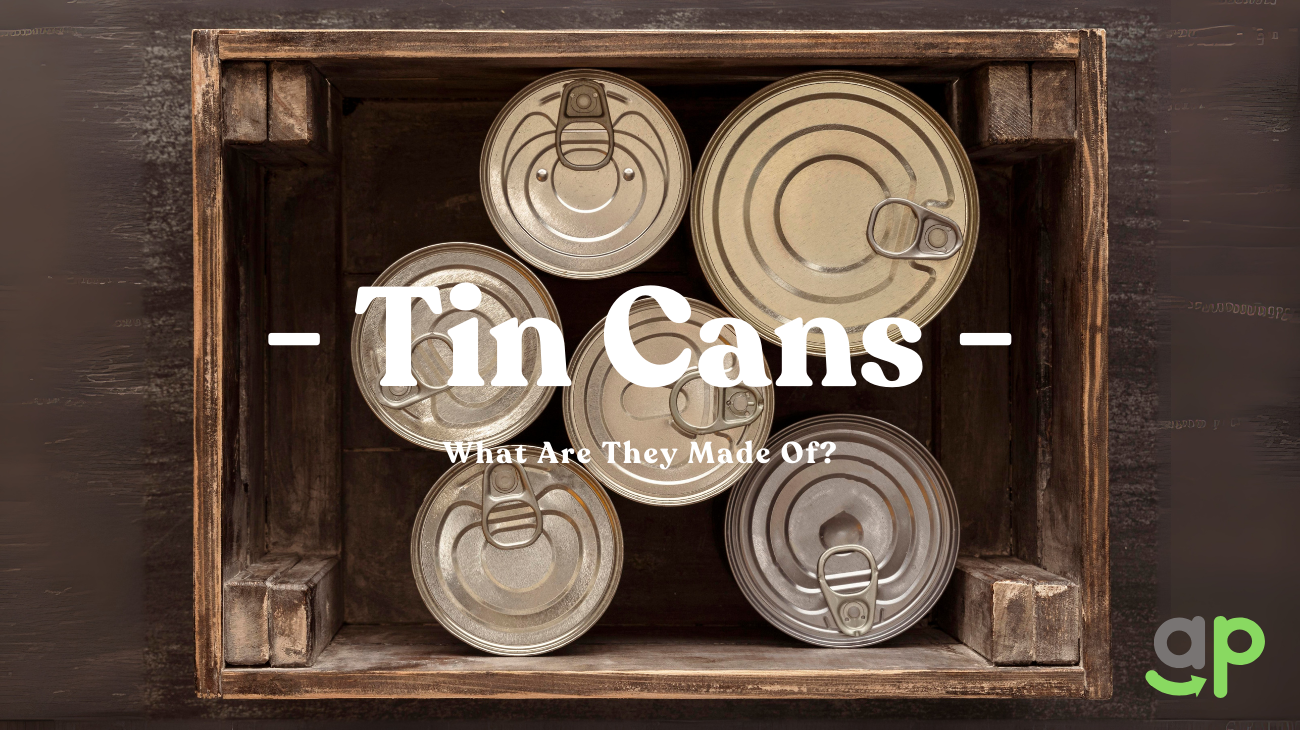

When it comes to metal packaging, many consumers are eager to understand the difference between tin vs aluminum. Knowing the difference between these two metals is essential from choosing the right packaging material for your product. Tin vs aluminum packaged goods are often seen competing in today’s market in order to grab the customer’s attention. It goes without saying that today’s packaging industry is very diversified and offers a range of different packaging materials including metal, glass, plastics, and paper. But when it comes to having a premium, durable, and cost-efficient packaging material, then it all comes down to tin vs aluminum.
In order to safeguard its product quality and brand image, a company must provide customers with a premium packaging experience. This is why many high-end brands opt for metal packaging as, with their durable and appealing design, it simply grabs the consumer’s attention. When selecting the perfect metal packaging for their product, businesses often get stuck in the tin vs aluminum packaging dilemma. Whereas traditional tin cans have been around for ages, modern and innovative aluminum packaging such as tins and aluminum bottles are rapidly outperforming and replacing the traditional tin containers.
What Is The Difference Between Tin vs Aluminum?
If you want to dive deeper into the tin vs aluminum packaging debate, then you first need to understand the key difference between both materials.
The Key Elements of Tin
Tin as a metal is considered to be a low-melting crystalline, which means it is easy to work with and shape in different forms even at low temperatures. Tin is extracted from cassiterite, which is a compound that exists out of tin and oxygen. Because this compound is easy to refine and work with, it has become a highly popular metal within many different industries including the packaging industry. It allows manufacturers to produce tin cans in different shapes and sizes in an easy and affordable manner. On top of that, tin is a metal that is corrosion resistant by nature. This makes it a perfect packaging material or coating that can be applied over other metals such as iron or steel. Tin cans allow you to store both dry and wet materials without the product wearing down the quality of the metal container it’s stored in.
Although tin is considered to be a common metal that can be found in many ever-day objects, the metal itself is actually not as common and easy to obtain as one may think. Tin only makes up for around 0.0001% of the earth’s crust. Because of this, tin is often referred to the ‘rarest of common metals’ on our planet. As a result, tin is a relatively expensive metal and its use is becoming less and less common in the production of cheap every-day items. This high price tag also is one of the main driving factors behind why much of today’s tins are made of either tin-plated iron or aluminum rather than pure tin. Both tin-plated iron and aluminum containers offer the same features and benefits as tin but at a fraction of the price.

The Key Elements of Aluminum
Just like tin, aluminum is a grey metallic element that is commonly used in everyday goods and household appliances. Although the properties of tin and aluminum are relatively similar, there is one major difference between the two of them – price. Aluminum is one of the most commonly found metals on earth which makes it extremely easy and affordable to mine. It is estimated that approximately 8.2% of our earth’s crust is made up of aluminum, making its presence abundant. The fact that aluminum is one of the most commonly found metals on earth can also be found back in its price tag. Aluminum costs merely a fraction compare to the price of tin as it’s almost 10 times cheaper. As a result, packaging containers made out of aluminum naturally come with a lower price compared to traditional tin containers.
One down-side aluminum has compared to iron is that aluminum, although easy to find, is relatively difficult to refine. This lies in the fact that aluminum is always found in different compounds, making its extraction different depending on the location it is found. Over the past decades, however, the extraction and refining of aluminum has become increasingly more efficient and prices have dropped. On top of that aluminum is one of the easiest and cheapest to recycle metals. As a result, the vast majority of aluminum products that are in circulation today are (partially) recycled. Not only does this safe costs, it is also much better for the environment.
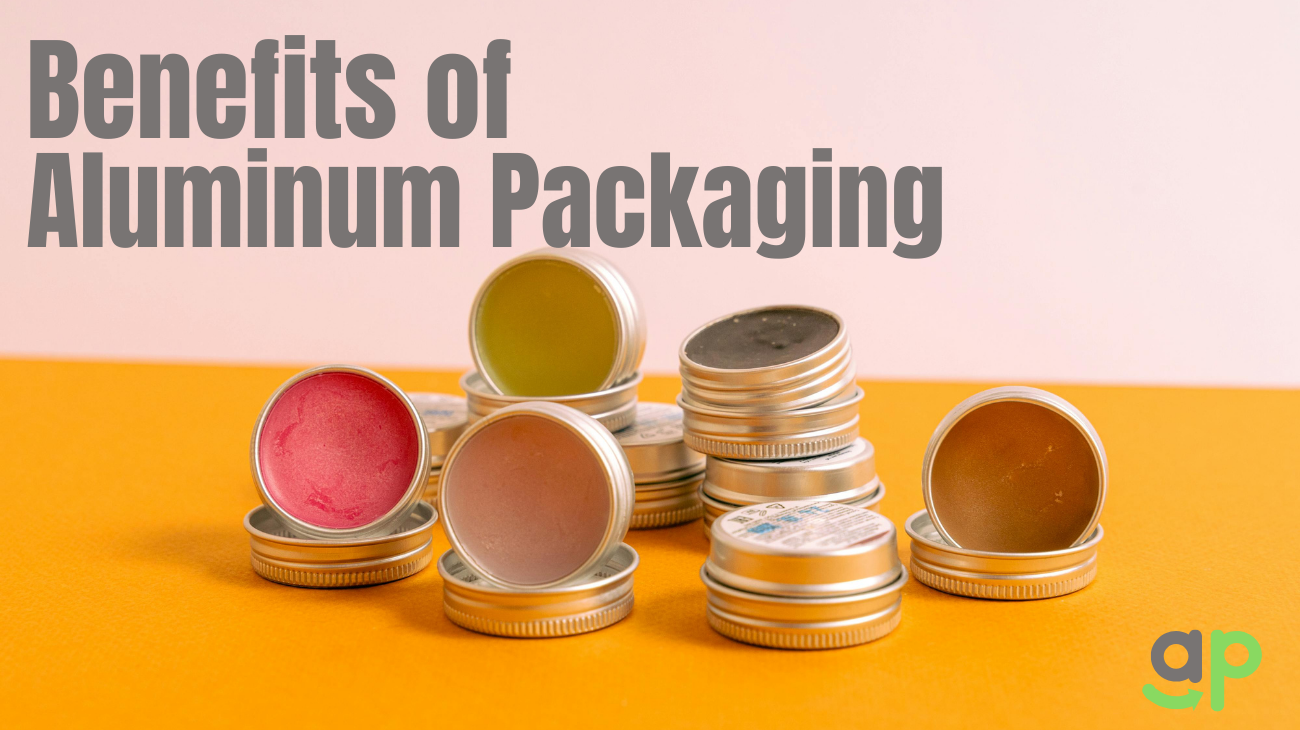
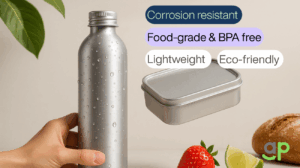
Besides its affordable price tag, aluminum brings along several other benefits. Just like tin, aluminum is corrosion resistant and does not rust. The metal is furthermore food-grade and can be used safely for packing any type or product. With its light weight compared to other metals, aluminum is easy to work with and offers a convenient user experience for the consumer. The lightweight furthermore makes it affordable to transport in bulk compared to heavier packaging materials such as glass and tin. Last but certainly not least, one of the key benefits aluminum has to offer is environmental. Aluminum can be recycled indefinitely without ever losing any of its original quality.

Key Differences Tin vs Aluminum
As it has become clear above, tin and aluminum are two metals that, by nature, share in common many of its core elements and characteristics. That being said, there still are some major differences you need to keep in mind when comparing tin vs aluminum. Some of these include:
- Aluminum is much lighter in weight compared to tin. This makes aluminum cheaper to store and transport. On top of that, it’s more convenient and user friendly to the consumer. The lightweight furthermore makes aluminum cleaner to transport as it produces less CO2 emissions.
- Aluminum is much more rigid compared to tin. Although light in weight, aluminum is an extremely durable and strong metal. It may dent, but it rarely tears or breaks. This makes aluminum a perfect metal for producing durable packaging materials. In fact, aluminum is so strong and durable that it’s used in many other industries for this characteristic. A great example of this is the use of aluminum in the production of cars and airplanes.
- Aluminum is a metal that is much more abundant and easy to find on our earth and it is nowadays easy to extract and process. The common nature of aluminum as a metal makes it much cheaper compared to tin.
- Aluminum is a soft metal that can be easily molded into different shapes and sizes. As a result, working with aluminum is a pleasure to those who are looking to create a unique custom packaging.
- Aluminum is considered to be the most environmentally friendly metal on the planet not only due to its abundance but also due to its recycling properties. It is one of the only metals that can be recycled endless times without ever losing any of its properties. Thanks to this, no matter how often aluminum has been recycled, it will always remain as good as new. Tin, on the other hand, can be recycled but it loses much of its properties in the process.
- Aluminum is not only easy to recycle but also very cheap to recycle. Because it can be reused endless times and because the costs of recycling is much cheaper compared to extracting new metals, the use of recycled aluminum brings along major cost benefits.
The Switch From Tin to Aluminum Packaging
The above mentioned differences in tin vs aluminum show why much of today’s packaging materials such as tins and bottles are made of aluminum rather than tin. Traditional tins as well as tin-plated iron containers are still available on the market but their presence is becoming less common. This is mainly due to their high price tag and heavier weight. As a result, aluminum has replaced tin since it’s not only cheaper but also easier to work with and it offers a better user experience to the end-user of a product. Aluminum packaging is considered to be one of the fastest growing packaging materials as more and more companies are making the change from tin, glass, or plastic containers towards aluminum. This because aluminum brings along numerous financial and user benefits. On top of that, aluminum is a green and sustainable material, which perfectly fits in today’s environmentally friendly cautious society.
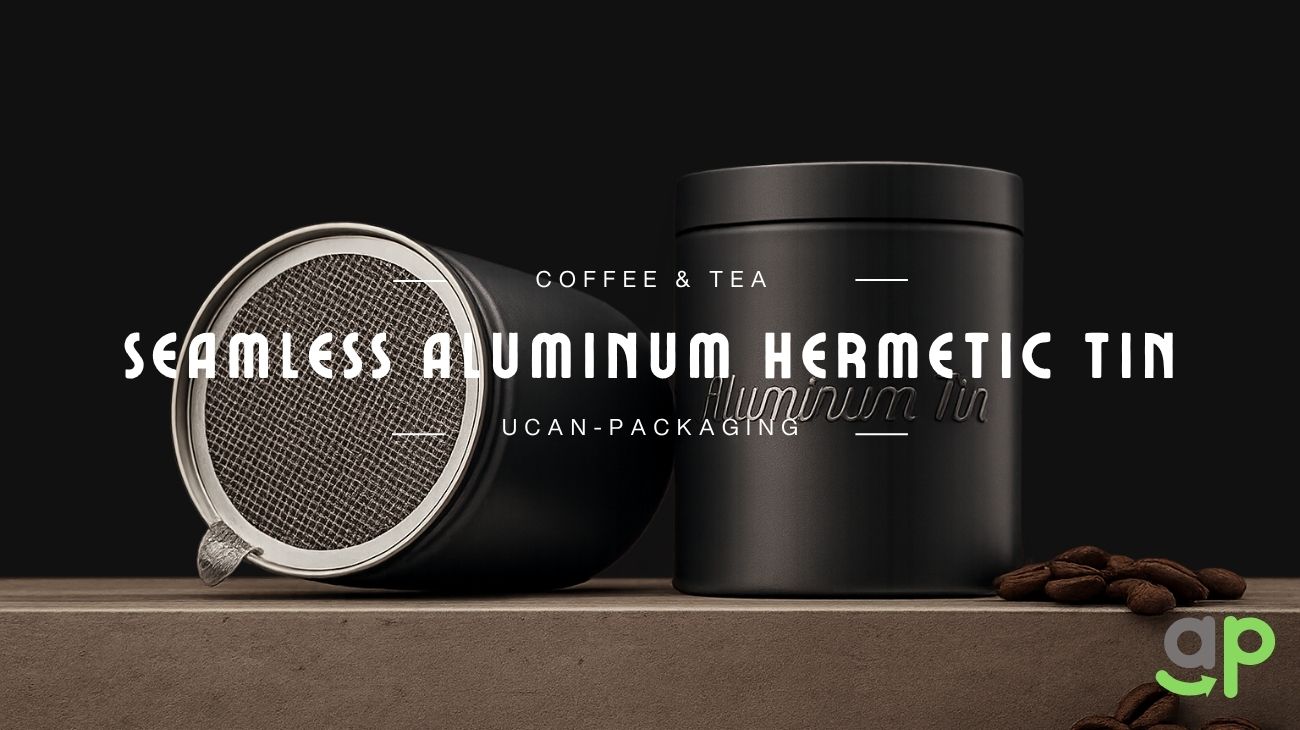
Although people nowadays still refer to ‘tin containers’ when talking about metal packaging, the use of actual tin in these containers is long gone. Instead, tin containers are nowadays usually made of aluminum or, in some circumstances, tin-plated iron.
You may also like