
Tin cans are one of the most popular packaging materials ever since their introduction in the early 19th century. These durable yet lightweight metal tin cans are easy and cheap to produce and can be customized on-demand to meet company’s branding needs. Although their name may suggest that tin cans are made of tin, the truth nowadays is actually different. So, what material are tin cans really made of?
What Are Tin Cans Made Of?
The name tin cans goes back for over 200 years, back to the early 1800s when the containers were first invented. Back in those days, tin cans were actually made of tin. This mainly was due to a lack of a better alternative. Tin itself did bring along some inherent benefits as it’s resistant to corrosion and it is extremely durable. That being said, the metal is also expensive and it may leach into the product stored inside, leading to possible health concerns when consumed.
Moving on to the early 20th century, the original tin cans were upgraded and the main component, tin, was replaced by steel. The main reason behind this was financial as steel is much more affordable than tin. That being said, tin was not completely removed from the containers as its corrosion-resistant nature was still required to prevent the tins from rusting. As a result, tin cans back then were mainly made of steel with a thin layer of tin plate; also known as tin-plated steel. This material combines the best of both worlds, the strength and affordability of steel with the corrosion resistant of tin.

By the end of the 20th century, another upgrade was made. By this time, aluminum had become one of the most popular metals used in the packaging industry. Aluminum is cheap, lightweight, extremely durable and, just like tin, corrosion resistant. As aluminum combines all the benefits that tin-plated steel as to offer, the need for tin and steel became absolute. As a result, nowadays most tin cans are made of aluminum. That being said, tin cans still today can be crafted out of any type of metal included aluminum, steel, iron, and tin-plate. Yet still, it’s safe to assume that when you purchase a tin can today, it’s made of aluminum instead. Aluminum is, by far, the cheapest of the metals. On top of that, it’s easy and clean to produce. This has resulted in a tin can manufacturing process which is not only cheaper, but also less time-consuming and cleaner compared to before.
So, why do we still call these aluminum containers ‘tin cans’? The reason for this mainly is because we simply got used to using the word. As mentioned earlier, tin cans have not been crafted out of tin since a long time as tin is, in fact, a rare and thus expensive material. Although tin is not listed as a precious metal such as gold and platinum, its presence on our earth is still much less than you may think. In fact, out of all the ‘common metals’ on earth, Tin is considered to be the least available and thus the rarest – hence the expensive price tag. It is even predicted that, within the coming centuries, the world’s supply of tin is likely to run out completely.
Due to the above mentioned reasons, producing something entirely out of tin nowadays is extremely expensive. This makes the use of tin in affordable everyday objects, such as tin cans and other packaging materials, financially unfeasible. The price is furthermore unstable and likely to rise further throughout the coming years. As an example, the price of 1 KG tin used to be US$ 20.61 back in August 2017 whereas this same 1 KG of tin today (March 2025) costs US$ 32.17. This is an increase of over 50% in 7 year time. Aluminum, on the other hand, used to cost US$ 2.1 per KG back in 2017 and today, 7 years later, the price is US$ 2.7 per KG. This major difference in price between aluminum and tin has led manufacturers of tin cans to use aluminum rather than tin or tin-plated steel.
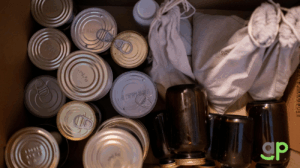
Traditional Tin Cans
In today’s world, one of the only products that is still produced purely out of tin is tinfoil. Tinfoil is a product that is used in scientific experiences but also for wrapping food-products, helping it to retain their freshness. Tin can be flattened in extremely thin sheets. This allows companies to produce a significant amount of tin foil out of just a small amount of tin. As a result, this thin tin can still be affordable. It is estimated that one pound of pure tin can produce up to 130 square feet of tinfoil or plating. Because of this reason, tin plate is still used today on other materials such as steel and iron which, unlike tin, are not corrosion resistant.
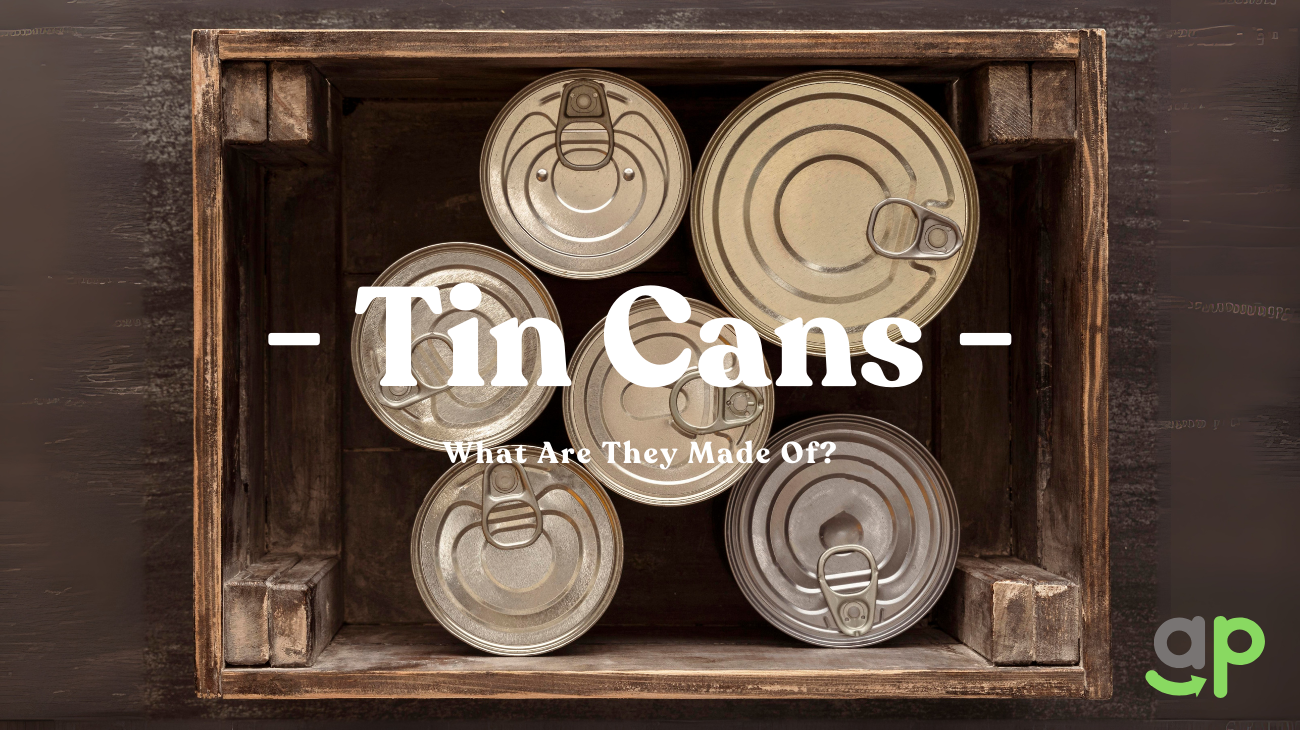
Although tin is an expensive metal and cheaper alternatives are available, you might be surprised to find out that the majority of the world’s tin today is still used in the production of tin-plated cans. These are, of course, not the traditional tin cans that were purely made out of tin, but instead steel and iron tins with a tin plating. This type of tin cans consist only 1% to 2% out of tin. The tin coating, although expensive, is used to protect the cans against the elements and to prevent them from corroding.
These traditional tin cans are still in-use today and can be found mainly in the food-packaging and canning industry. To a limited extend, they are also used for holding cosmetics, household products, and pharmaceuticals, however, in these industries aluminum tins have a clear majority. Only in the food canning industry, the traditional tin cans still hold the majority. Tin plated cans are considered to be food-safe and can be used safely for holding both food and cosmetic products for a longer period of time. One down-side about these tins is, however, that their durability comes along with a very high weight. This makes them less convenient to handle and more expensive to transport. Perhaps this is one of the reasons tin cans today are mainly used for storing canned foods while other packaging materials that are used on a more daily base, such as those for cosmetics, are made of lightweight aluminum instead.
Modern Tin Cans
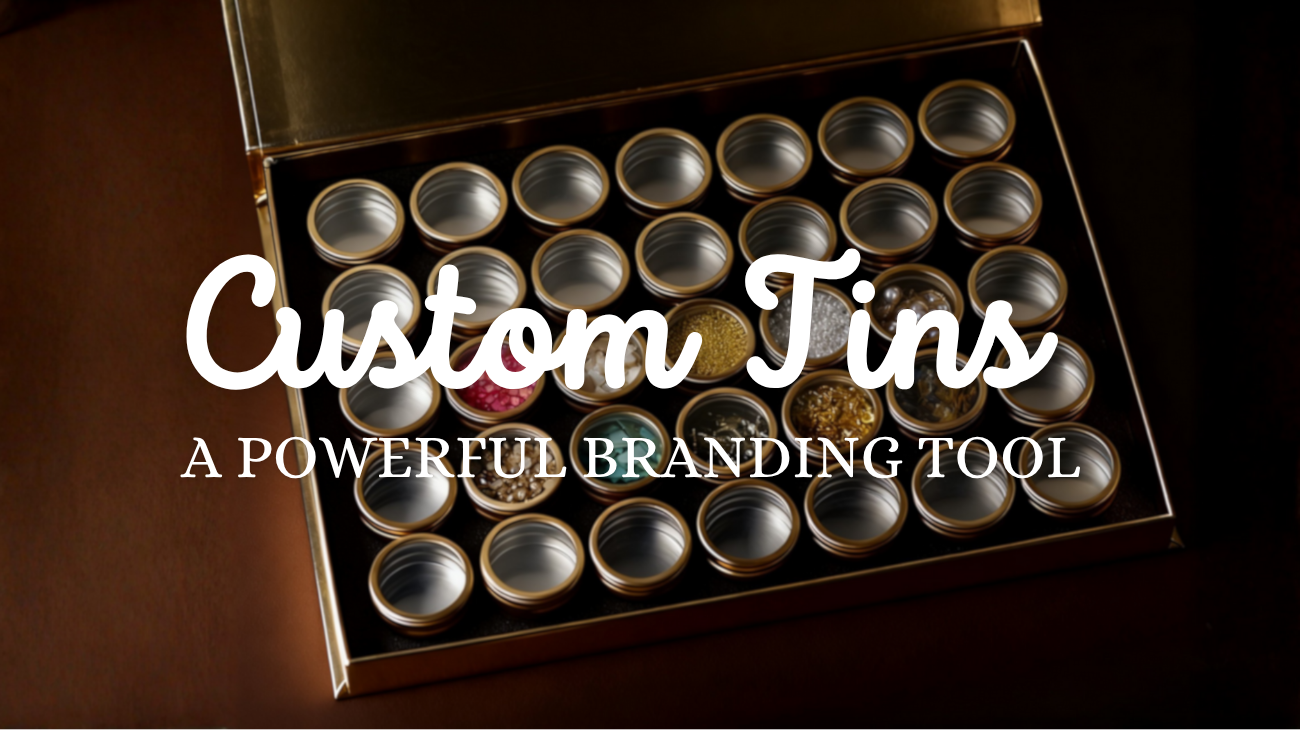
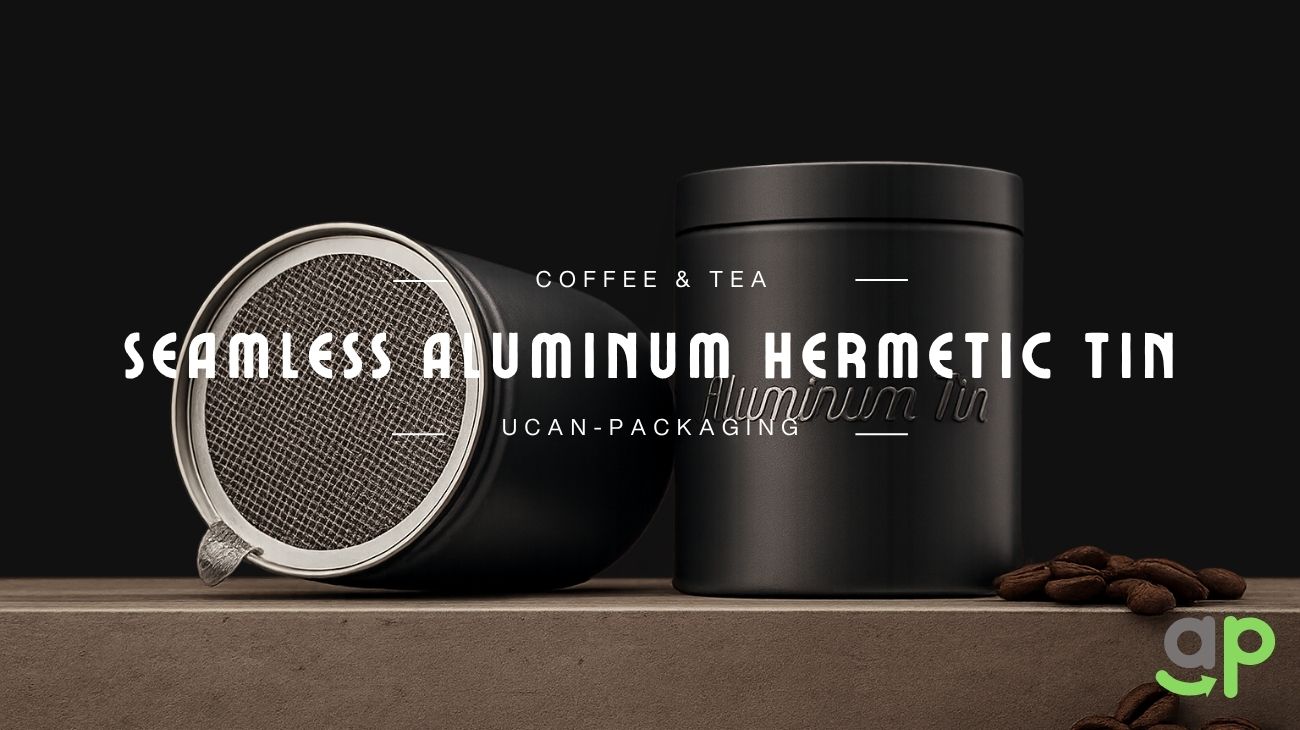
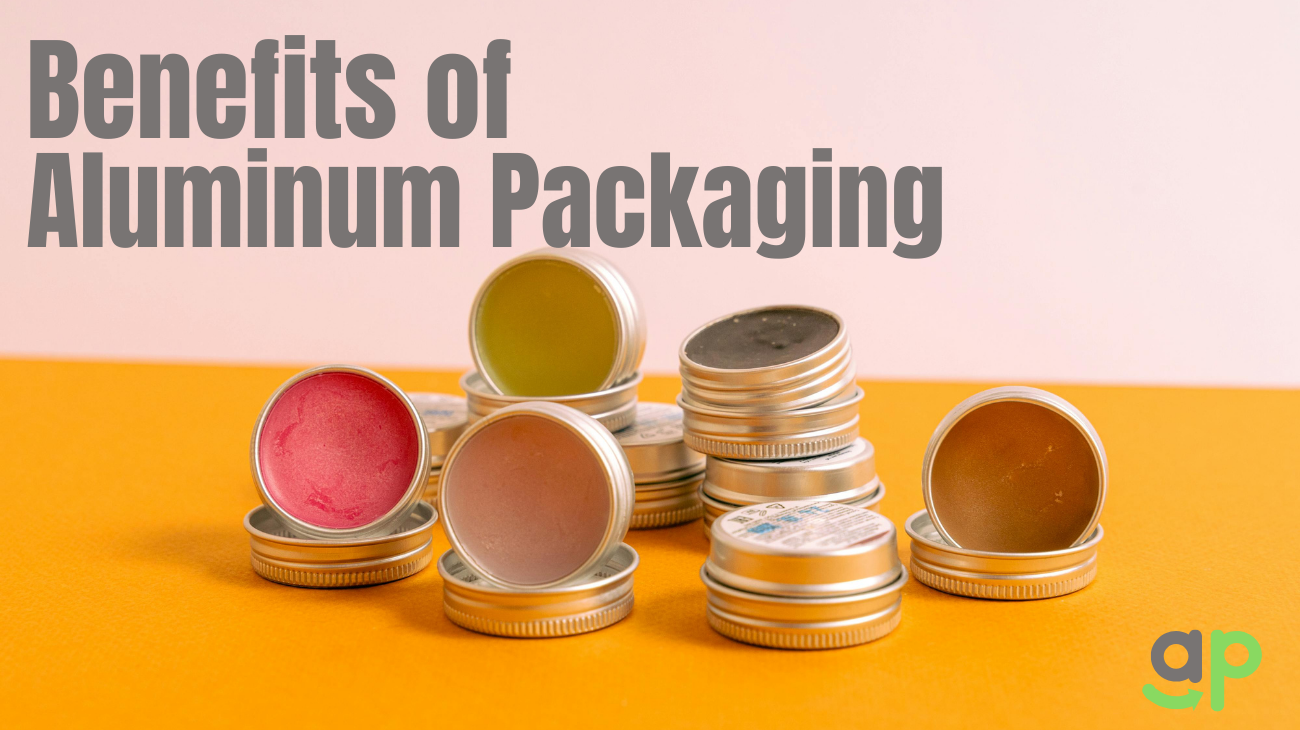
As mentioned above, traditional tin cans made of 100% tin are no longer on the market as these are extremely expensive to produce and the tin-plated steel cans are nowadays mainly used in the food canning industry. In all other industries, small metal containers are most commonly made of aluminum. Aluminum is an extremely affordable metal that is furthermore easy and cheap to work with. Aluminum tins can be easily moulded into different shapes and sizes and the metal furthermore can be customized on-demand by means of direct print. This brings along both cost and branding benefits for companies.
Besides their cheap price tag, aluminum tins are, just like traditional tin cans, food-safe and resistant to rust and corrosion. They furthermore offer an impenetrable barrier which protects the product inside from the outside environment. This significantly increases the shelf life of the goods stored inside. Aluminum tins are furthermore superior when it comes to recyclability. Aluminum packaging can be recycled unlimited times without ever losing its original quality. The lightweight and durability of aluminum tins furthermore makes them easier to carry compared to traditional tin cans and furthermore cheaper to transport for companies – further lowering the unit costs. All these benefits of aluminum tins have slowly led to traditional tin cans becoming more and more difficult to find in today’s packaging industry.