
The fast food industry operates as an active sector that keeps changing to satisfy customer needs for quick service, environmentally friendly products and operational efficiency. Packaging functions as the core element that protects food while providing customers with better experiences. Fast food containers are made of three basic materials, and now face a complete change. The packaging industry will experience a fundamental change through packaging solutions that combine intelligent systems with environmentally sustainable design. The fast food industry undergoes an operational transformation due to the emergence of advanced “smart” fast food containers providing solutions that match contemporary consumer needs.
The Driving Forces Behind Innovation in Fast Food Packaging
The increasing need for rapid and simple yet environmentally beneficial solutions requires fast food containers to develop new capabilities beyond their existing basic design. The packaging industry is currently undergoing a major conversion. The factors driving this innovation include:
- Sustainability Demands: With the ever-increasing awareness and consciousness regarding the degradation of the environment by the common consumer, brands are facing substantial pressure in manufacturing packaging options that are appropriate for the general public on an ecological scale.
- Technological Advancements: The fast food sector is currently undergoing a alteration in packaging with the introduction of smart technologies. The packaging revolution process utilises both sensors and temperature control mechanisms of smart technologies.
- Consumer Experience: Packaging today plays a vital role in making the consumer experience, with the preservation of food and the introduction of interactive features that new packaging systems provide.
- Regulatory Requirements: The more the focus grows on food safety and waste management regulations, the greater the extent to which the packaging solutions need to be reconsidered to meet these regulations.
The Emergence of Smart Fast Food Containers
The concept of “smart” packaging goes beyond traditional containers by adding technological elements that improve food quality, consumer interaction, and convenience. These containers are embedded with intelligent sensors, with container tracking, RFID tags, GPS and user interface screens for monitoring of contents and position.
- Temperature Control and Preservation: The primary demand from customers who use intelligent fast food boxes is for the system to maintain food freshness during its entire time at the proper serving temperature. The delivery services must uphold their responsibility to deliver hot meals at the correct temperature throughout their entire delivery operations. Smart packaging solutions now include self-heating containers or heat-insulated layers designed to keep meals warm for an extended period. Some fast food chains now use containers that have heating elements to maintain food at its needed serving temperature. The technology proves useful for food delivery applications, as extended wait periods lead to food temperature reduction and decreases customer satisfaction.
- Real-Time Monitoring and Sensors: The intelligent fast food containers with sensor technology track food freshness from their current state to all future time periods. The containers track changes in food quality through their ability to measure temperature, oxygen, and humidity levels, and they are used to notify customers and restaurants about possible quality issues. The system functions with mobile applications to provide users with real-time food delivery status updates begin with cooking and continuing until delivery. The new technologies create an uninterrupted food delivery process that improves restaurant operations while delivering essential management information to restaurant managers.
- Interactive Packaging and Consumer Engagement: Today’s customers demonstrate increased interest in interactive packaging solutions as they seek to develop into interactive packaging systems. The packaging solution uses QR codes, augmented reality (AR) technology, and NFC (Near Field Communication) features to create different customer interaction methods with the package. Through its QR code scanning feature, the container enables users to access special offers and promotional materials and restaurant information. The interactive packaging systems show customers all ingredient sources together with complete nutritional data and details about food preparation processes. On the customer side, it offers a set of new benefits during the initiation of identification, leading to higher loyalty and satisfaction.
- Sustainability and Eco-Friendly Innovations: The fast food industry has made sustainable packaging solutions its top priority, for these solutions have become an urgent responsibility that needs to be solved at a worldwide scale. Companies need to decrease their environmental impact as traditional packaging materials create serious pollution problems. The packaging sector offers different sustainable packaging solutions develop into new sustainable products currently available in the market.
- Biodegradable and Compostable Materials: The fast-food industry is showing a clear trend in the use of biodegradable packaging made from materials that are derived from nature, like corn-starch, sugarcane and bamboo. The materials decompose faster than traditional plastics results in smaller environmental damage during landfilling. Many brands are now choosing these materials to ensure their packaging breaks down in a short period that contributes to a circular economy. The use of mushroom-based packaging and bagasse sugarcane fibre to create compostable fast food containers is growing in popularity. The containers provide identical environmental advantages to biodegradable products, as their contents can be processed into compost will serves as organic material for enhancing soil quality.
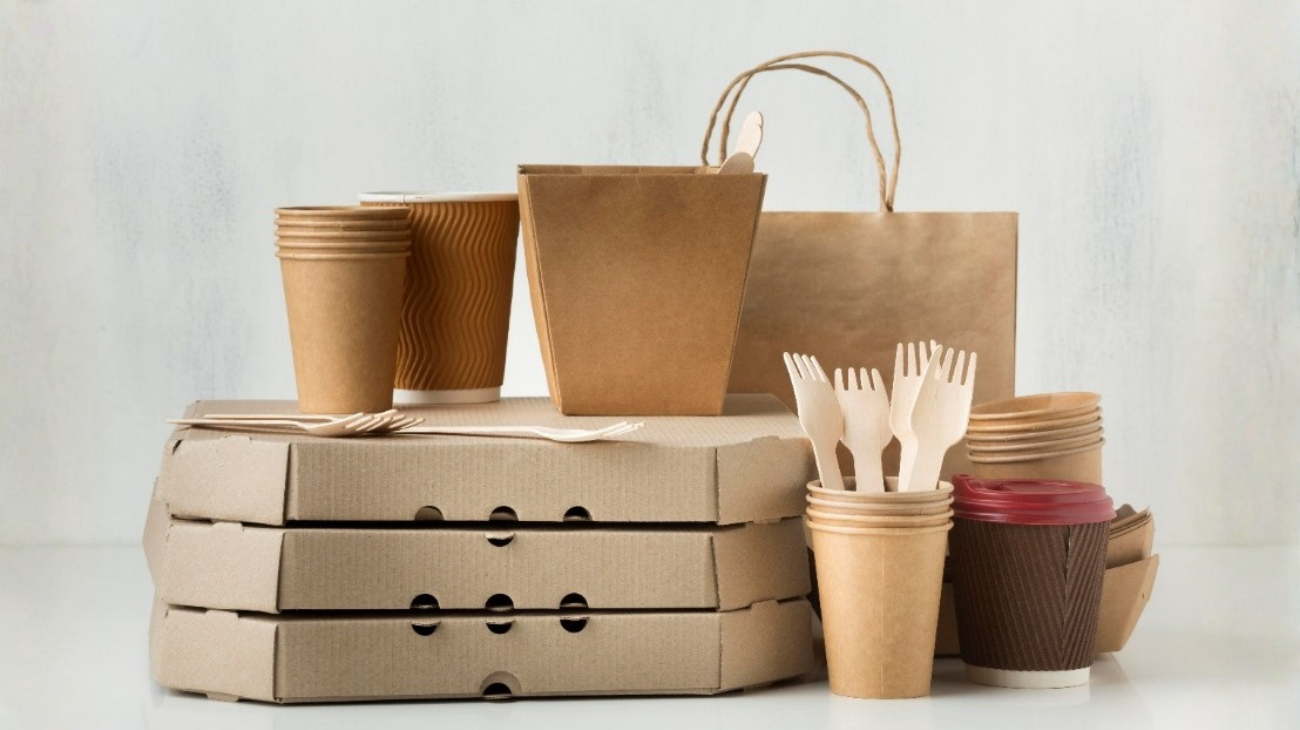
- Recycled Paper and Cardboard Packaging: Fast food restaurants now use recycled paper and cardboard packaging as environmentally friendly restaurants look for sustainable packaging solutions. The materials require fewer new materials as they can be recycled more easily than standard plastics and styrofoam materials. Fast food restaurants decrease their environmental impact by using recycled paper to pack cups, wraps and boxes, leading to their adoption of sustainable packaging methods.
- Edible Packaging: Food packaging is zero-waste packaging made from natural food grains. The containers used by restaurants can be eaten together with their food as they contain edible materials from rice, seaweed and flavoured dough. The edible containers bring extra taste to the food makes the dining experience better. The fast food industry faces a rising food waste challenge; experimental edible packaging solutions can help decrease.
- Functional Design: The first major advancement in fast food containers now occurs through their functional design, as it serves as the main method of innovation. The increasing demand for food delivery services has created a need for packaging solutions, enabling contemporary consumers to use their products in multiple ways for the reason that of their easy-to-carry design.
- Leak-Proof and Spill-Proof Designs: In the fast food industry, delivery services need containers that prevent all leaks and spills. Sealing technology advancements now create containers that stop all liquid spills during transportation, thus maintaining complete food hygiene. The protection of both sauces, soups and beverages requires this particular security measure.
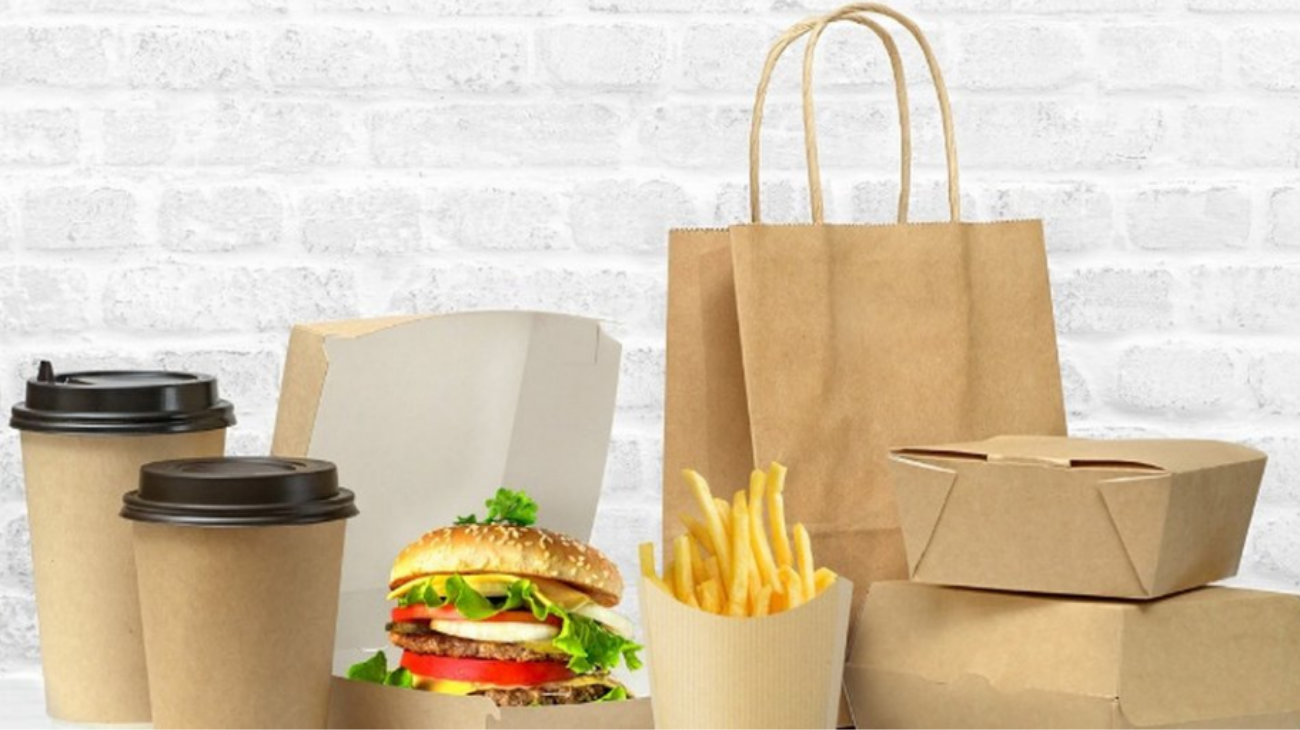
- Stackable and Modular Packaging: Fast food restaurants now prefer stackable containers as they can use them for packaging of both meal combinations and family-sized meals. The designs offer restaurants and delivery services improved food storage systems that enable them to keep their premises clean while they move products to their destination. The practice of modular packaging, dividing meals into separate compartments, is becoming a standard packaging method. The system that separates the storage of fries, sauces, and burgers helps maintain their distinct freshness.
- Multi-Use and Reusable Packaging: The fast food industry develops reusable packaging solutions as sustainable practices have become a growing trend. The brand’s research methods to create packaging that customers can return for cleaning and future use. The solution provides two benefits as it reduces waste from single-use packaging while introducing environmentally friendly fast food containers that replace conventional packaging materials.
Overcoming Hurdles in the Fast Food Containers Market
The fast food containers market faces multiple challenges as it strives to achieve both sustainable development and product development. The main obstacle for the industry arises from the expensive nature of advanced packaging materials, such as biodegradable plastics, smart containers and temperature-controlled packaging. The materials that provide environmental benefits and operational capabilities become less affordable for small fast food restaurants as they cost more than conventional materials, such as plastic. Another obstacle for businesses exists required food safety regulations and packaging requirements, creating intricate compliance challenges. The different regional packaging material regulations and standards create obstacles that prevent companies from implementing new technological solutions. The educational process for consumers needs to take place, as many customers do not understand sustainable packaging solutions, and their correct disposal methods restrict the effectiveness of these sustainable solutions.
The Future of Fast Food Packaging
According to Pristine Market Insights, the fast food containers market will experience ongoing growth on account of major technological advancements and sustainability improvements. The upcoming years will experience innovation development since organizations are dedicated to decreasing their environmental footprint while developing better product performance and customer satisfaction. The future of fast food packaging will be determined by smart packaging solutions, eco-friendly materials and improved packaging designs. The fast food industry will achieve sustainable development through consumer-focused innovations, edible packaging, self-heating containers, and advanced tracking systems.
The ongoing evolution of these trends will enhance packaging materials and drive the complete development and transformation of the fast food industry. Fast food containers are developed through modern smart technology, sustainable practices and consumer-focused design. The packaging industry transforms these innovations while they create better food experiences for consumers. The fast food industry adopts innovative technologies that enable its market expansion to fulfil the needs of today’s environmentally aware and tech-savvy customers.