
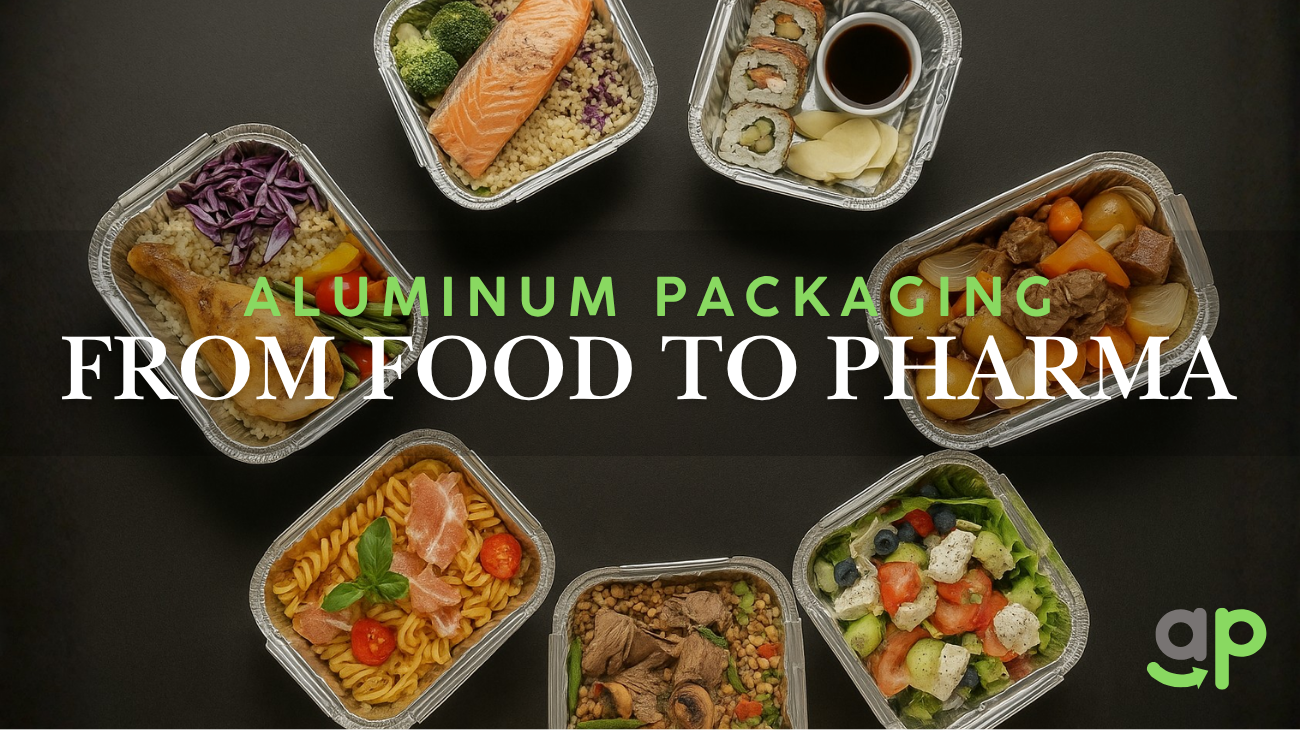
From Food to Pharma: How Aluminum Packaging Ensures Product Safety and Shelf Life
Supply chains have dominated the headlines in recent years – from pandemic disruptions to changing consumer preferences to shelf-life concerns. Packaging is one of the most essential components of any supply chain, whether you’re a start-up wellness brand specializing in CBD-infused beverages or a pharmaceutical company manufacturing weight-loss medications. The right packaging guarantees the freshness of food and ensures pharmaceutical products remain sterile.
Aluminum is unique as one of the few sustainable packaging options that can be used for everything from food packaging to pharmaceuticals. This versatile and protective material extends a product’s shelf life and ensures consumer safety. In this article, we’re exploring the science behind aluminum packaging and how it’s used within two of the world’s largest industries: food and pharmaceuticals.
The Science of Shelf Life: Why Packaging Matters
No product can ever hit the shelves without the right packaging. It acts as the first line of defense, protecting products and produce from temperature fluctuations, light exposure, oxygen, and moisture. Packaging helps regulate a product’s exposure to these elements, optimizing the product to extend its lifespan.
A product’s shelf life can be drastically reduced if exposed to certain elements. Extended oxygen exposure can result in oxidation for some food groups, causing them to become spoiled faster. Packaging like aluminum can protect food from oxidizing. It’s why products like oils and nuts are typically packaged in metal materials to give them a longer sellable and usable life span.
Light exposure is often the greatest danger for products, particularly food and pharmaceutical items, as it can result in color changes, chemical reactions, and degradation of vitamins and minerals. Dairy food is light-sensitive and often contained in opaque packaging to maintain its nutritional value and freshness.
The first thing to consider when focusing on product shelf life is packaging. It’s the one aspect your business can control, whether you’re selling your product through an e-commerce platform or through retail stockists.
Aluminum Packaging in the Food Industry
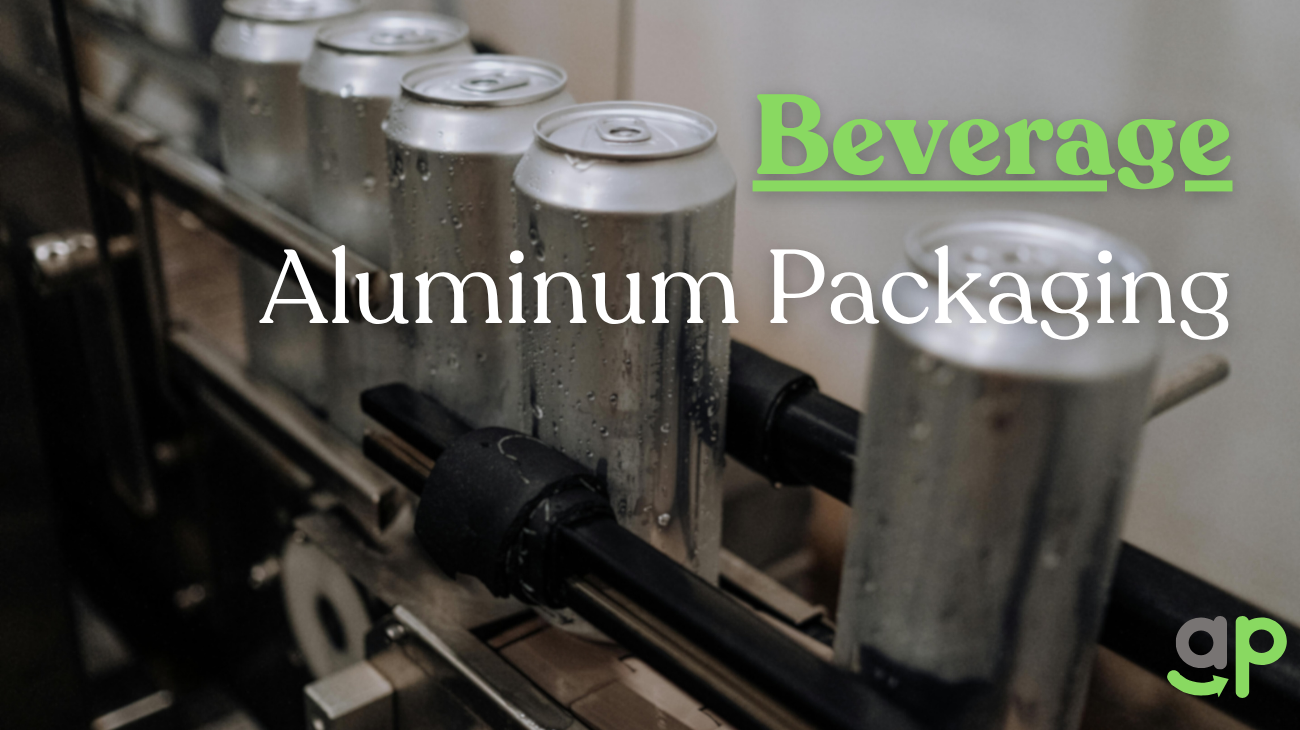
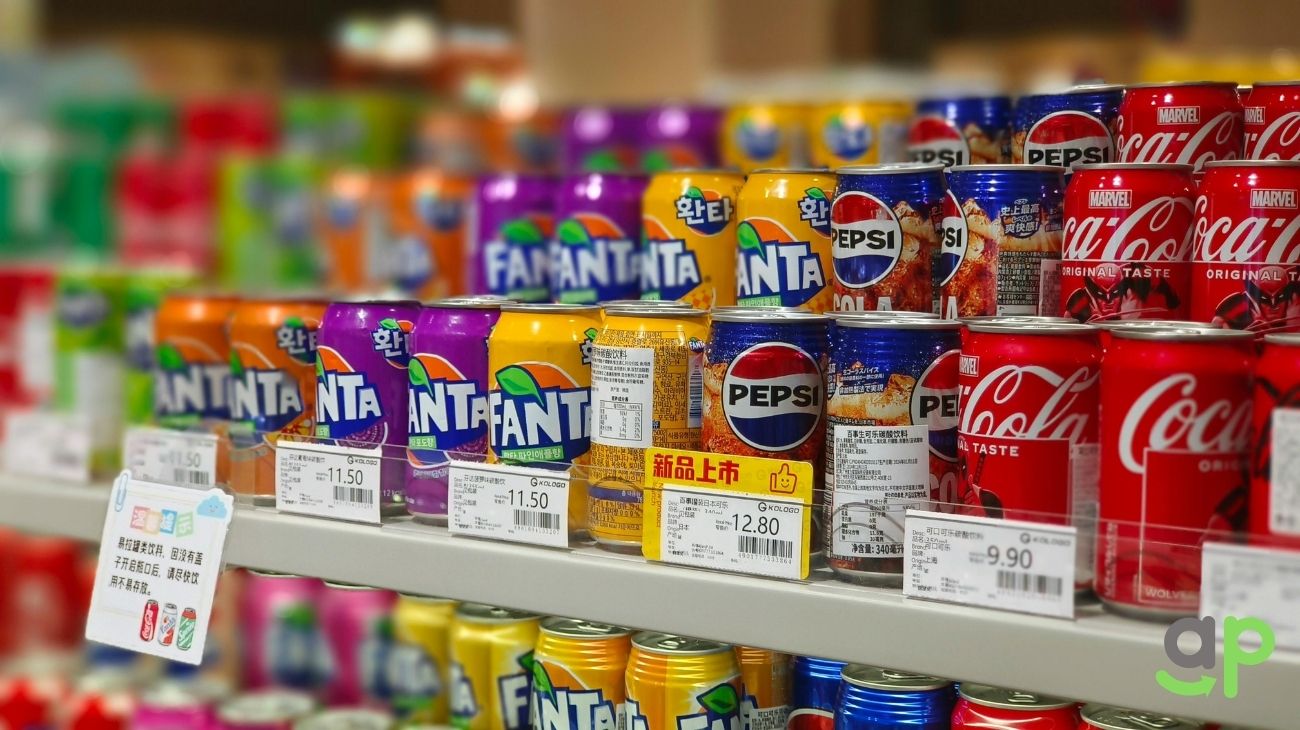
If you’ve been to your local grocery store recently, you’ve probably noticed a common trend across different product categories, from ready-meals to gourmet wine. Aluminum food packaging isn’t just a trend; it’s driving sustainability in one of the highest waste-producing industries. Food-safe aluminum is moving out of the drinks’ fridge and into other categories as a versatile recyclable packaging option.
Aluminum is non-toxic, preserving the food’s freshness by acting as an effective barrier, protecting it against light and oxygen exposure. As this packaging is air-tight, it also prevents the food from being exposed to microorganisms. It’s popular with businesses and consumers alike as it’s easy to customize, making products more noticeable on the shelves, and it can be recycled at home. Aluminum is an advertising opportunity for businesses, while also ensuring food quality.
More businesses are actively switching to aluminum to improve their product shelf life. Research by the National Packaging Waste Database found that aluminum has a higher recycling rate (81%) than plastic (52%), positioning food-safe aluminum as the next big step in improving recycling globally. Aluminum is also lightweight, making it easier – and more affordable – to transport along the supply chain, reducing the cost consumers must pay.
Aluminum Packaging in Pharmaceuticals & Healthcare
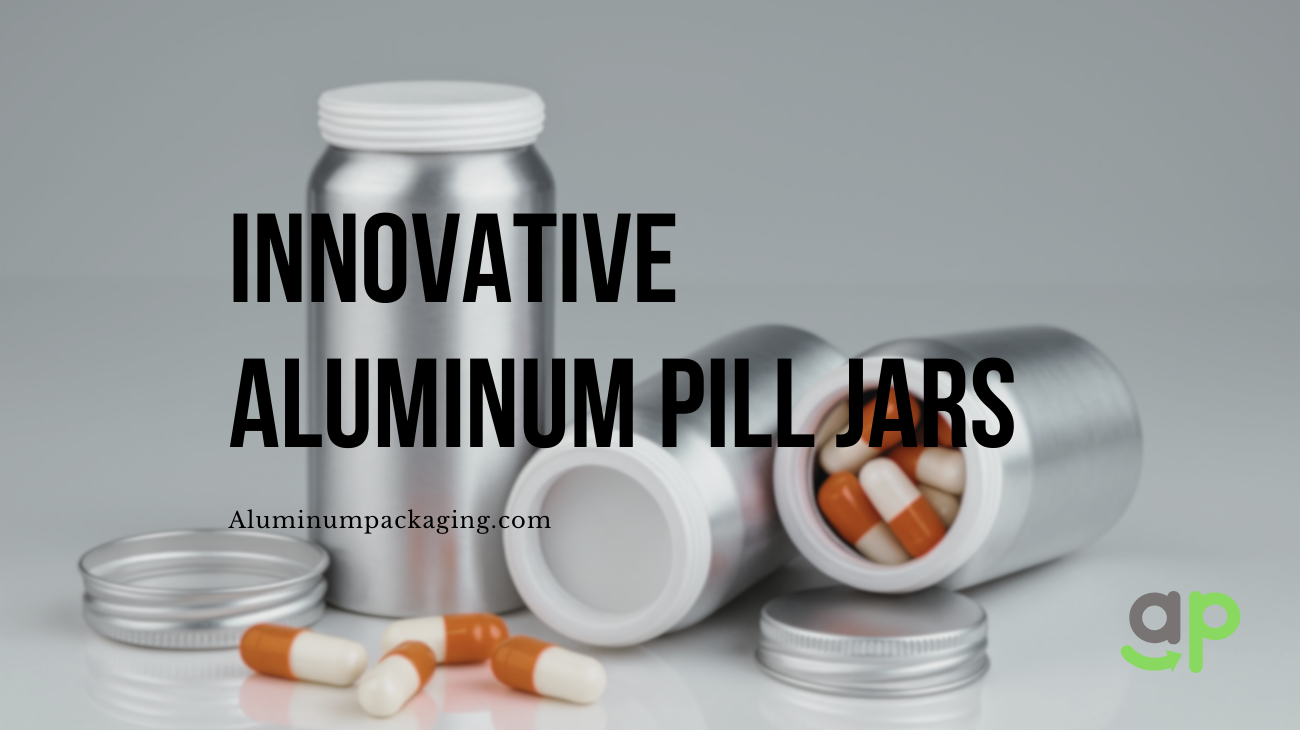
Although drink cans are often the first product we think of when picturing aluminum packaging, we’re seeing more aluminum pharmaceutical packaging hitting the shelves every year. As a strong and flexible material, aluminum is ideal for pharmaceuticals as it can be easily sterilized. While shelf-life is often a concern, manufacturers must abide by strict local and international regulations to allow them to be sold to consumers.
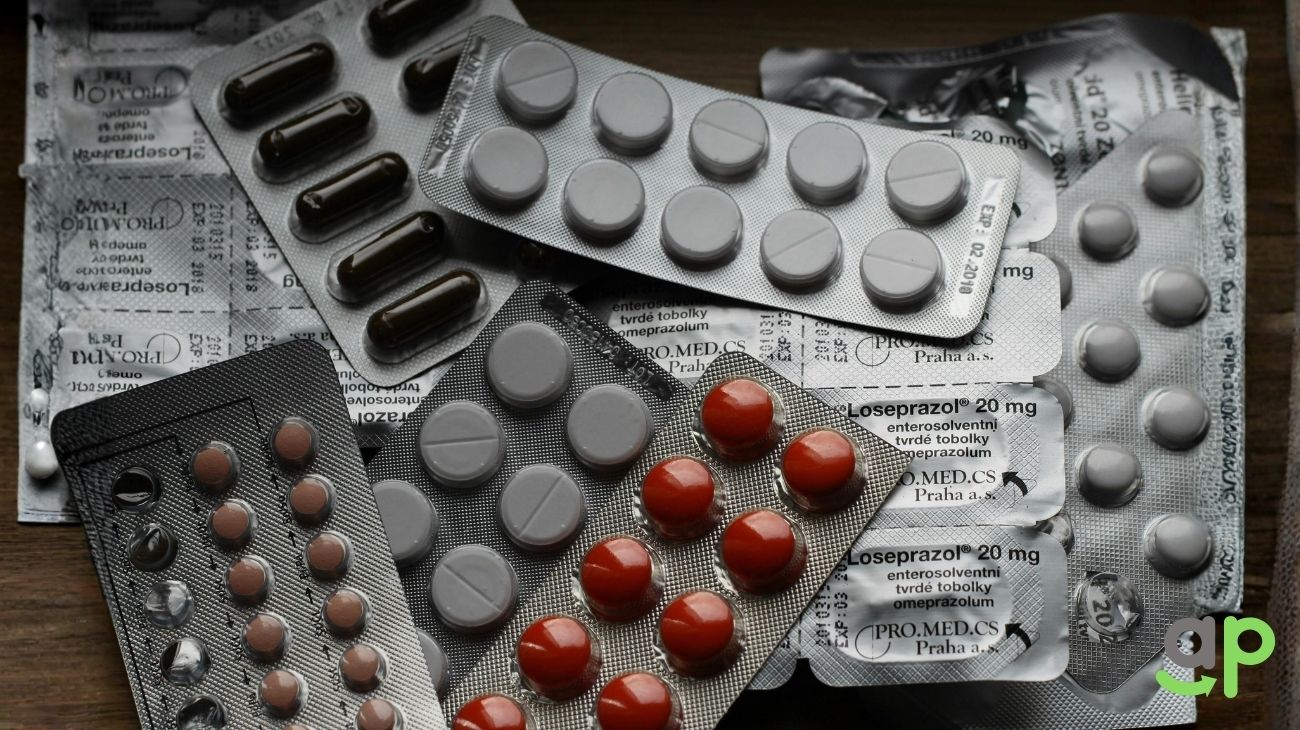
Aluminum is often used to protect pharmaceutical products from exposure to the elements and potential tampering. In 1982, Tylenol led the way by introducing an aluminum foil seal as part of its tamper-proof packaging following a series of cyanide poisonings in 1982.
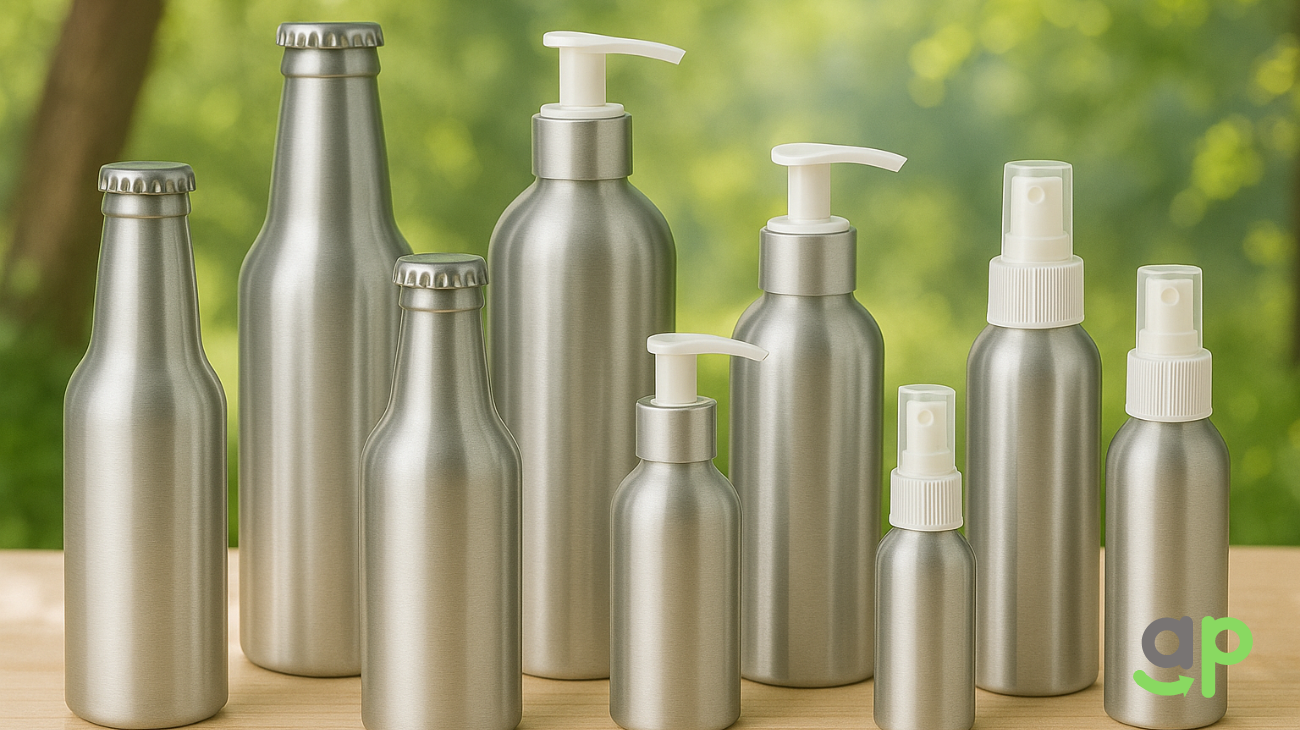
Since then, aluminum pharmaceutical packaging has become more widespread. It’s used to guarantee blister pack safety with a durable thin sheet of aluminum applied to the back of these packs, making it easy to tell when a pill has been removed. Aluminum tubes are also used as an alternative to adding preservatives to products with a gel or lotion-based formula to protect against exposure.
For healthcare products, aluminum is often chosen to ensure patient safety, instead of solely to increase its lifespan. Aluminum is approved for pharmaceutical packaging use under EMA, FDA, and WHO guidelines as it can maintain the product’s chemical integrity and ensure medication remains effective until its expiry date.
Comparing Aluminum with Other Packaging Materials
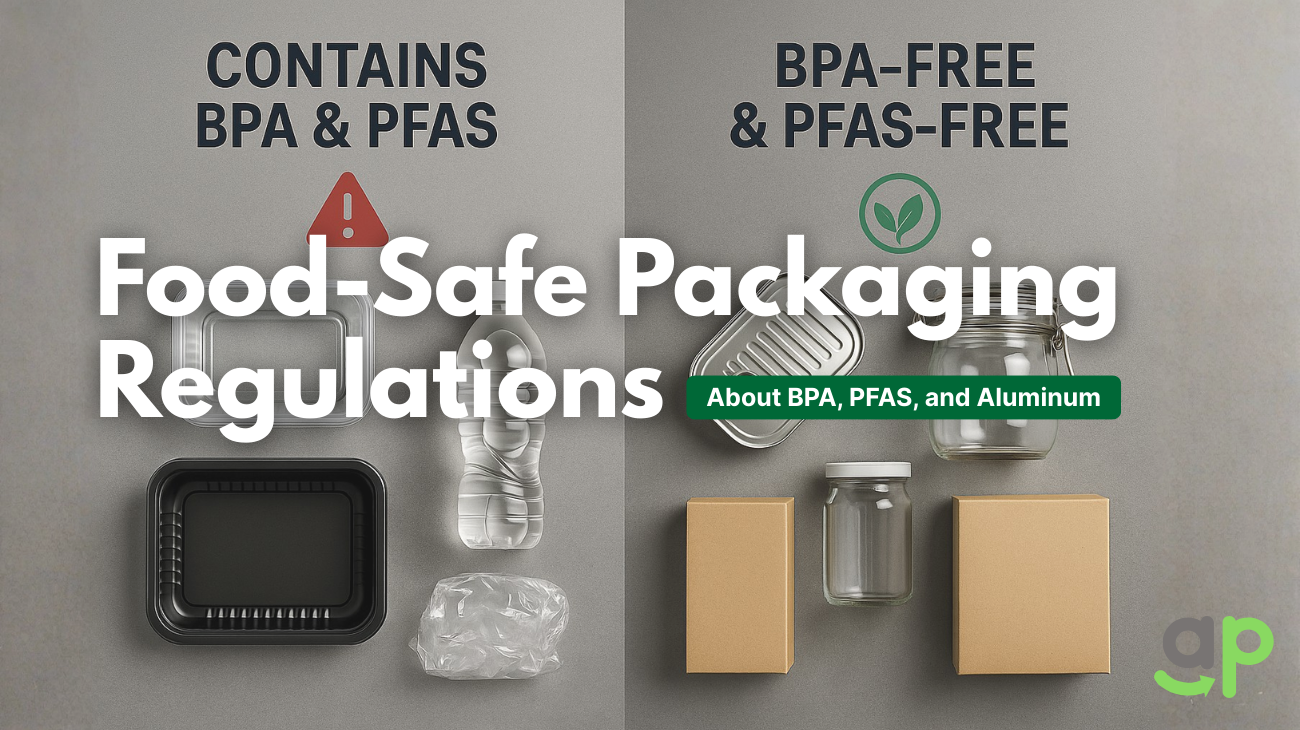
Aluminum is increasingly seen as the best packaging material for food safety, and it arguably performs better than other materials. One of the main benefits of using aluminum vs plastic packaging is that it is infinitely recyclable and does not lose its quality over time, unlike plastic.
Although glass has many of the same protective qualities as aluminum, acting as a barrier against the elements, it weighs significantly more, resulting in a higher carbon footprint. It’s also more fragile and likely to pose a safety risk to everyday consumers.
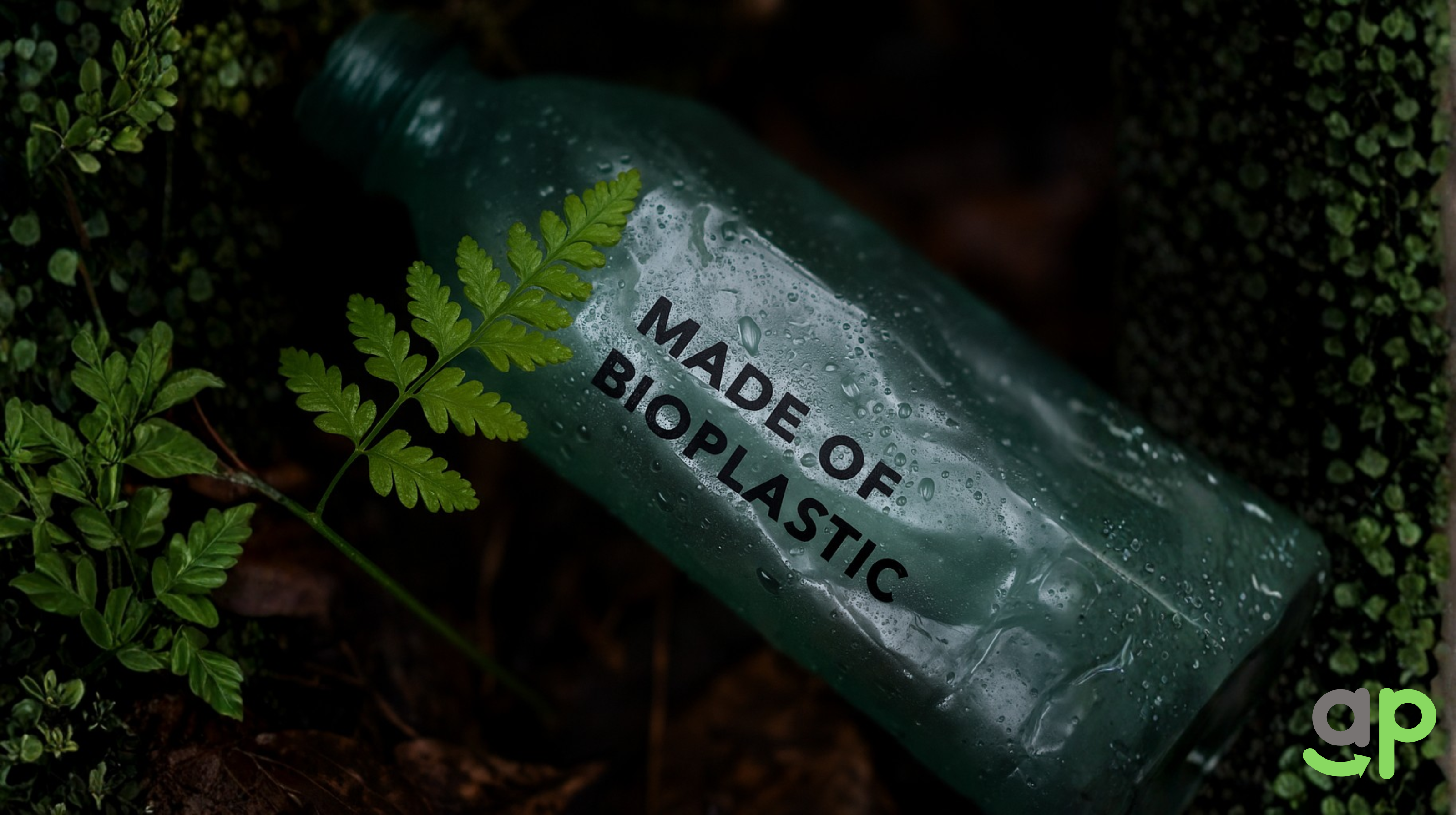
Paper and bioplastics are often seen as sustainable packaging options, but they’re not suitable for food or pharmaceutical products as they offer limited protection. Aluminum outperforms these other materials as it offers the best of all worlds, ensuring consumer safety, acting as a protective barrier, and supporting a more sustainable supply chain.
Switch to Sustainable Aluminum Packaging to Protect Your Products and Extend Shelf Life
Aluminum is the future of sustainable packaging for food and pharmaceutical products. It’s a win-win for consumers and companies, guaranteeing product safety and improving their shelf life. With consumers increasingly calling for more environmentally-friendly products, aluminum is a material that can be reused an infinite number of times without reducing its quality and protective properties.
Whether you’re launching a new product or considering a rebrand, aluminum packaging meets evolving regulatory standards and can introduce your company to a new consumer base. Find out more about aluminum packaging options and how it can benefit your business in the future.