
Food-Safe Packaging Regulations: What Every Business Needs to Know About BPA, PFAS, and Aluminum
Your food is only as safe as the packaging it’s stored in. Packaging doesn’t just protect food from the elements; it can also directly impact your health. Many types of food packaging have been found to be unsafe or to have the potential to cause health complications, primarily due to ‘forever chemicals’ that your body can’t break down.
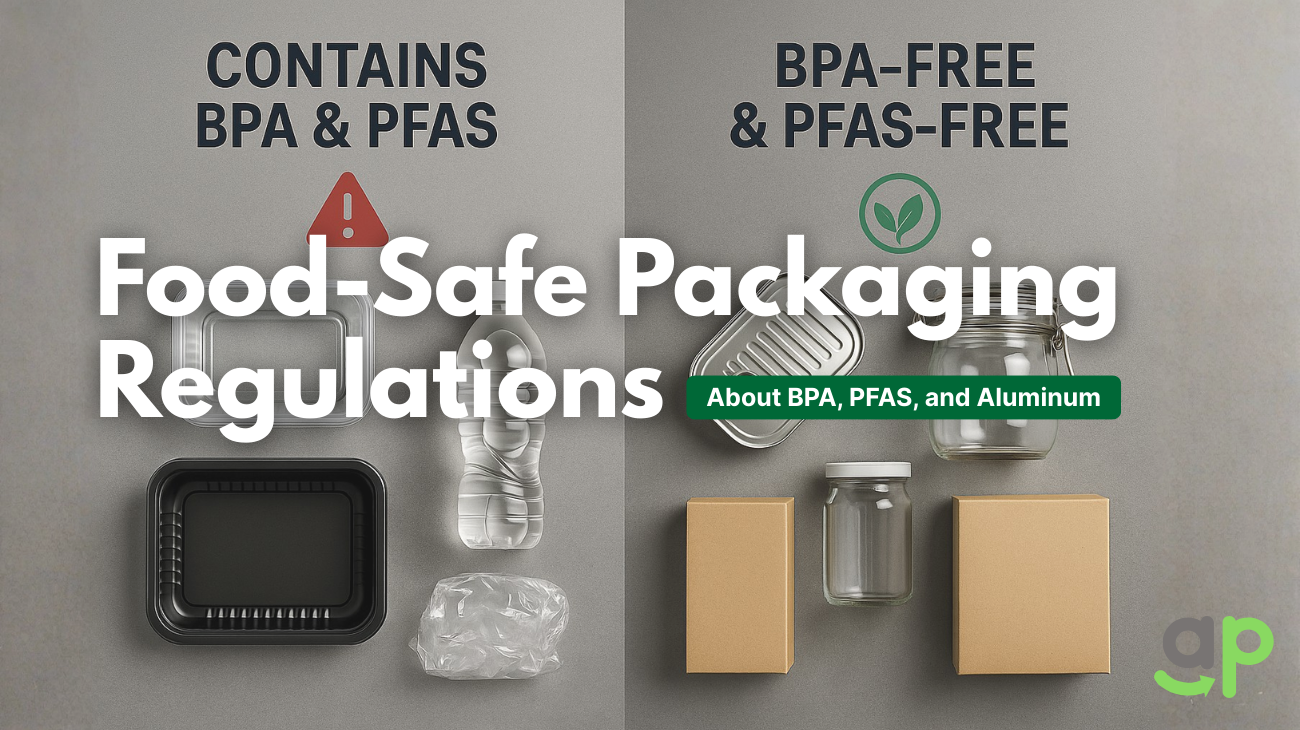
Governments around the world are increasingly taking action to limit the use of these components, including banning them entirely. Industrial chemicals like BPA and PFAS, which can be found in plastic food packaging, are facing regulatory scrutiny. As consumers become more health-conscious, thanks to the growth of trends like ‘clean eating’, food and beverage companies need to be ready to switch to safer alternatives, like sustainable aluminum packaging.
In this article, we’re decoding everything you need to know about food-safe packaging regulations, including the growing restrictions on BPA and PFAS, and why aluminum is the best alternative.
Why Food Safe Packaging Matters More Than Ever
Consumers are becoming more educated than ever before, from understanding the danger of microplastics to actively searching for more sustainable products. Food-safe packaging matters more than ever as we fight against food waste, prioritize sustainability, and consumer demand shifts towards safer products.

With regulatory compliance evolving and countries continuing to ban harmful chemicals, like BPA and PFAS, it’s more important than ever for companies to be aware of the packaging they’re using. Food-safe packaging plays a crucial role in protecting food from biological, physical, and chemical elements that can contaminate it or reduce its lifespan. If you’re a food company, it’s important to be aware of the health risks associated with some packaging, as unsafe packaging can result in reputational damage to your brand and product recalls.
Demand for food-safe packaging is rising in unison with demand for more environmentally safe packaging and products. The food market is already shifting towards more ethical sourcing and sustainable packaging, such as aluminum foil. Food companies that use eco-friendly and safe packaging can build brand loyalty and attract new consumer demographics, particularly younger consumers with high buying power.
BPA in Packaging: The Controversy and Regulations
Bisphenol A (BPA) is an industrial chemical that is used during the manufacturing of certain plastics. It’s been widely used since the 1950s and is commonly found in polycarbonate plastics, including food containers and water bottles, as well as on the protective coatings of food and drink cans. This chemical can migrate into food, leading to endocrine disruption.
Scientists have raised concerns about the risk of exposure to BPA resulting in delayed brain development and behavioral issues, primarily for unborn babies, infants, and children. Research has also suggested a potential link between BPA and health concerns like type 2 diabetes, high blood pressure, and cardiovascular disease.
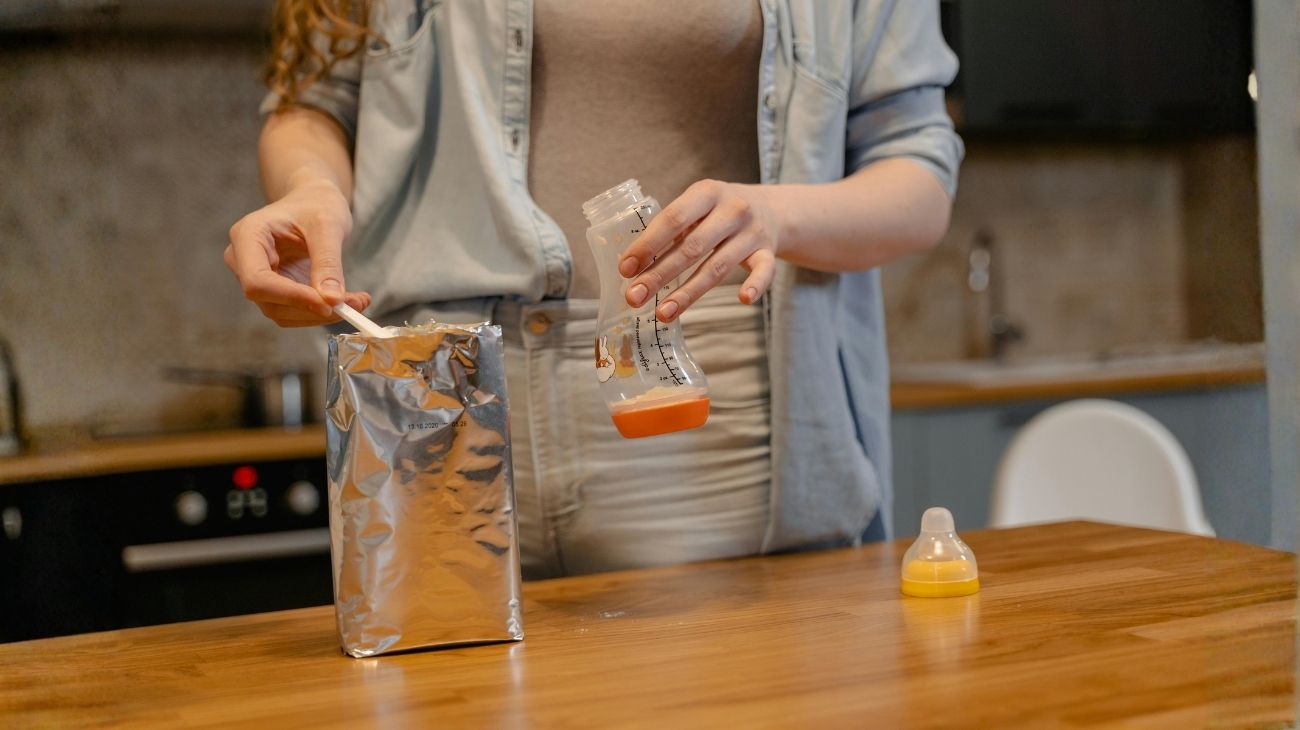
BPA is being increasingly regulated throughout the world. While it is not banned entirely in the U.S., the FDA banned the use of BPA in baby products, including formula packaging and baby bottles, in 2012. The food industry has largely shifted to adopting “BPA-free” packaging as other countries roll out an entire ban, including the European Union, which introduced an EU-wide ban in January 2025.
PFAS in Packaging: The Next Challenge
With BPA being increasingly regulated, government agencies, regulators, and consumers are now shifting their focus to PFAS. These “forever chemicals” have also been used in food packaging since the 1950s to make food containers and packaging more grease-resistant. Just like BPA, PFAS have been shown to cause a range of potential health concerns, while also having a negative environmental impact.
The chemicals in PFAS food packaging cannot be broken down and are linked to health issues like a suppressed immune system, developmental delays, cancers, and reproductive issues. If PFAS are not properly disposed of, they can contaminate water supplies and negatively impact the environment.
13 U.S. states have already restricted PFAS in food packaging, and in 2024, the FDA announced that food packaging containing PFAS materials would “no longer be sold by manufacturers for food contact use in the U.S. market.” Other countries have gone further, with Denmark banning all PFAS-class chemicals from paper and cardboard food packaging.
If your company offers food packaging or sells food products, it’s time to move towards PFAS-free alternatives, such as sustainable aluminum packaging.
Aluminum Packaging: Safe, Sustainable, and Future-Proof
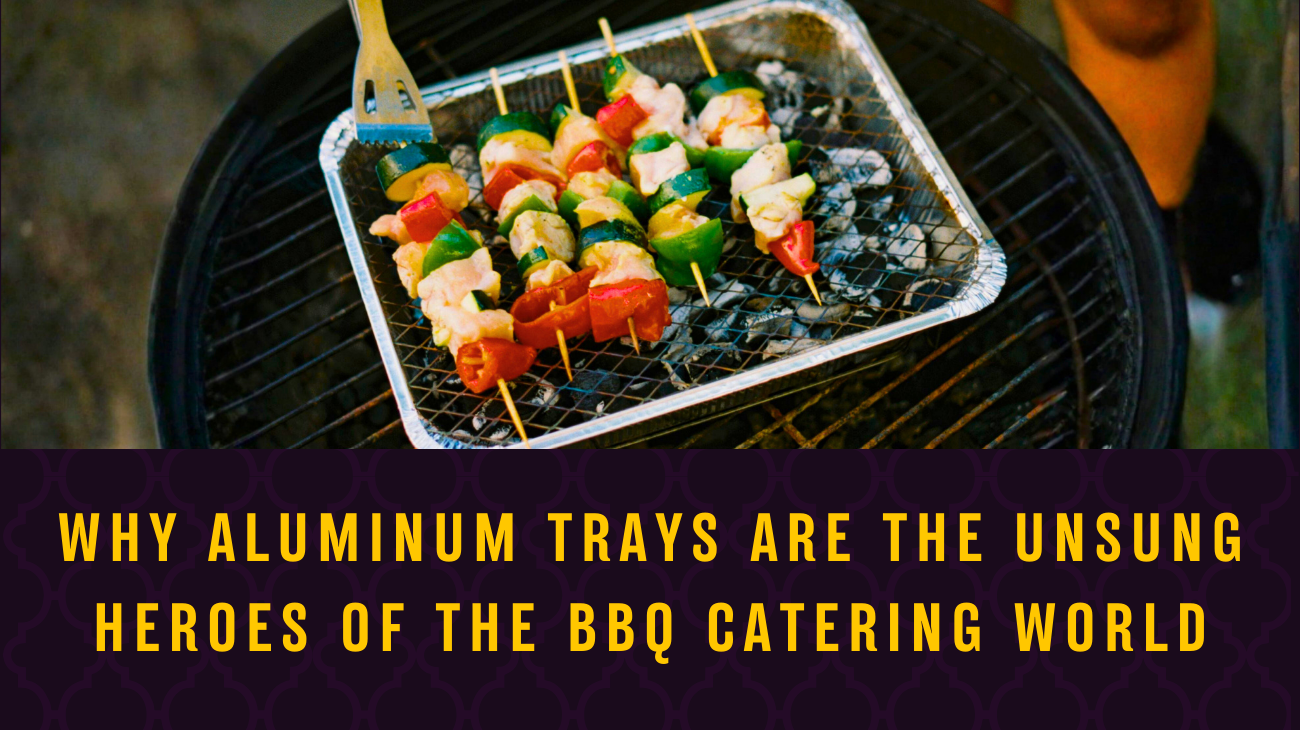
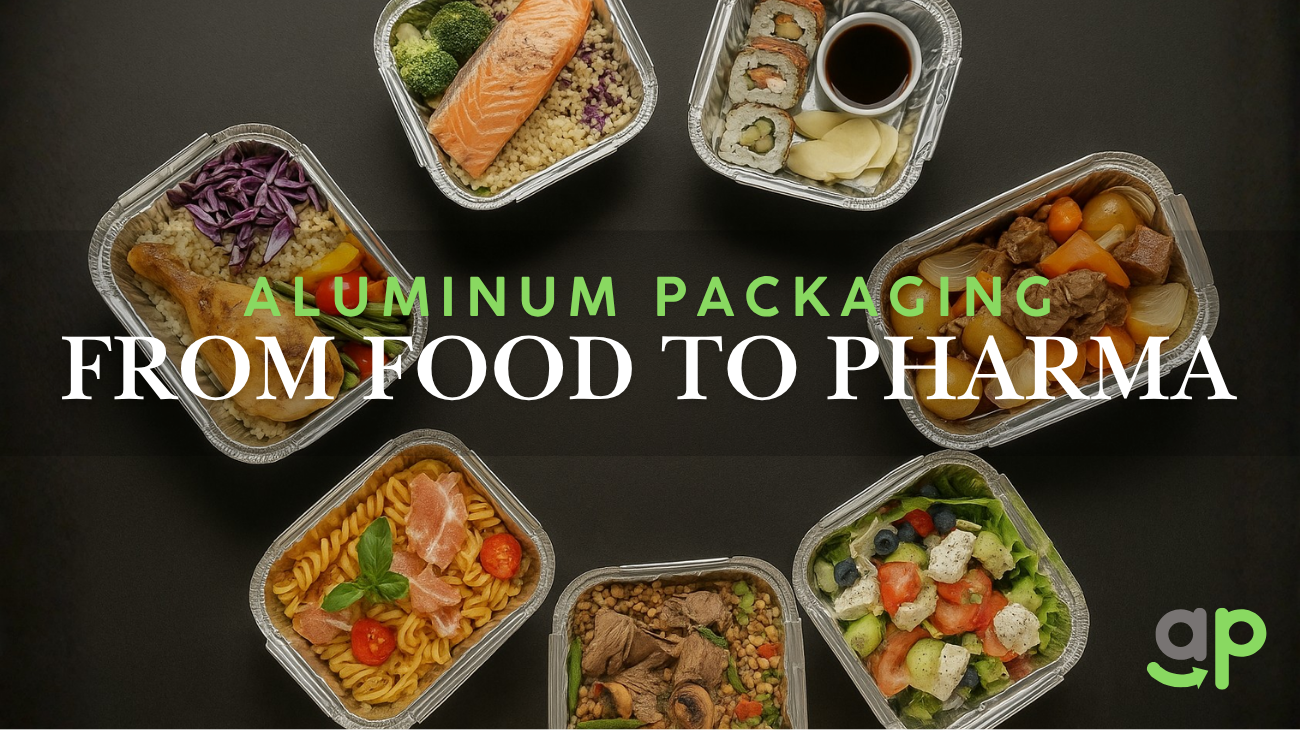
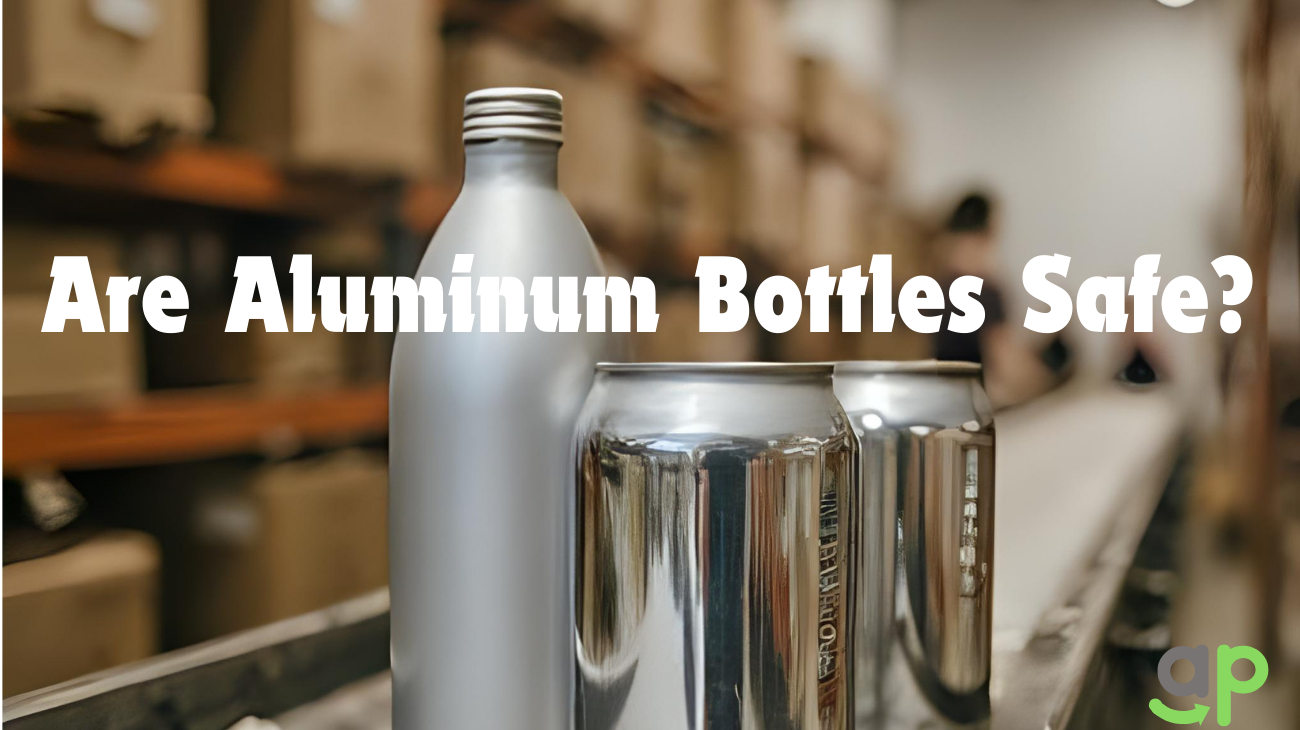
Aluminum is one of the world’s most abundant metals and is considered one of the best packaging options for food. Unlike plastic, it can protect food without chemical leaching and is already widely used in food products, such as beverage cans, ready-meal trays, and foil.
What makes aluminum attractive to food companies is its sustainability; unlike most plastics, aluminum is infinitely recyclable. Research by the National Packaging Waste Database found that aluminum has a higher recycling rate (81%) than plastic (52%), largely due to how easy it is to recycle at home or on the go.
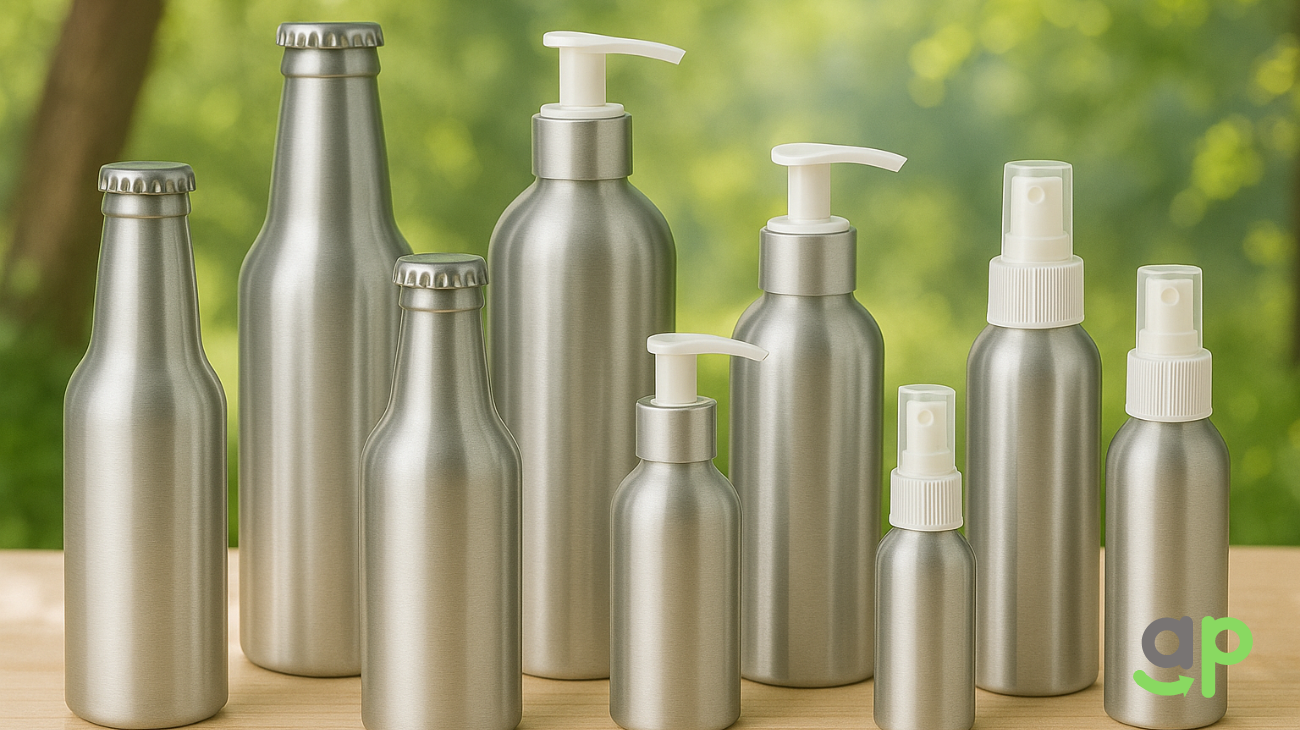
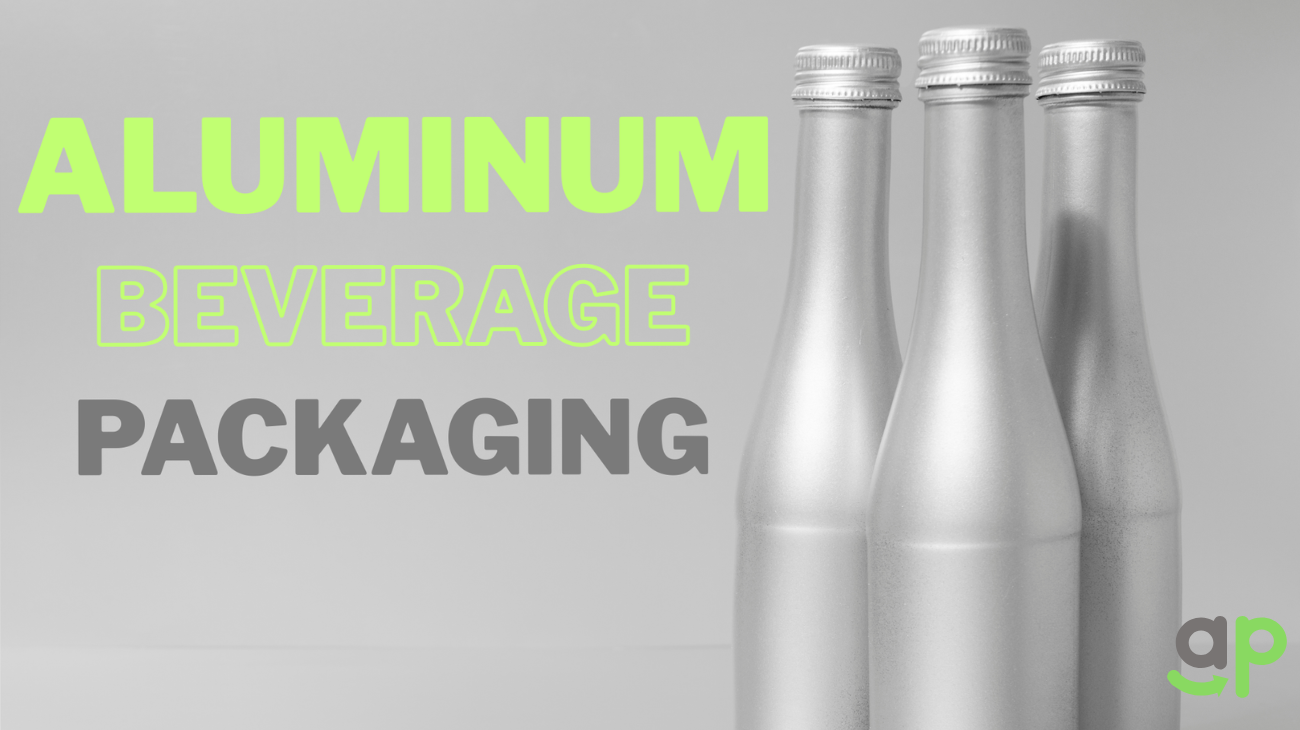
Aluminum is non-toxic, preserving the food’s freshness by acting as an effective barrier, protecting it against light and oxygen exposure. As this packaging is air-tight, it also prevents the food from being exposed to microorganisms and chemicals. The versatility of aluminum means it can be used for takeaway boxes, food storage, tins, and beverage bottles. If you want to future-proof your food company, using a sustainable packaging option like aluminum is a win-win for attracting new customer demographics and staying ahead of evolving industry standards, as microplastics and chemicals like PFAS and BPA continue to be banned from consumer products.
Get Ahead of Food Safe Packaging Regulations with Safe and Sustainable Aluminum Packaging
Consumer protection and food safety regulations are evolving faster than ever. Food companies need to be aware of growing requirements for sustainable packaging and the restrictions on chemicals and microplastics. Businesses can’t afford to ignore demands for safer and sustainable packaging across every industry.
Aluminum is unique as a food-safe material that is environmentally friendly and used across multiple sectors, including pharmaceuticals and personal care products. Start your journey by exploring aluminum packaging solutions and find out more about sustainable food-safe packaging.