
Aluminum Beverage Cans Remain Most Recycled Drinks Package Amid Declining Industry Recycling Rates
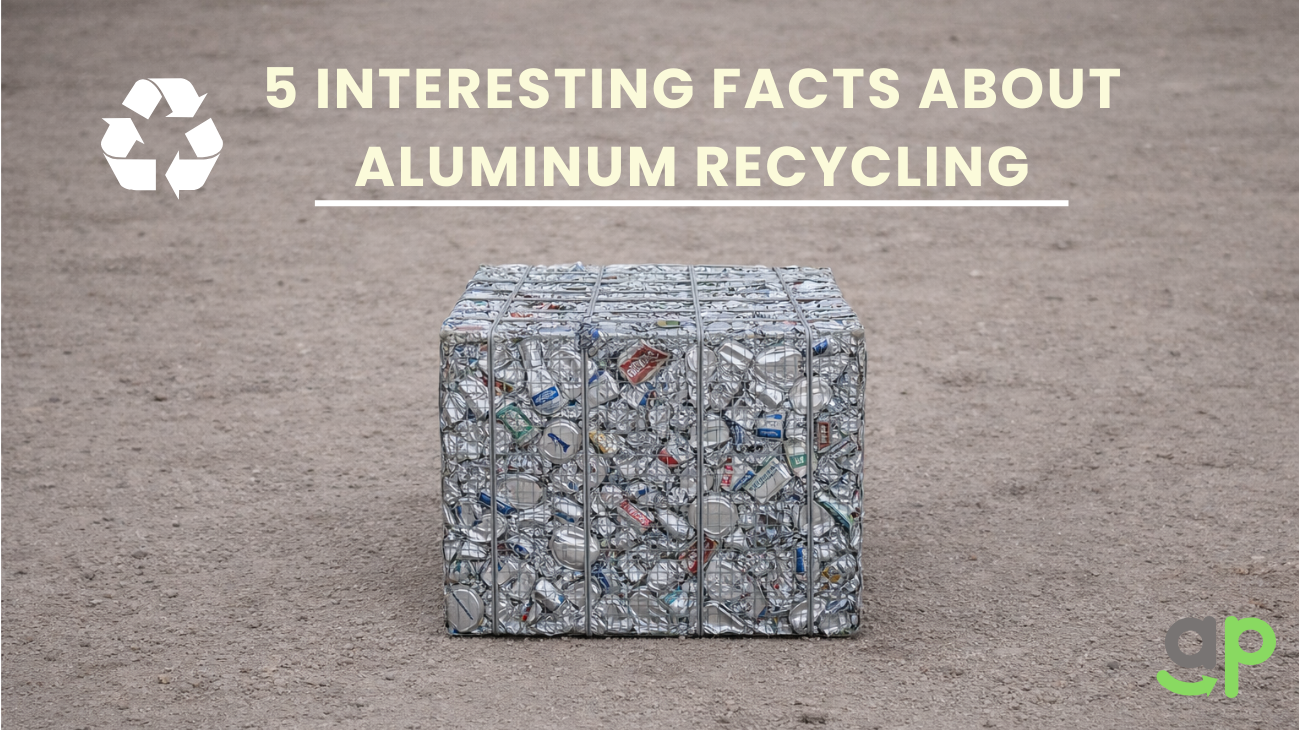
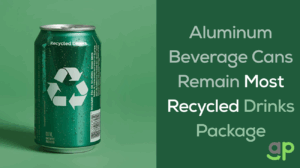
Aluminum remains one of the most recycled materials among a vast majority of industries, yet it is unfortunate to conclude that in recent years the recycling rates in the beverage packaging industry are on a decline in the United States. According to studies published by the Aluminum Association and the Can Manufacturers Institute (CMI), the latest data shows that the recycling rate for aluminum beverage cans has declined over the past years in the United States. This is mainly due to an aging recycling infrastructure and a passive approach in general towards domestic recycling policies. Based on a survey conducted among aluminum can manufacturers, recycling companies, and local governments, it is concluded that less than half (43%) of aluminum beverage cans shipped to the United States are recycled after use. This is unfortunate to conclude, given that it is far below the 52% average since tracking began in the 1990’s. It has to be stated that the domestic aluminum recycling rate still outperforms that of glass (39.6% in 2023) and PET plastic bottles (20% in 2023) yet still the aluminum recycling rates has reached its lowest points in decades.
Studies show that the current approach that the United States is having towards recycling simply is not providing the necessary results. It is shocking to realize that of the approximately 107 million aluminum cans imported and used in the United States in 2023, merely 46 billion ended up being recycled. The remaining 61 billion aluminum cans were thrown away. This equals to a whopping 180 cans for each person in the United States. Not only does this cause a tremendous impact on our environment, it also brings along a massive financial loss as the recycling and resell value of the disposed aluminum cans adds up to a whopping US$ 1.2 Billion. In fact, aluminum is considered to be the most valuable material people unknowingly dispose of without recycling it. This negatively affects the US economy, environment, and national security.

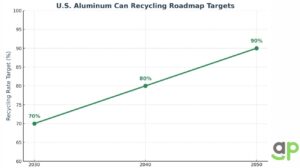
In order to tackle the recycling issues that the United States is currently facing, greater coordinated action and increased long-term strategies and investments are necessary. The Can Manufacturers Institute has previously published a roadmap that demonstrates how the United States can achieve its recycling targets of 70% by 2030, 80% by 2040, and 90% by 2050. Unfortunately, the declining recycling rates that the USA is facing at the moment will significantly complicate meeting these sustainability goals. As a result, new and tailored domestic strategies are required to meet these future goals. These strategies include increasing household awareness of recycling and how they can participate as well as the introduction of new local laws, building more recycling points, and introducing recycling refunds to stimulate and reward recycling behavior. The latter, however, seems to be challenging as not every local jurisdiction is considering these frameworks.
Although the recycling rates of aluminum are dropping, the use of aluminum cans continues to hold significant sustainable benefits compared to the use of competing material types such as plastics and glass. Not only is the recycling rate of aluminum still significantly higher compared to glass and especially plastic, the quality of the recycled material also outperforms that of competing materials. Recycled glass and plastics are often used in the manufacturing of other products that are not recyclable after use, resulting in the fact that these materials are only recycled once in their lifetime. Aluminum, on the other hand, can be recycled infinitely to make new cans or other types of recyclable materials. This is why the vast majority of aluminum products in the market already contain at least a percentage of recycled material without it influencing the product’s quality.
Aluminum packaging still is, by far, the most sustainable packaging material on the market and it features the highest recycling rate. Yet still, the decline in recycling rates that we have seen throughout the past years does bring along a reason to slightly start worrying. Unless significant steps are made towards a greener economy, the declines in recycling rates we see today may continue and even worsen in the future. In order to tackle this, change is required at an individual, local, and domestic level. Consumers need to be informed better about the benefits of recycling and local governments should provide better access to recycling points. On top of that, recycling should be stimulated not only through awareness but also through financial compensation in terms of recycling refunds on returned aluminum cans. These changes should be implemented nationally or, if not possible, on a local scale as much as possible. It is not too late to make a change and, when worked towards together as a country, the United States still has hope for a green and sustainable future with a clean environment for next generations.
You may also like