
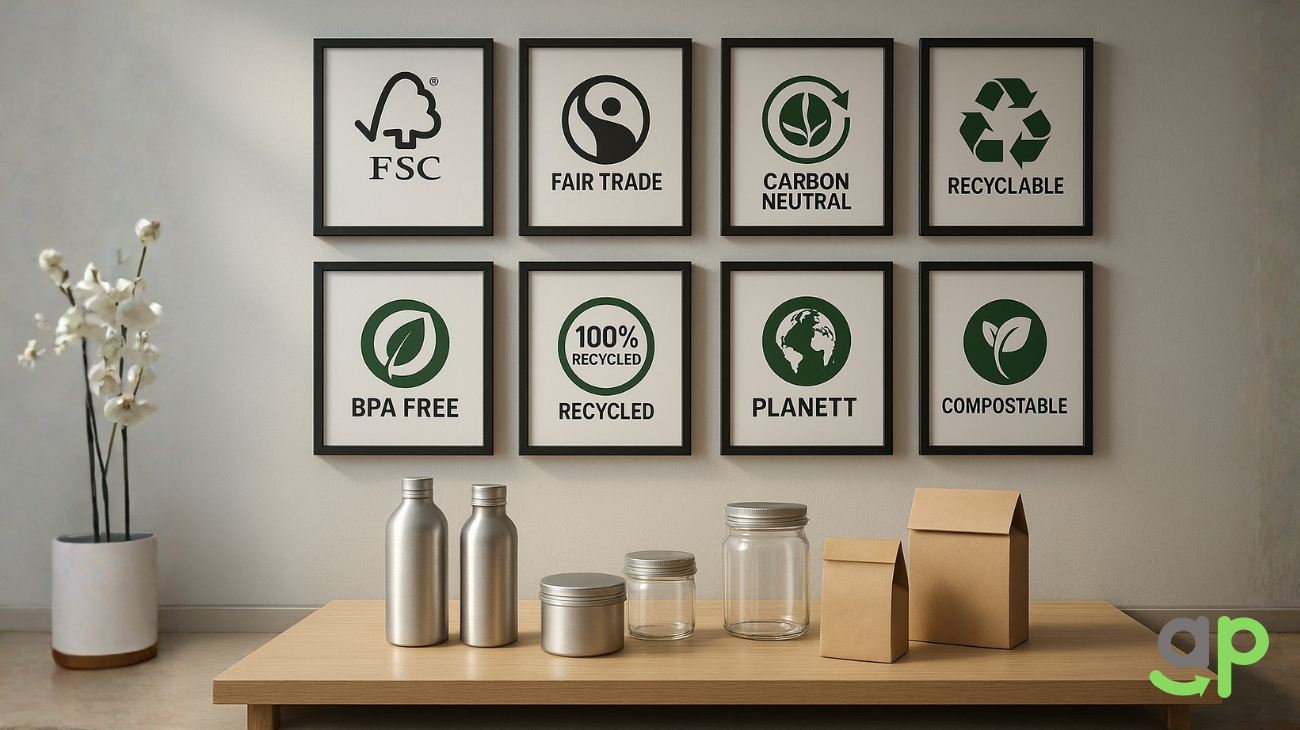
With consumer demands for sustainability on the rise, greenwashing has become a concern for companies, consumers, and watchdogs. Certifications provide a guarantee for the sustainability claims that a business makes. If you want to promote your company as being ethical or environmentally-friendly, you must invest in acquiring the right sustainability certifications.
Getting certified can cost thousands of dollars, and it’s important to know which certifications are best for your industry or business. In this guide, we’re covering the most important sustainability certifications that every business should know in 2026 for products, packaging, and operations.
Why Sustainability Certifications Will Matter in 2026
The best way to combat claims of greenwashing is to get certifications that act as proof for your company’s sustainability and environmental claims. Regulators are increasingly moving towards requiring these certifications as part of their ESG reporting. Whether you’re an established company or a start-up, proving your business sustainability standards with a certification can help differentiate your products from the competition.
With consumers shifting their focus to sustainable companies and growing regulatory pressures, businesses need to be ready to get serious about sustainability certifications in 2026. Getting certified can build trust with your target demographic and open potential fundraising opportunities, especially if you’re a start-up. If you’re selling your products in the European Union, you’ll want to be proactive and secure your certifications before the ‘Empowering Consumers Directive’ is formally introduced in September 2026, forbidding vague environmental claims that are not supported by certifications or verifiable information.
In 2026, tackling greenwashing is set to be a major focus for regulatory bodies, governments, and even consumers. Be proactive and switch to eco-friendly packaging and operational logistics that will enable you to apply for widely-recognized certifications, allowing you to display their logos on your website and packaging.
Packaging-Specific Certifications Every Business Should Know
There are dozens of certifications available to verify the sustainability of your products, packaging, and logistics. Below, we’re breaking down the most important certifications so you can start your research and avoid feeling overwhelmed. Not every certification will be accessible for your business, and it’s worth contacting these organizations directly if you have a question about their certification process.
Here are 3 packaging-specific certifications to know:
- Forest Stewardship Council (FSC)
- Cradle to Cradle Certified
- How2Recycle
The Forest Stewardship Council (FSC) is a certification and label available for forest-based products. This certified label confirms that the product’s material, such as textiles, wood, and paper, has been responsibly sourced from managed forests. FSC is internationally recognized and aims to tackle deforestation, climate, and biodiversity challenges.
Cradle to Cradle Certified is a globally used multi-attribute standard that certifies that a product is sustainably manufactured in a way that is safe to humans and the environment. This certification requires companies to
meet a variety of standards, including reducing harmful emissions and promoting a circular economy with recyclable and eco-friendly products.
How2Recycle is designed to show consumers how each part of a product’s packaging can be recycled. It aims to provide transparent recycling information for North American consumers and is widely used by mainstream brands, like Nestlé and Unilever.

Product & Material Certifications to Know In 2026
Along with recycling certifications, your company can also apply for certifications relating to your product and the materials used to manufacture it. Many sustainable material certifications are globally recognized, while others focus on domestic markets.
Here are 4 eco product certifications to know for 2026:
- USDA BioPreferred/EU Biobased Certification
- Blue Angel/Nordic Swan EcoLabel
- OEKO-TEX
- EU Ecolabel
Some certifications have US and EU-based equivalents, like the USDA BioPreferred Program and the EU Biobased Certification. Depending on where your products are sold, you may need to apply for one or both certifications. This certification is designed to provide transparency for bio-based supply chains.
Even within markets like the EU, you can find similar certifications available in different countries. Germany has the ‘Blue Angel’ eco-label, while the Nordic region uses the ‘Nordic Swan’ label. These certifications validate that the product is safe for humans, has minimal climate impact, and is non-toxic.
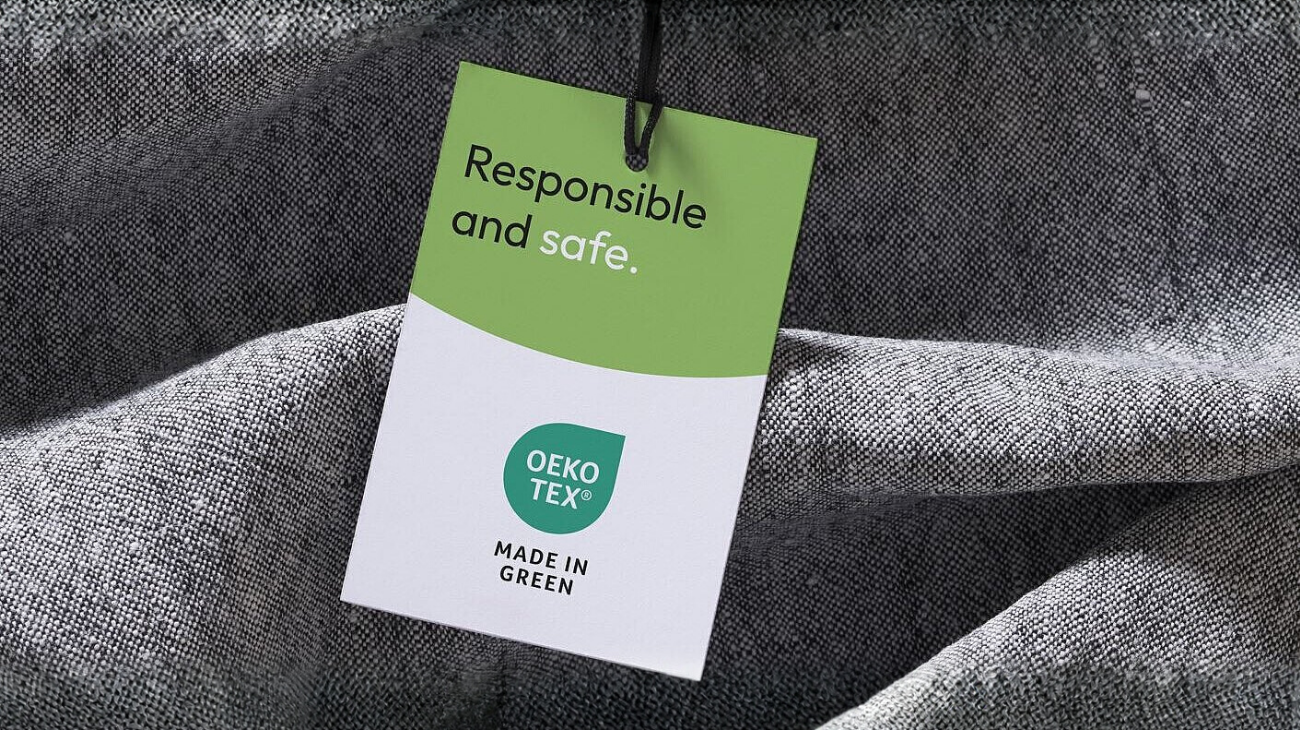
OEKO-TEX is a globally used certification for textiles and leather goods. Managed by the International Association for Research and Testing in the Field of Textile and Leather Ecology, it’s primarily known for the STANDARD 100 certification, which verifies that a product has been tested for harmful substances and is safe for human health.
Source: OEKO-TEX
Since 1992, the European Union has offered the EU Ecolabel, which certifies that a product meets high environmental standards throughout each step of its lifecycle. It’s used for products across multiple industries and verifies that it is produced in a way that minimizes waste and contributes to the EU’s aims for a clean and circular economy.
Corporate Sustainability & ESG Certifications
Whether you’re looking to attract investors or grow your business independently, it’s important to consider your environment, social, and governance (ESG) strategy. There are a variety of ESG certifications available, which verify the sustainability of your business, providing peace of mind for consumers and stakeholders.
Here are 2 corporate sustainability certifications to know in 2026:
- B Corp Certification
- ISO 14001
One of the most recognizable ESG certifications is the B Corp certification. Your business needs to complete a B Impact Assessment, undergo third-party verification for your social and environmental performance, and commit to making changes in your stakeholders’ interests. The B Corp certificate can be renewed every 3 years and acts as a framework for companies to continuously evolve and improve their ESG strategy.
Another internationally recognized ESG standard is the ISO 14001 certificate for an effective ‘Environmental Management System’ (EMS). It’s also designed to help companies minimize their environmental impact and curate more efficient supply chains.
Future-Proof Your Company’s Growth by Understanding Sustainability Certifications for 2026
With greenwashing set to face major regulatory scrutiny in 2026, now is the time to commit to your company’s sustainability credentials by getting certified. These packaging, product, and company certifications verify your company’s sustainability claims and build trust with your target consumers.
It’s easy to feel overwhelmed when applying for these certifications, especially due to the variety available. Keep things simple and start with your eco-friendly packaging certifications. A great way to begin is by exploring sustainable aluminum packaging and how it can benefit your business.