
How BPA Sneaks Into Your Life (And What to Do About It)
You’re here because you have questions about the dangers of BPA, so let’s cut to the chase. First off, what is BPA exactly? Short for Bisphenol A, BPA is essentially a “workhorse” chemical that forms a lining inside certain food and beverage packaging. While this lining keeps plastic containers strong, durable and transparent, protects cans against corrosion, and stops metal from leaching into food, a bigger problem has emerged:
BPA can migrate from the lining into what we eat and drink.
Worst of all, regulators aren’t telling us the full story – and they’re not even all on the same page. In the U.S, the FDA claims that the current low level of BPA in food and beverages is safe for human consumption. But over in Europe, EFSA has a different outlook. They recently set a very strict tolerable daily intake (0.2 nanograms/kg of body weight) far lower than what the FDA says.
So, what’s a consumer like you supposed to do? Who are you supposed to trust? Most importantly, what are you supposed to buy to protect yourself and your family? Between evolving science and conflicting viewpoints, the bisphenol a debate is messy to say the least.
In this article, we’ll unpack exactly how BPA can sneak into your life, and how to lower your exposure (without losing your mind).
Story at a Glance
- WHAT IT IS: Bisphenol A (BPA) is a chemical used in plastics and resins. It’s often found in food containers, cans, and even receipts – making it difficult to avoid in daily life.
- WHY IT MATTERS: BPA can leach into food and drinks, with research linking it to fertility issues and hormone disruption among other BPA health effects.
- WHERE IT HIDES: Commonly found in canned goods, plastic bottles, food storage containers, and thermal paper, exposing us to the dangers of BPA.
- THE CATCH: “BPA-free” doesn’t always mean safer. Replacement chemicals like BPS and BPF may carry similar risks to bisphenol a.
What is BPA?
Since the 1950s, bisphenol A has been used to make certain plastics and resins. It’s mostly found in polycarbonate plastics and epoxy resins, like non-BPA-free water bottles, bottle tops, water supply lines, and food cans. Even dental sealants and composites may contain BPA.
How BPA Sneaks Into Everyday Life
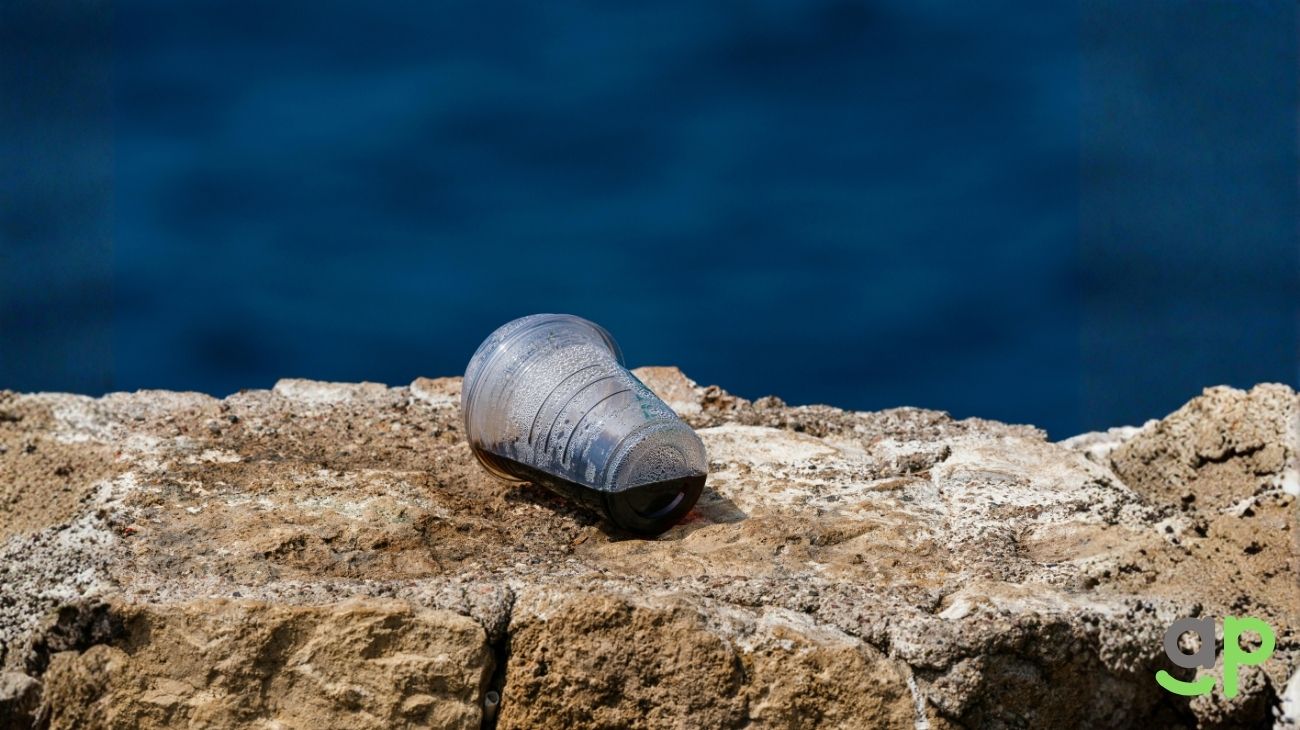
If you eat canned soup, drink from plastic bottles, or store leftovers in plastic containers (especially old ones), then you’ve likely met BPA. We’re not even safe at the grocery store, seeing as BPA can transfer from thermal paper receipts onto our skin. Even excessive indoor dust increases our exposure. So if you’ve been worrying about BPA, you’re not exaggerating.
Overexposure is a valid concern, with biomonitoring studies highlighting widespread exposure in the general population. While not everyone experiences the same risk in the same way, Bisphenol A has undoubtedly become part of our modern environment.
The Truth About BPA’s Impact on Our Health
The main problem with BPA is that it is an endocrine-disrupting chemical (EDC), meaning it can interact with the body’s hormone system and cause a range of potential BPA health effects and issues. Countless studies have linked BPA exposure to reproductive, metabolic, neurological, and immune system problems. This is particularly concerning during critical developmental stages like fetal growth, infancy, and childhood. Excessive Bisphenol A exposure has also been linked to increased blood pressure, type 2 diabetes, and cardiovascular disease.
A Note on Baby Products
In 2012, the FDA amended regulations so that BPA is no longer used in baby bottles or sippy cups. In 2013, they made the same decision with infant formula packaging.
Why “BPA-free” Doesn’t Always Mean “Worry-free”
You’ve likely seen the sticker. Sometimes it’s a relief. But realistically, other times, it’s just marketing. A lack of Bisphenol A could mean a substitute for BPS and/or BPF, which look and act a lot like BPA in lab studies. One ingredient swap isn’t necessarily enough to safeguard your health, and the same goes for receipts. While many retailers have replaced BPA on thermal paper with BPS – which has been confirmed through recent testing at major chains – BPS isn’t risk-free.
How to Lower Your Exposure (Without Losing Your Mind)
It’s not all bad news, and you’re not as powerless as you may feel. Here are some easy ways you can minimize your family’s exposure to BPA, without chasing the “perfect kitchen”. All we need to do is shift some daily habits:
- Swap to Truly BPA-Free Food Storages
- Reheat Smarters
- Pick Fresh or Frozen Over Canneds
- Switch to Digital Receipts
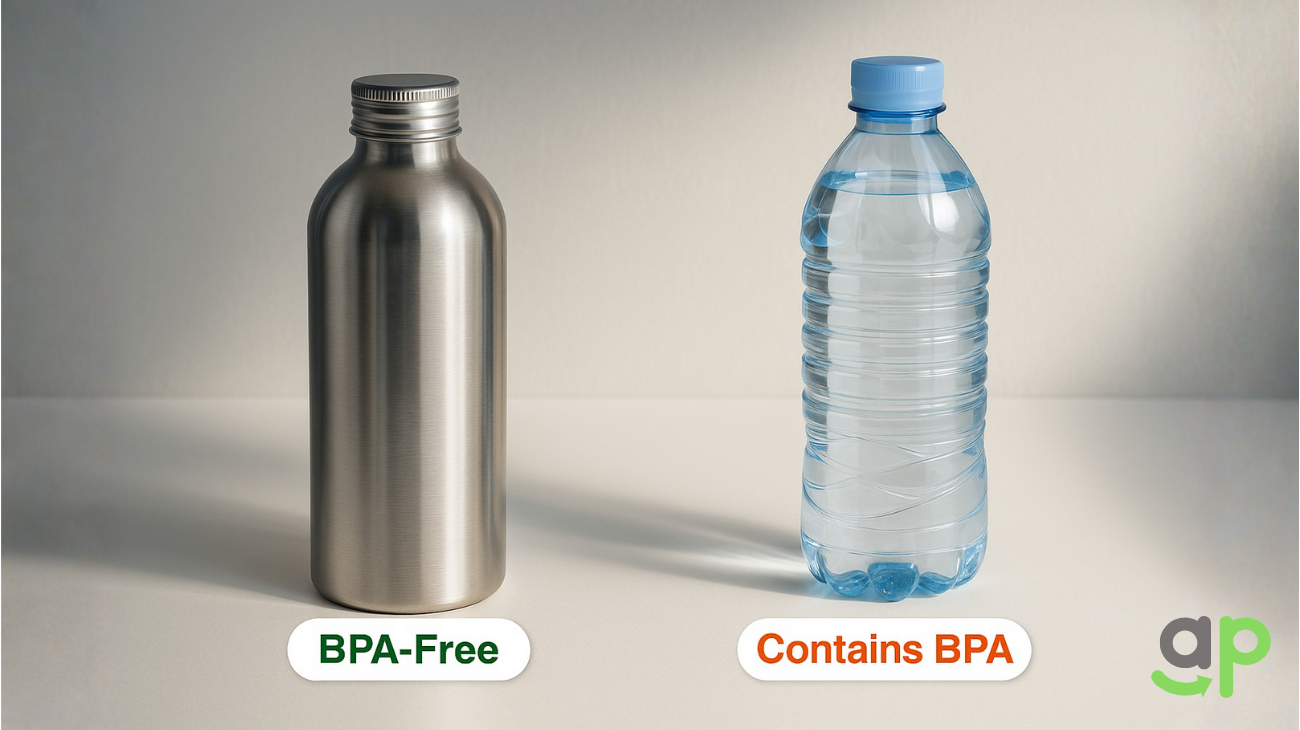
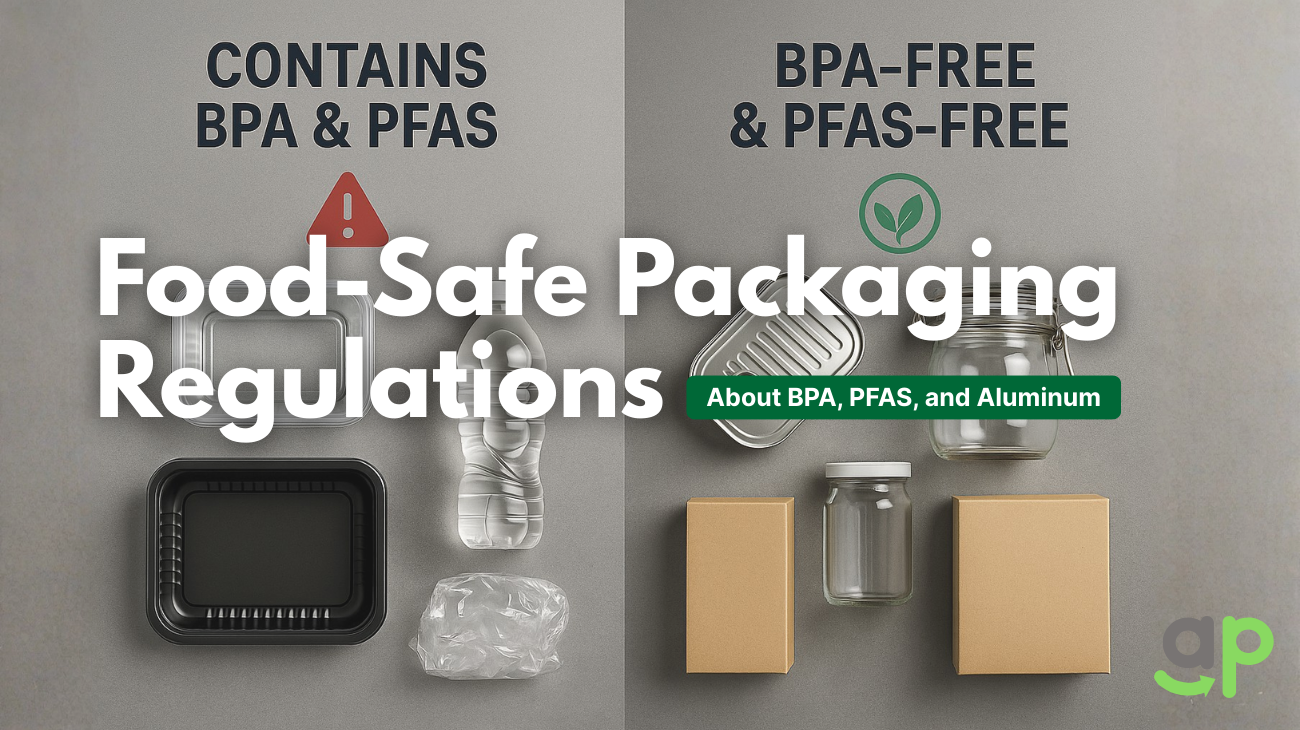
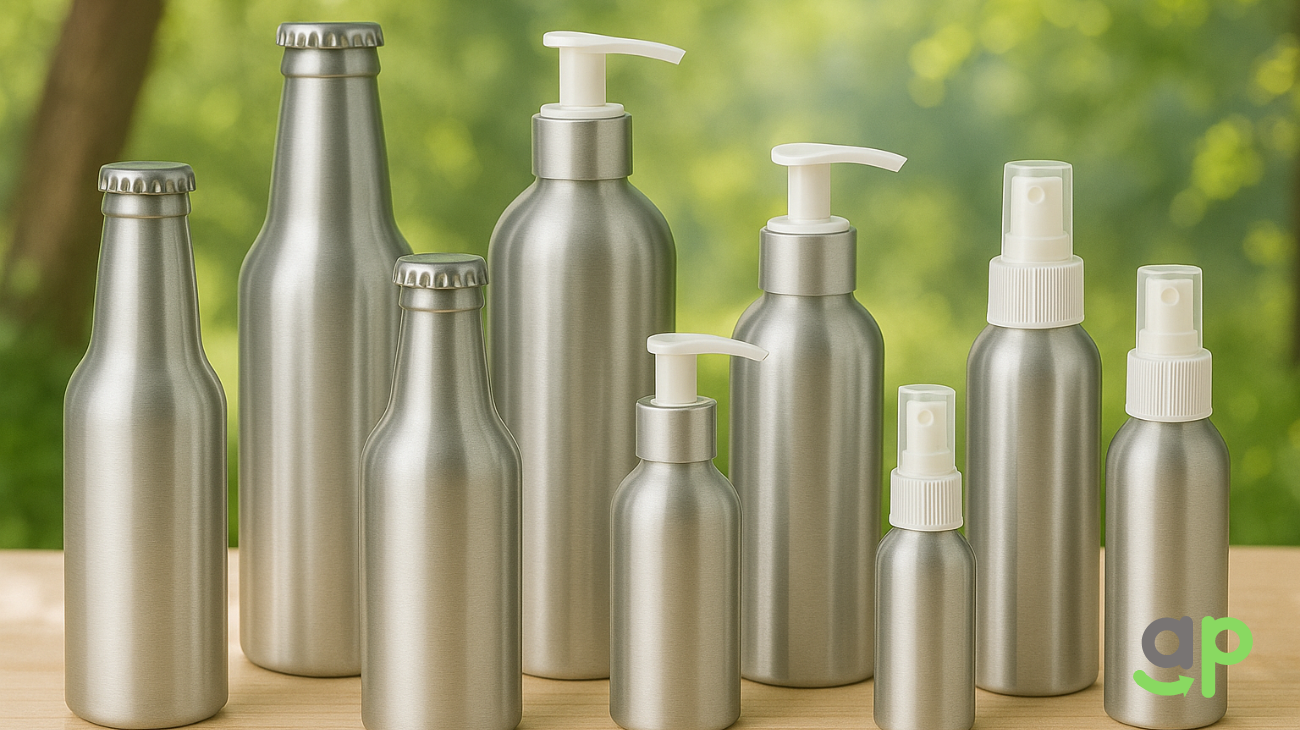
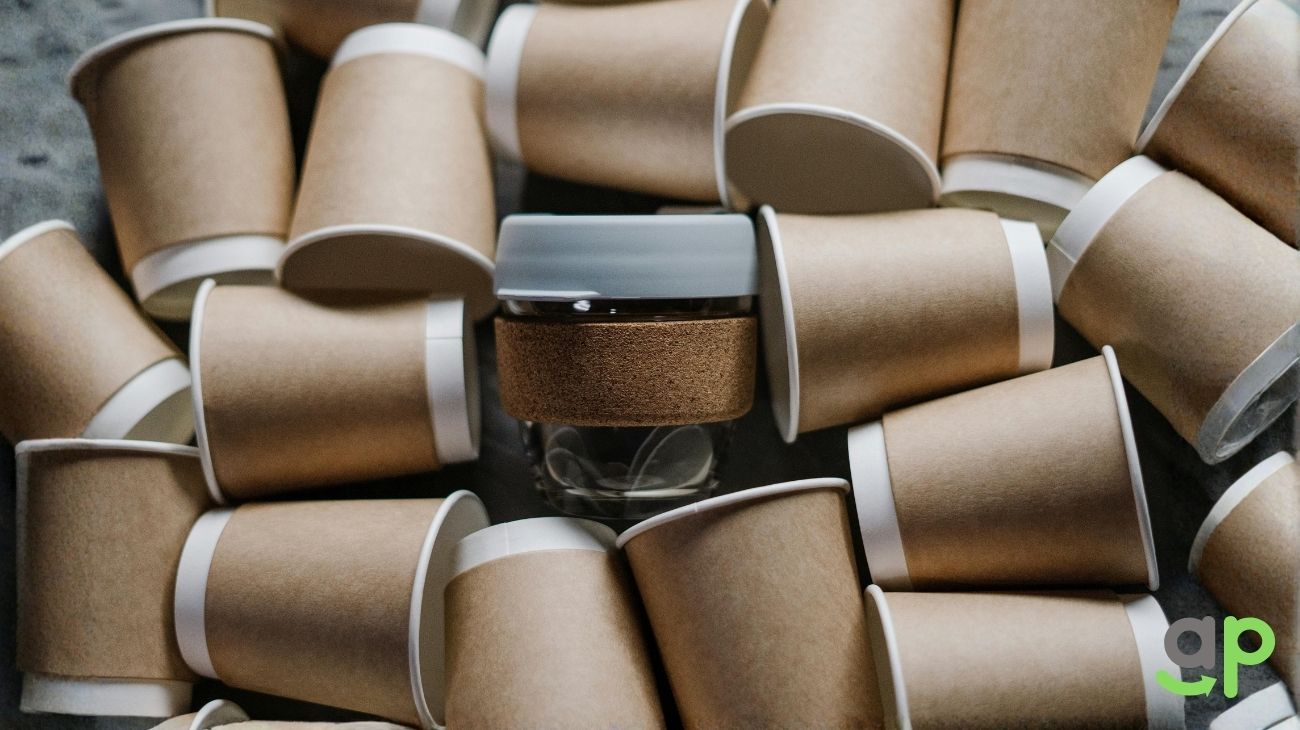
Replace old plastic storage with glass, stainless steel or aluminum, which are all BPA-free food containers. This is especially important for hot foods that can cause BPA to leach, but it goes for daily storage too. If you only have plastic on hand, keep it for cold, non-acidic, and non-oily foods only which won’t accelerate BPA / BPS / BPF leaching.
If you’ve stored food in plastic, don’t heat it up in the same container. Tip it over into glass or ceramic before popping it into the microwave. The problem is, even “microwave-safe” plastics that are “BPA-free” aren’t fully safe. That’s because they focus mainly on heat resistance, not the full chemical picture.
While easy and handy, BPA in canned food inevitably exposes you to health risks. Rinsing canned beans and veg before consumption helps, but the wiser choice would be to shop on the outskirts of the grocery store instead – where the fresh, liner-free fruit and veg sits.
If a store doesn’t offer digital receipts, avoid crumpling paper receipts in your palm which can trigger Bisphenol A release. Always wash your hands before eating, and if you work in a retail store, a smart move would be to wear gloves, wash hands regularly, and keep sanitizer close.
A Quick Word on Kids
Parents have a lot on their plates, from mixing formula to packing school lunches. BPA anxiety shouldn’t enter the mix. Try to choose baby bottles, sippy cups, and BPA-free water bottles from reputable brands that are clearly labeled BPA-free, and always heat food and drink in truly BPA-free food storage like glass or aluminum.
The Bottom Line
Bisphenol A is everywhere, avoiding it seems impossible, and the science is still being argued. And while you don’t need to panic, you also don’t need to do nothing either. From storing and reheating in BPA-free food containers like glass or aluminum , to trading cans for fresh or frozen where possible, you can cut your BPA exposure without turning your kitchen upside down.