
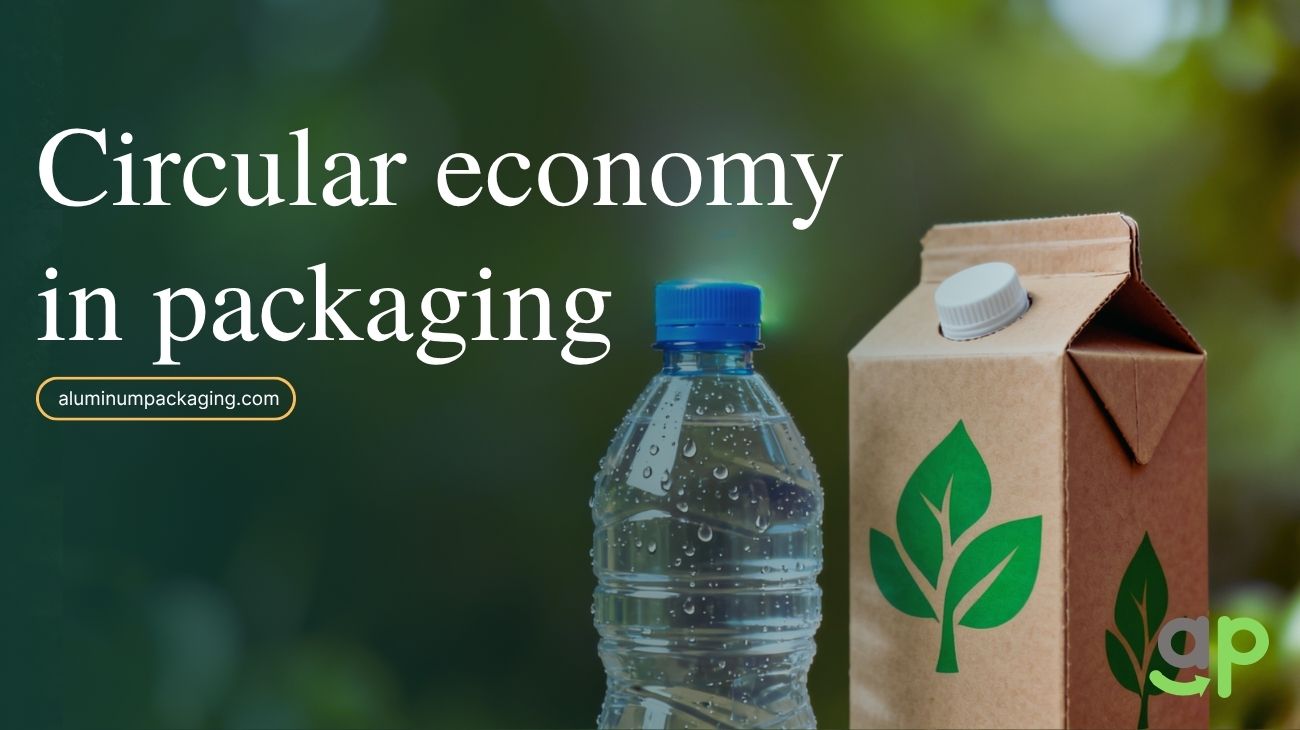
The circular economy isn’t about recycling a bit more or swapping one material for another. It’s a complete restructure of how products move through the economy. Instead of extracting raw materials, manufacturing something short-lived, and sending it to landfill, the goal is to keep resources in circulation—at their highest possible value—for as long as possible.
In packaging, that means three things:
- Designing products that don’t become waste
- Keeping materials in active use through reuse or recycling
-
Recovering value instead of sending it to landfill or incineration
The food and beverage sector is one of the biggest testing grounds for circularity. It has scale, consumer visibility, and a clear waste problem. That also means it’s where change is most urgently needed.
Why packaging needs circular thinking
Food and beverage packaging is one of the most frequently discarded waste streams. Most of it is used for minutes and thrown away for decades—or centuries. The circular economy challenges that logic.
A circular packaging model:
- Cuts dependency on mined and fossil-based materials
- Reduces the emissions tied to production and disposal
- Keeps value in the system rather than bleeding it into landfill
-
Forces design decisions that think beyond first use
Business owners take note: It’s quickly becoming regulatory, financial, and reputational insurance.
How circular systems work in practice
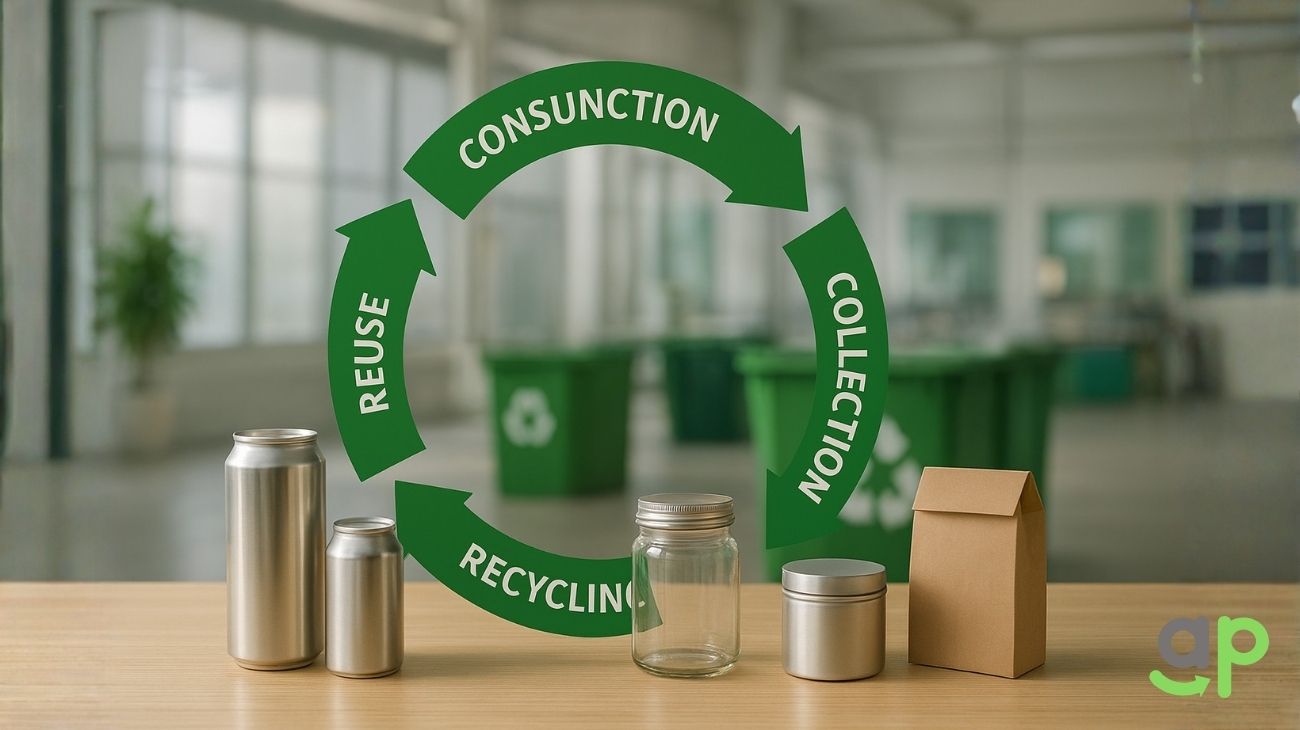
Implementing circularity relies on more than just recyclable materials. The system only works if design, recovery, processing, and reuse are aligned. Here are the four levers most packaging systems rely on:
Closed-loop recycling
Materials like aluminum and glass can return to the same application without degrading. This is the gold standard: turning yesterday’s packaging into tomorrow’s, without new extraction.
Deposit and return schemes
Regions with deposit programs routinely hit recovery rates above 80–90%. They don’t “hope” people recycle, they make it worthwhile.
Design for separation
Multilayer plastics, mixed-material caps, and hidden coatings make recovery harder and more expensive. Single-material packaging increases recycling success dramatically.
Reuse and refill pilots
Refillable containers aren’t just for milk bottles anymore. Some brands, such as Coca Cola and Unilever, are testing return models for beverages, condiments, and ready-to-drink products. It’s niche now, but the infrastructure is expanding.
The friction points
Not everything stands up to circular goals. The biggest barriers are operational:
- Recycling access isn’t equal. Some cities collect packaging curbside. Others send it straight to landfill.
- Contamination kills value. A recyclable material covered in food residue or paired with plastic film often ends up discarded.
- Downcycling still dominates plastics. Most plastics don’t get reused in the same application.
-
Economics can stall ambition. If secondary materials aren’t competitive, recovery systems falter.
The circular economy works when materials are valuable enough to recover—and systems make it easy to do so.
Circular economy examples in food and beverage packaging
Here are four high-functioning examples that show what circularity looks like when it’s implemented properly:
Aluminum can-to-can recycling
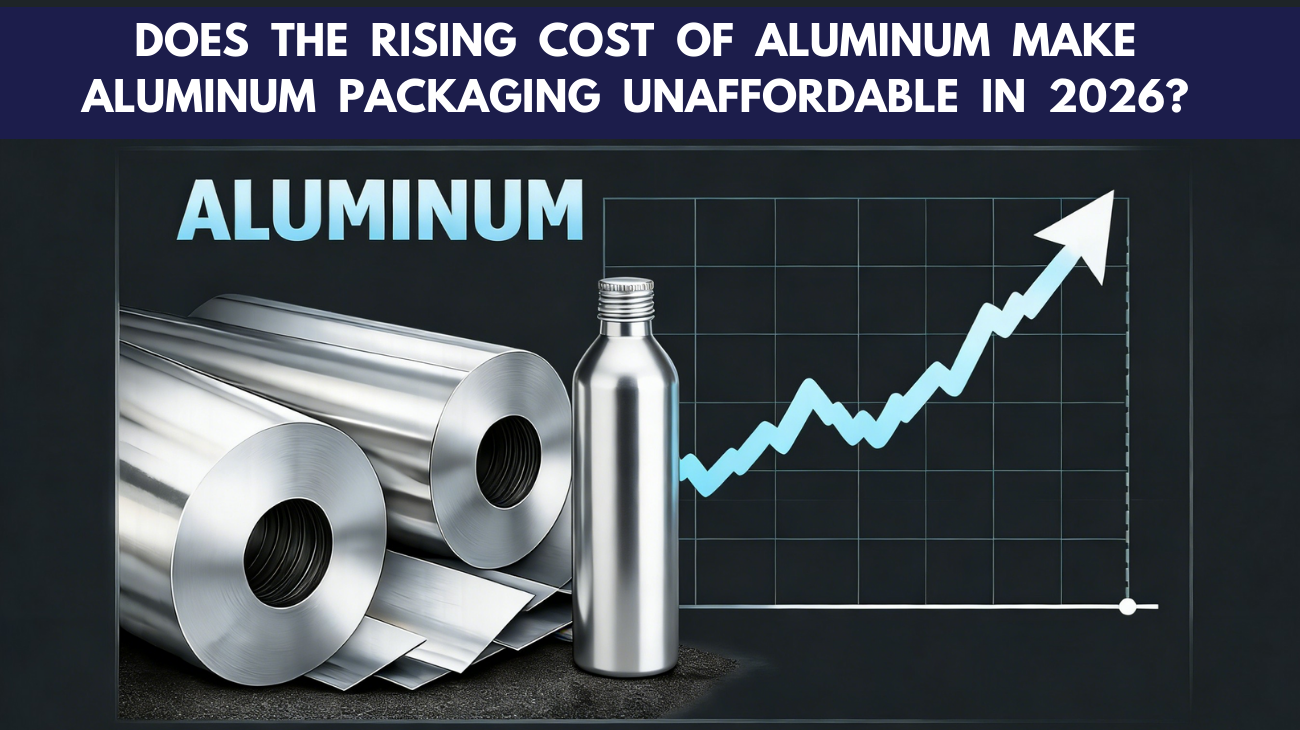
Aluminum is one of the few materials that can be recycled indefinitely without losing quality. In many mature markets, used cans are collected, remelted, and turned back into new cans in under 60 days. High scrap value means the material actually funds its own recovery; a crucial factor in making circularity commercially viable.
Glass bottle return and refill schemes
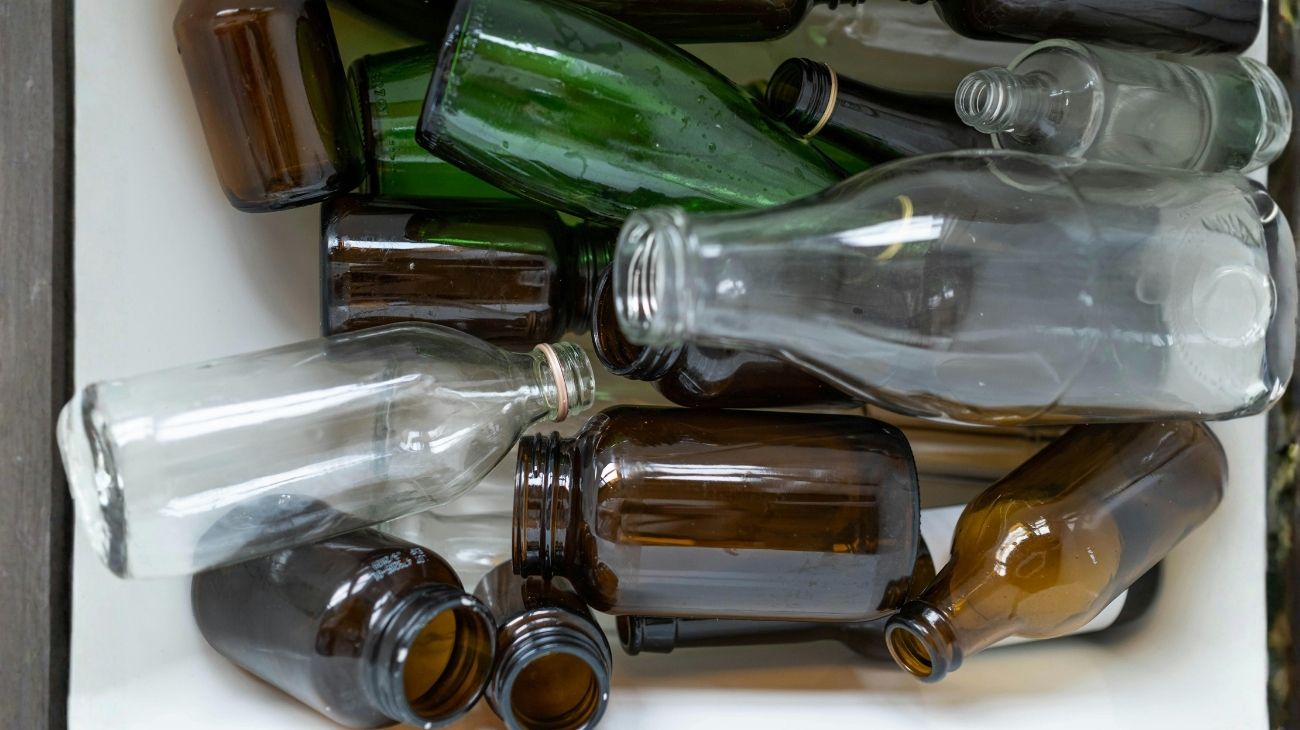
Countries like Germany, Finland, and the Netherlands use deposit systems that keep glass bottles in circulation for multiple refill cycles. When they can’t be reused further, they’re recycled back into new glass. Material purity is retained, and waste is minimized without relying on consumer guesswork.
Recovery programs for composite cartons
Cartons used for juice and milk often combine fiber, plastic, and sometimes aluminum layers. They’re not easy to process, but specialist recovery systems in the EU and parts of Asia are starting to extract usable fiber and secondary materials. The model isn’t perfect, but it shows how circular thinking can upgrade existing formats.
Reusable beverage and food containers
Refill models are gaining traction in cafes, grocery delivery systems, and closed-loop retail pilots. Stainless steel, durable glass, and thicker-walled plastics are being trailed for multi-cycle use. These aren’t mainstream yet, but they demonstrate how ownership models and packaging design can evolve together.
Why these examples are crucial
Each one of these circular economy examples solves a different part of the problem:
- Aluminum shows how value drives continuous recovery.
- Glass proves reuse beats recycling when infrastructure exists.
- Carton recovery shows that even complex materials can be designed into loops.
-
Refill models test the future of packaging ownership.
What they all have in common is this: the material isn’t the whole story. Collection, recovery, sorting, and market demand make or break the loop.
The bottom line
If you look closely at the best circular economy examples in packaging, they all rely on three things working together:
- A material that can be reused or recycled without major degradation
- A system that makes recovery practical and profitable
-
A clear path to turn old packaging into new value
Food and beverage packaging is often criticized for waste, but it’s also where progress is most measurable. If you’re exploring how materials fit into circular systems—or looking for data you can use in strategy, reporting, or product decisions—you’ll find more resources at aluminumpackaging.com.