
In recent years, we’ve seen a noticeable shift in the number of businesses embracing sustainability as part of their everyday operations.
Being sustainable and environmentally conscious not only makes sense from a human perspective, it’s also highly beneficial from a business standpoint as well. Without question, plastic waste is one of the biggest environmental threats our planet has ever seen. As a result, businesses are often offered a wide range of incentives to be greener and more eco-friendly.
It isn’t just plastic office waste that health officials and experts are concerned about, either. Paper, cardboard, stationary, and other office essentials often make their way to landfill. While some of these items do indeed degrade and break down, things such as refuse collection and incineration can result in a sharp increase in emissions and greenhouse gases.
More promisingly, however, is the fact that there are plenty of ways for businesses to reduce, reuse, and recycle their office waste. Here are just a few examples of how.
Carry Out Weekly Waste Audits
Before you even begin thinking about how you’re going to reduce the amount of waste your office creates, it’s important to understand exactly how much waste your organization does produce, and what it consists of. This is where a waste audit is so useful.
With a waste audit you can make a note of how much waste, on average, you produce each week, and what the primary waste sources are. By doing this, you not only understand volumes and sources of waste, but you can also then use this info to create a waste management plan moving forward.
Ditch the Office Plastics
One great way of cutting back on the amount of plastic waste you produce, and promoting sustainability in the process is to switch from plastic to sustainable, recyclable materials whenever possible.
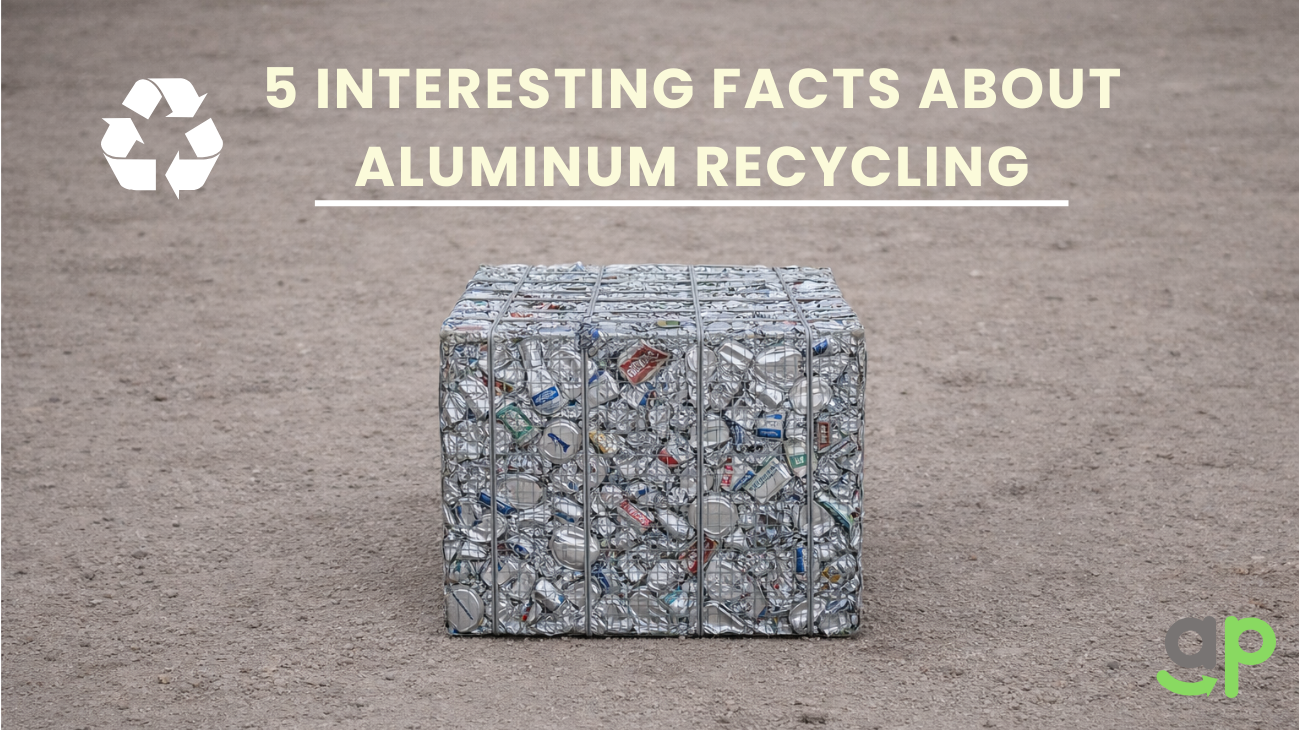
Instead of stocking vending machines with plastic bottles, choose aluminum drinks cans instead. Aluminum is cheaper, healthier, and is infinitely recyclable. Instead of using plastic water bottles, invest in reusable water bottles.
If your office has a coffee machine that takes coffee pods, switch from plastic pods to recyclable aluminum pods instead.

Compost Organic Waste
Office environments may not be synonymous with green organic waste, but you’d be surprised by just how much waste produced in office settings is actually organic and compostable.
Organic waste can consist of a wide range of different things, though primarily it includes things like:
-
Food waste
-
Used tea bags and coffee grounds
-
Plain paper and cardboard
-
Paper towels and napkins
-
Biodegradable cutlery
-
Compostable straws (paper and cardboard ETC)
-
Leaves, grass clippings, dead plants and flowers, and other green waste
Across the nation, and in other parts of the world, states and governments offer the collection of compostable green organic waste as part of their recycling programs. By composting, not only does this help to reduce emissions and lower carbon footprints, but it means that the waste can be used as a natural growing medium.
Remove Individual Desk Trash Cans
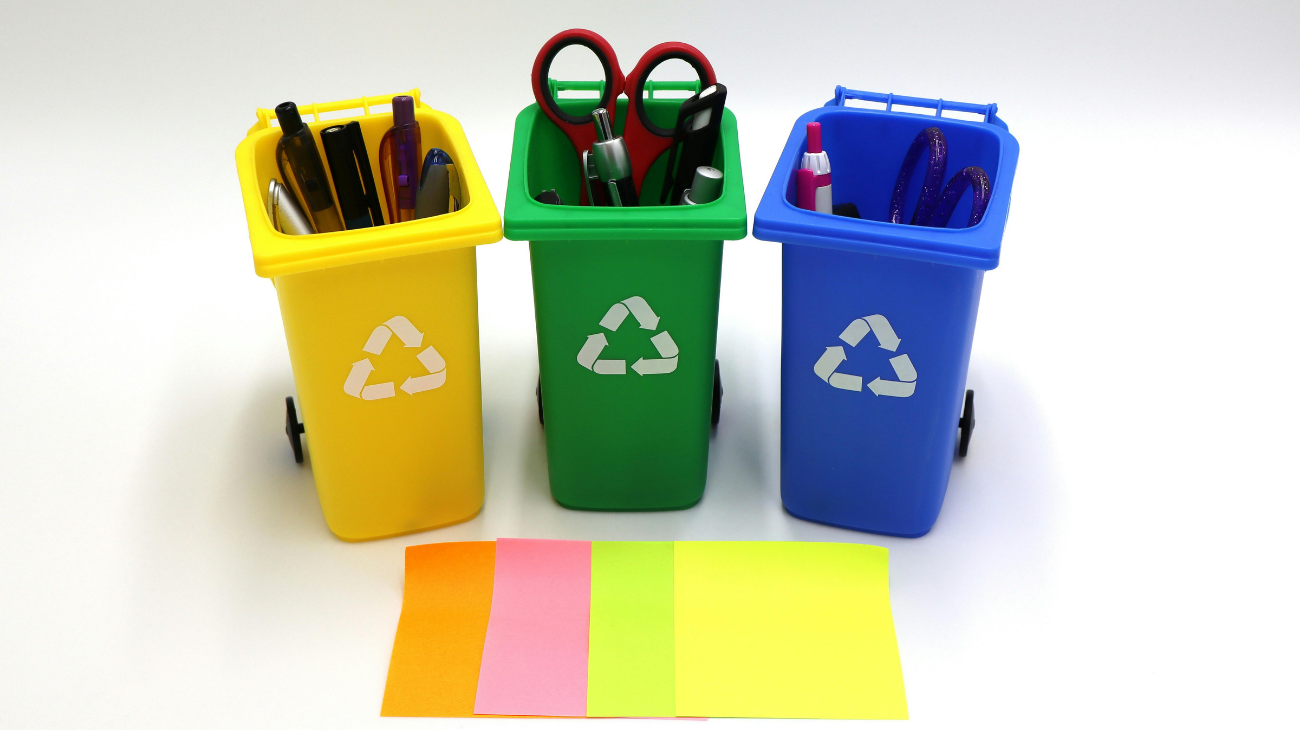
Instead of allowing each employee to have their own trash can by their desk, set up waste and recycling stations around the office to encourage employees to correctly dispose of their waste.
With recycling stations, be sure to clearly label what can and cannot be recycled, as well as any special instructions so employees know exactly what to do before using them.
Upcycle Old Office Furniture
There will come a time in every office chair and desks’ life, where it inevitably needs to be replaced. This could be due to it looking old, tired, and worn down, or it could be damaged in some way. Regardless, rather than throwing old office furniture onto the garbage heap, ready to be sent to landfill, try to upcycle it instead.
Old desks and cabinets can be transformed into decorative items of furniture for the office. Old stationary can be repurposed into herb gardens or planters, and so much more besides.
If you and/or your team don’t have the time, skills, or resources to upcycle old office essentials, why not advertise in local buy and sell pages or free pages and see if any keen upcyclers local to you could make use of what you’re getting rid of. After all, ‘one man’s trash is another man’s treasure’.
Invest in Reusable Office Stationary
Another very simple way of reducing the amount of waste your office produces, and being environmentally friendly in the process, is to invest in reusable office stationary and supplies.
Instead of using disposable pens and batteries, invest in reusable pens and markers, along with rechargeable batteries. Instead of brand-new paper, purchase paper which has been recycled.
Use Sustainable Packaging
While this next suggestion won’t directly allow you to reduce the amount of waste you produce, what it will do is allow you to reduce the amount of plastic waste produced.
Plastic packaging contains harmful ingredients such as BPAs and other microplastics, that have been linked with a number of health risks, both to humans and local ecosystems. Because of this, sustainable packaging alternatives such as bioplastics are being developed.
As beneficial as biodegradable plastics are, they aren’t the most sustainable packaging material in the world, they cost a lot to produce, and they require a lot of energy to produce.
As an alternative, sustainable aluminum packaging is considered by many to be a far more viable option. Not only are they cheaper to produce and kinder to the environment, they also use far less energy during production. Around 95% less energy to be precise.
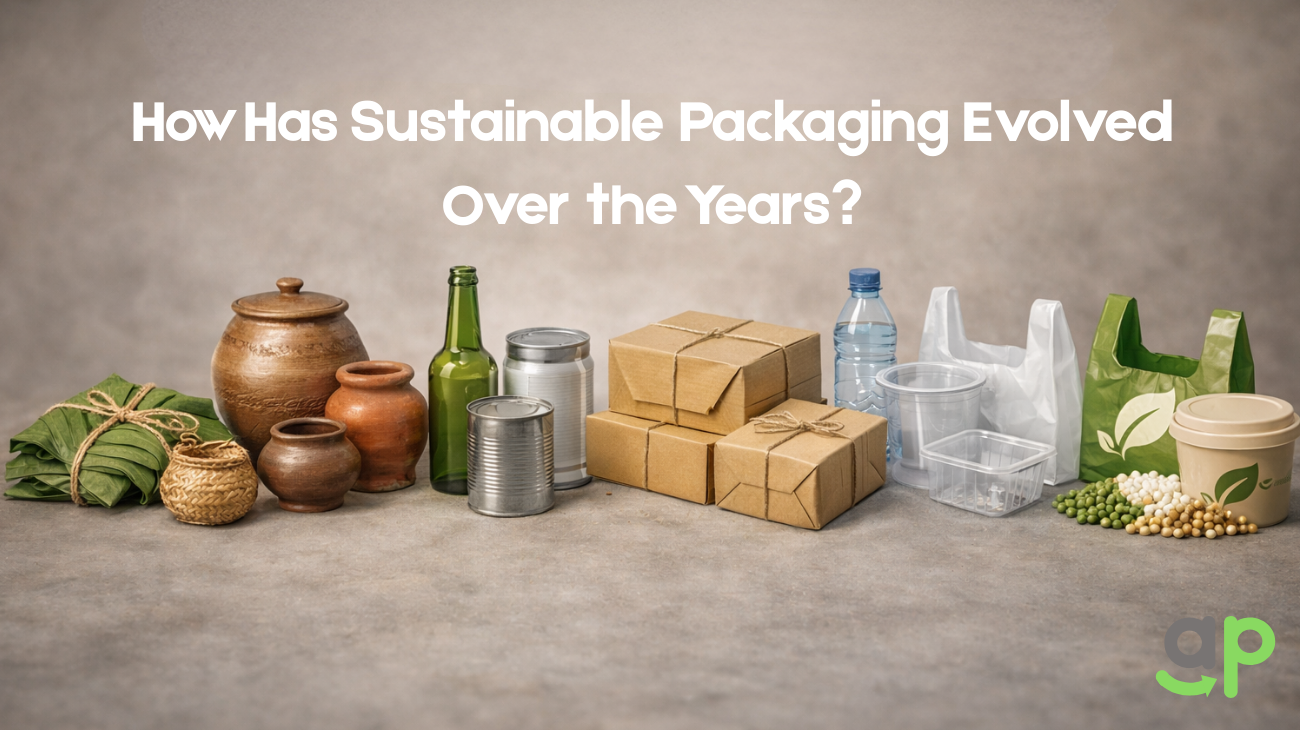
If you want to cut back on the amount of plastic waste you produce through packaging, sustainable packaging materials such as aluminum, glass, paper, and cardboard are ideal.