
Each and every single year, millions upon millions of tons of plastic waste finds its way into landfill, the countryside, our oceans and waterways, and plenty more besides. As you might expect, this is having a devastating effect on our ecosystems, local wildlife, and the environment as a whole. The unfortunate reality is that much of this plastic waste is there as a result of unnecessary food and drinks packaging.
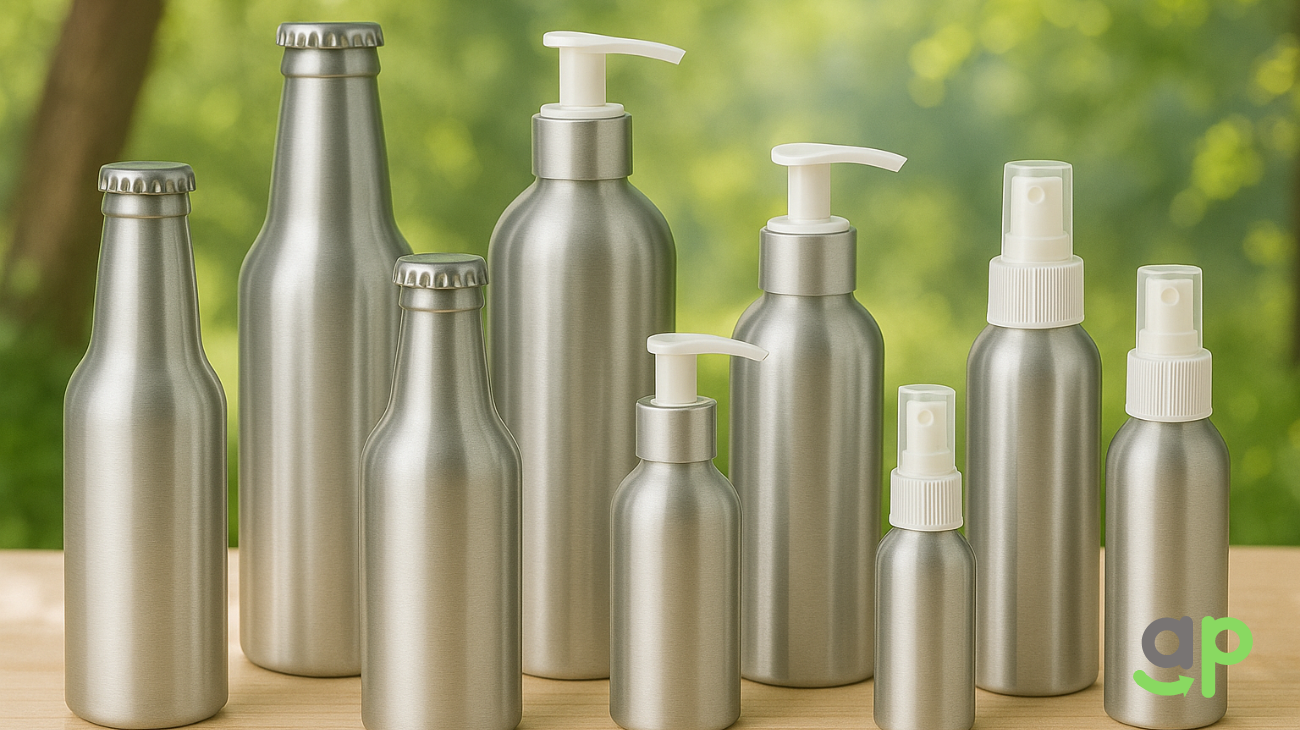
Plastic packaging, particularly within the food industry, has only fairly recently become recyclable, and can take hundreds of thousands, if not millions, of years, to fully degrade and break down. As a result of this, in recent years we’ve seen a sharp increase in the number of food and drinks businesses moving away from plastic packaging and instead embracing more environmentally friendly options such as aluminum bottles.
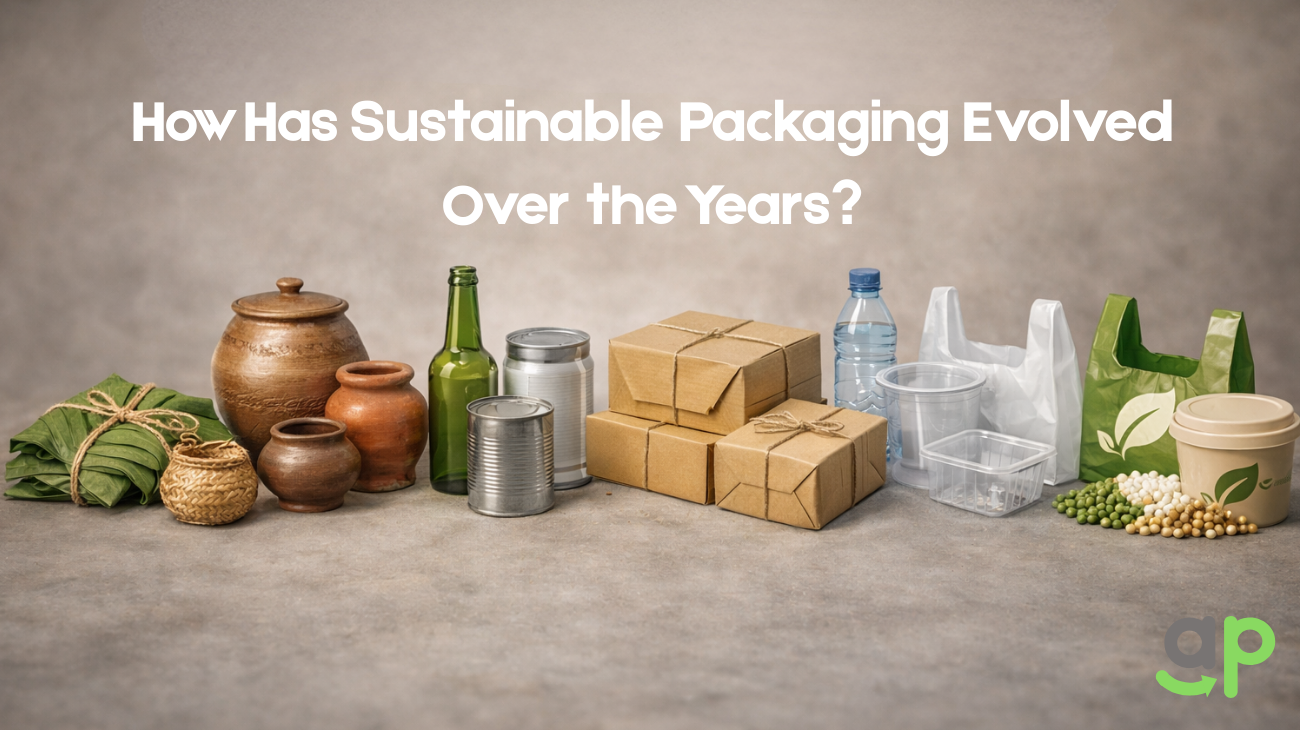
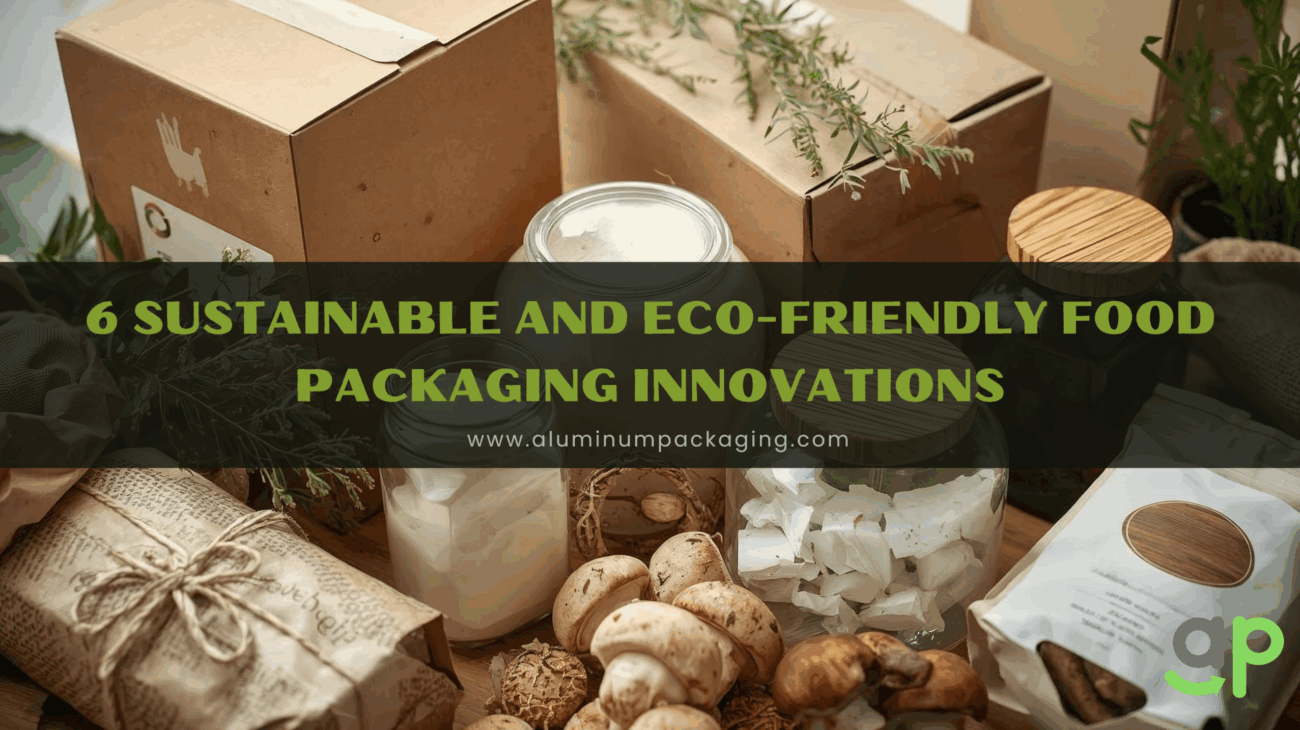
From recycled aluminum and seaweed to seed packaging and sugarcane “plastics” here are 6 sustainable and eco-friendly food packaging innovations helping to tackle climate change one product at a time.
Reusable Packaging
One trend we’ve really seen picking up steam in the food and drinks industry in recent years is reusable packaging.
The concept behind this is very simple. Customers simply purchase a product which will be stored in reusable packaging, they’ll use/consume the product in question, and when finished, rather than throwing the packaging into the trash, they’ll instead save it, clean it, and reuse it when they want a refill.
Reusable water bottles made from recycled aluminum, for example, are now in very high demand and are being used by people all over the world. Rather than purchasing bottles of water packaged in plastic bottles, they’ll instead use a refilling station and fill their own reusable bottle, or hand it to the server and have them refill it for them. A lot of stores and businesses also offer discounts for bringing your own bottles, so you get to save a few bucks in the process.
Now, apply this to other things such as coffee, tea, cooking oils, and other food and drinks and you can see what a great idea this is. By reusing the same packaging over and over, this vastly reduces the need for endless plastic packaging that would ordinarily be used once and be tossed into the garbage without a second thought.
Edible Packaging
When talking about innovation within the foods and drinks industry, you don’t get more innovative than packaging that you can eat! That’s right, edible packaging is now a thing and is proving to be a big hit in many parts of the world.
Edible snack boxes for example, are not just proving to be Insta-worthy gimmicks, but are actually gaining a lot of momentum in commercial settings, particularly in parts of Europe. Here, snack boxes are made from organic sun-dried areca palm leaves. They not only store the produce, but can also be used as edible plates and consumed along with the contents within. If they are discarded, as they’re 100% natural and biodegradable, they’ll quickly break down and nourish the soil in the process.
Other examples of edible packaging include things like edible straws and cutlery provided with drinks and snacks. Edible packaging is fantastic because it means that nothing goes to waste.

Aluminum Food and Drink Packaging
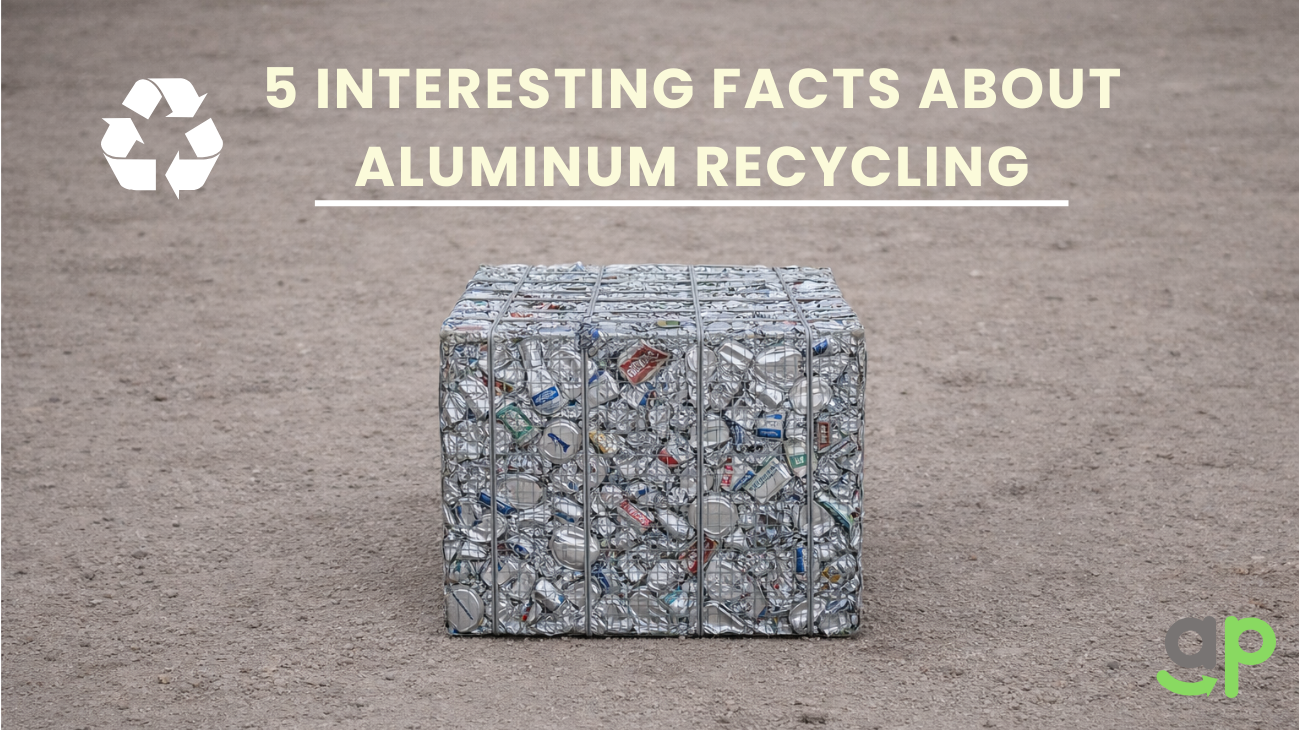
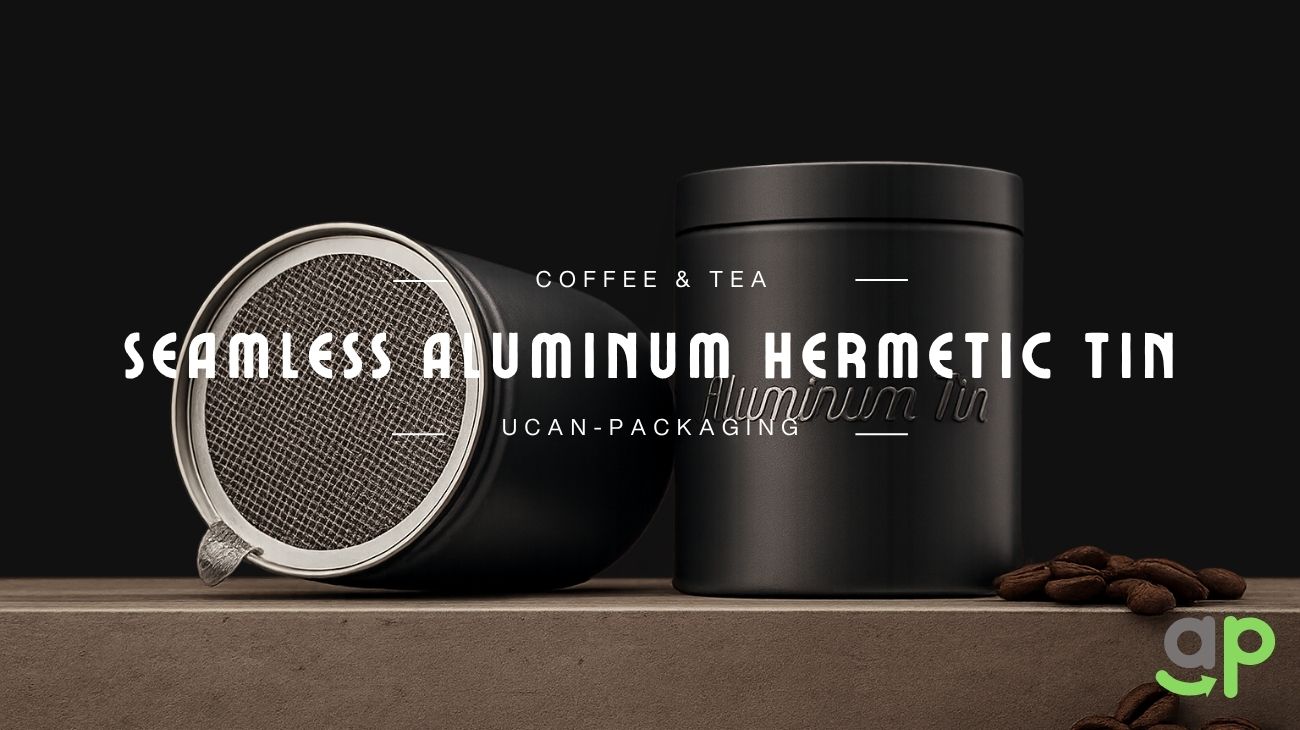
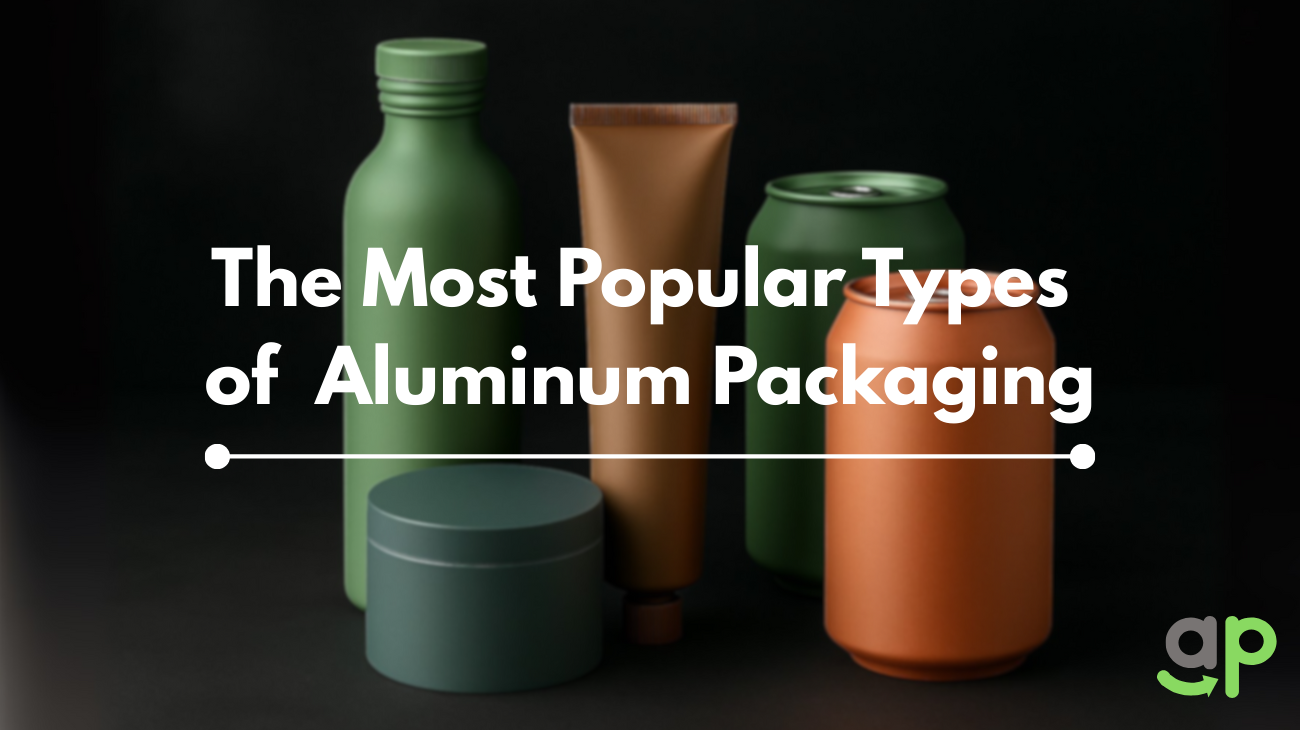
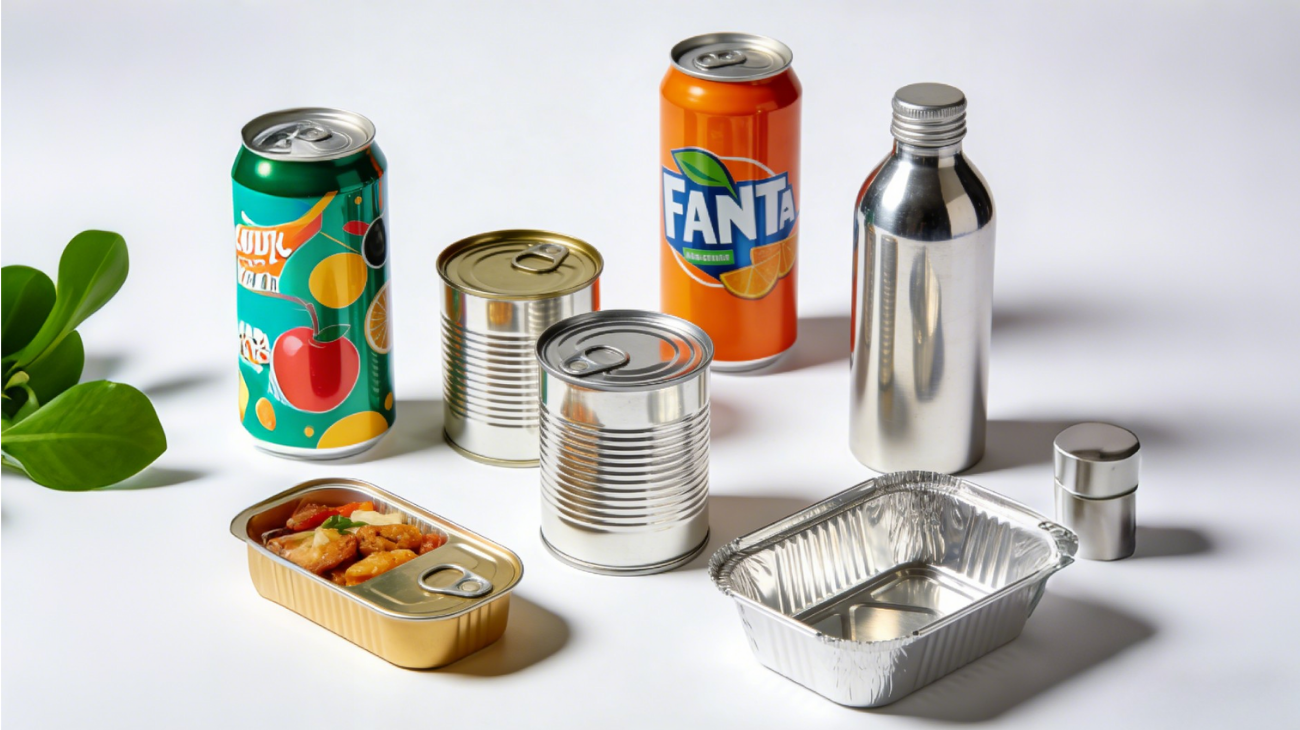
Without question, aluminum is one of the most sustainable, eco-friendly packaging materials used within the food and drinks industry.
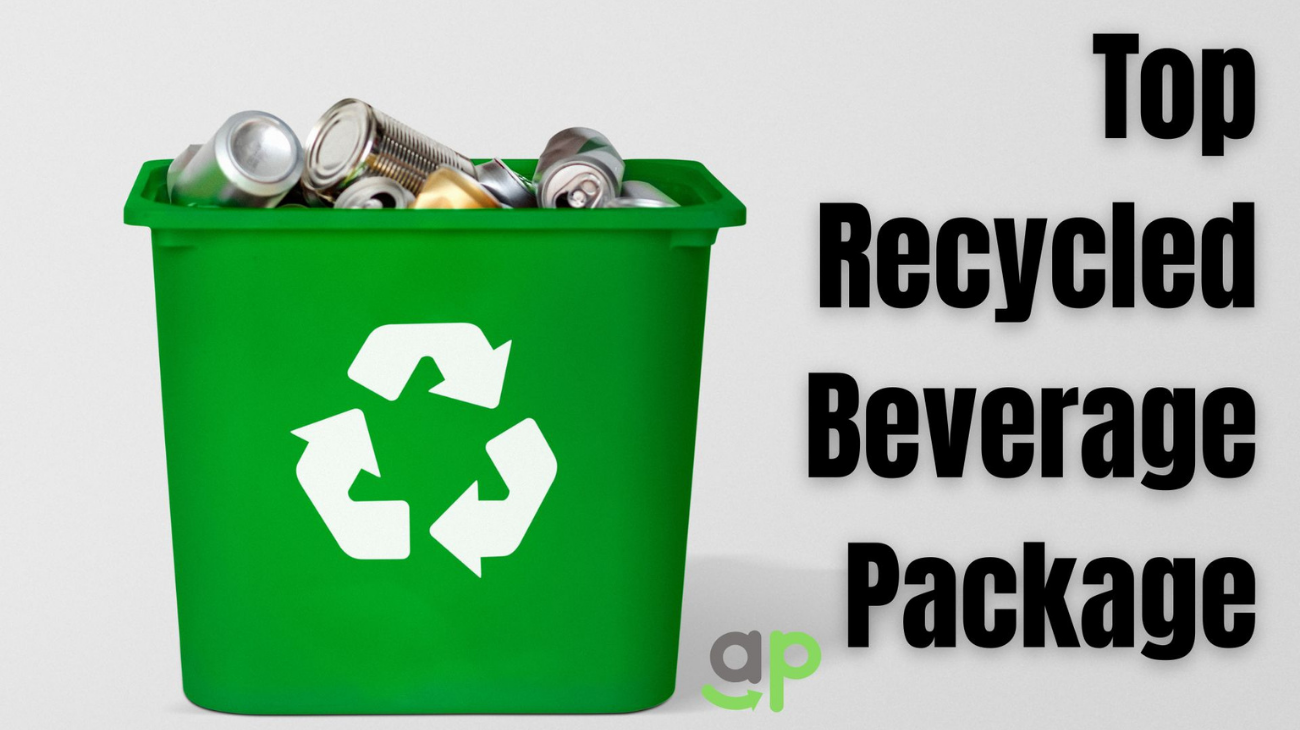
Aluminum is 100% recyclable and so can be recycled over and over again. It also requires far less energy to produce than other packaging materials, and as it provides such extensive protective and preservative qualities, it helps to prevent food waste by keeping produce fresh indefinitely.
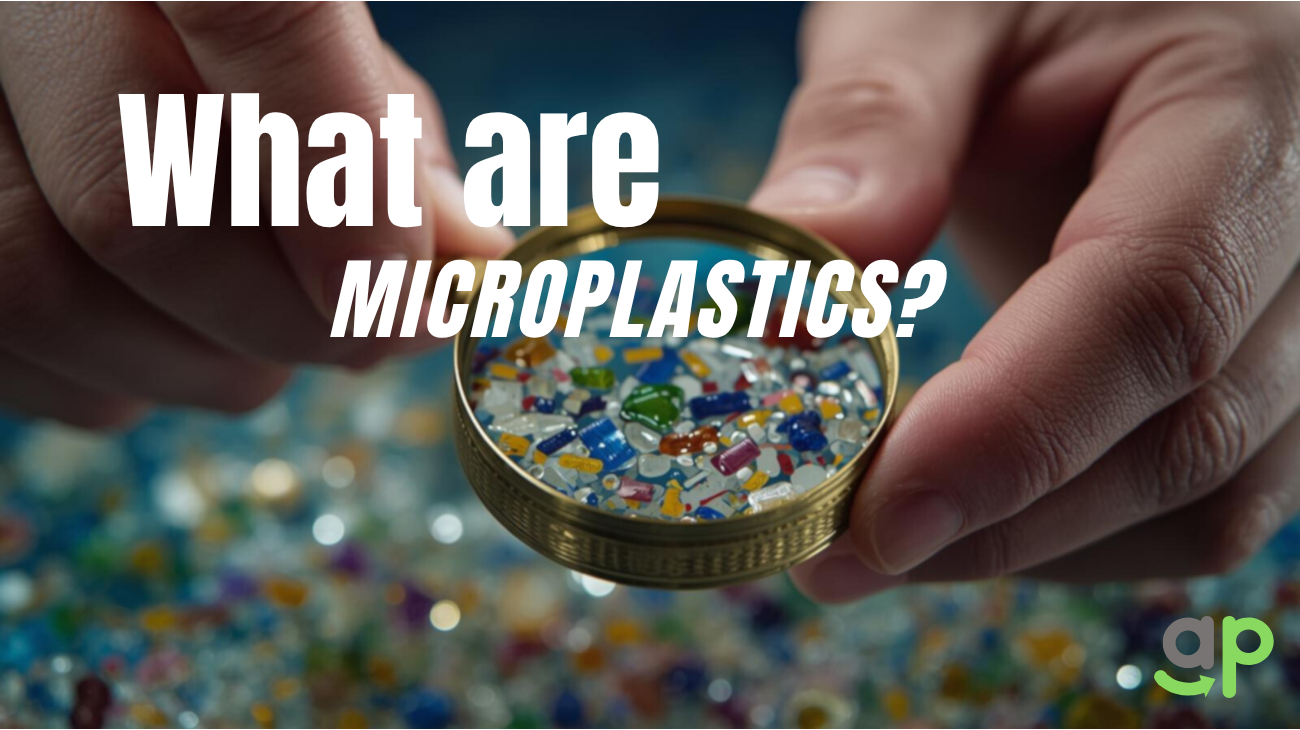
On top of the above, it is BPA-free, contains no harmful PFAS (also known as forever chemicals), and as it is free of plastics, you don’t need to worry about it leeching harmful microplastics into the food and/or drink stored within.
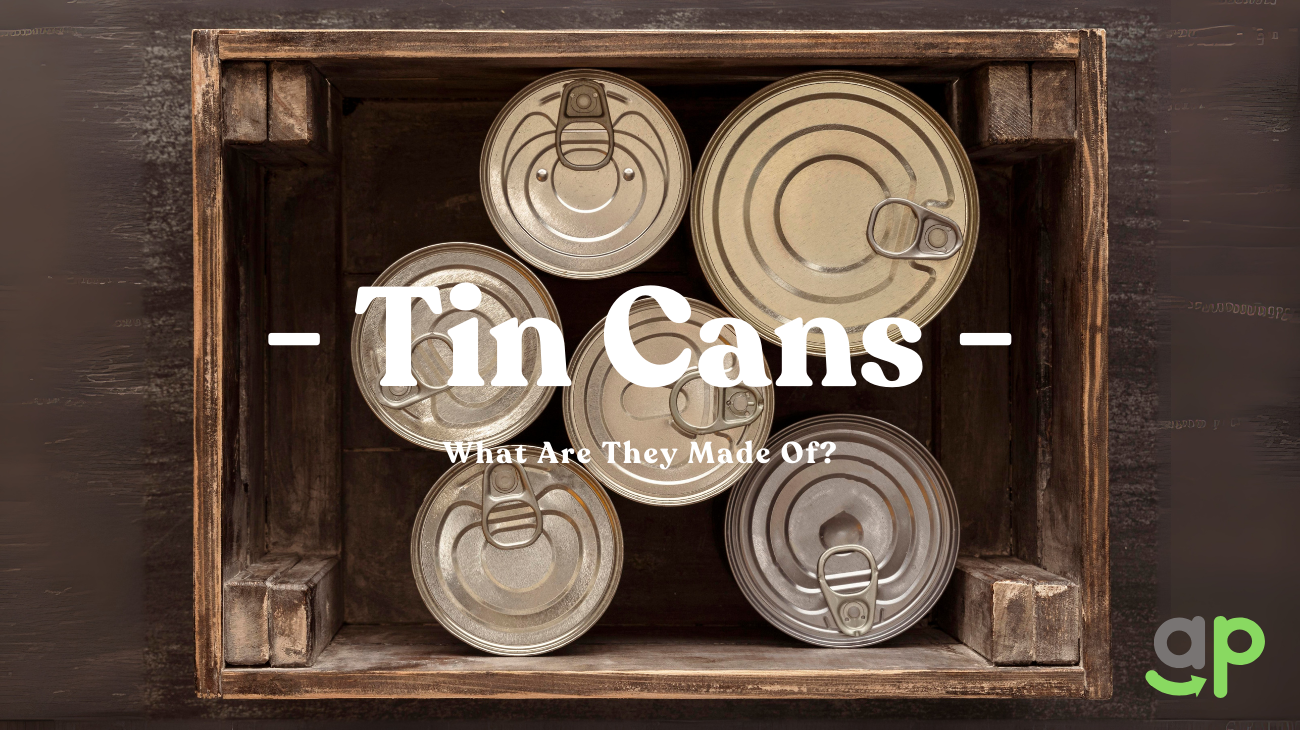
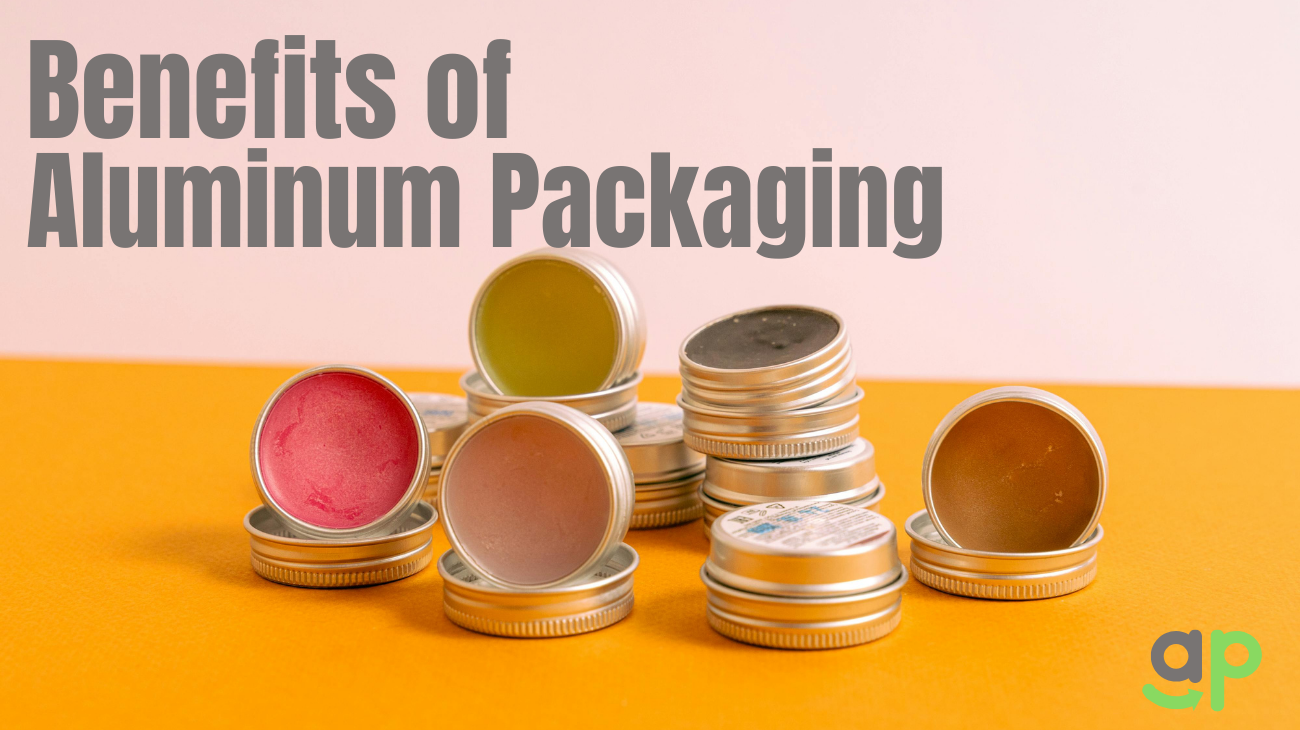
For decades now, aluminum has been used for canned goods, but times are changing. Now, we’re seeing aluminum being used in a wide range of different applications within the food and drinks industry. Rather than being stored in plastic trays and boxes, pre-prepared meals are stored and packaged in aluminum tin containers ready to go directly into the oven.
Seed Packaging
When talking about environmentally friendly food packaging options, this next example has to be up there amongst the best.
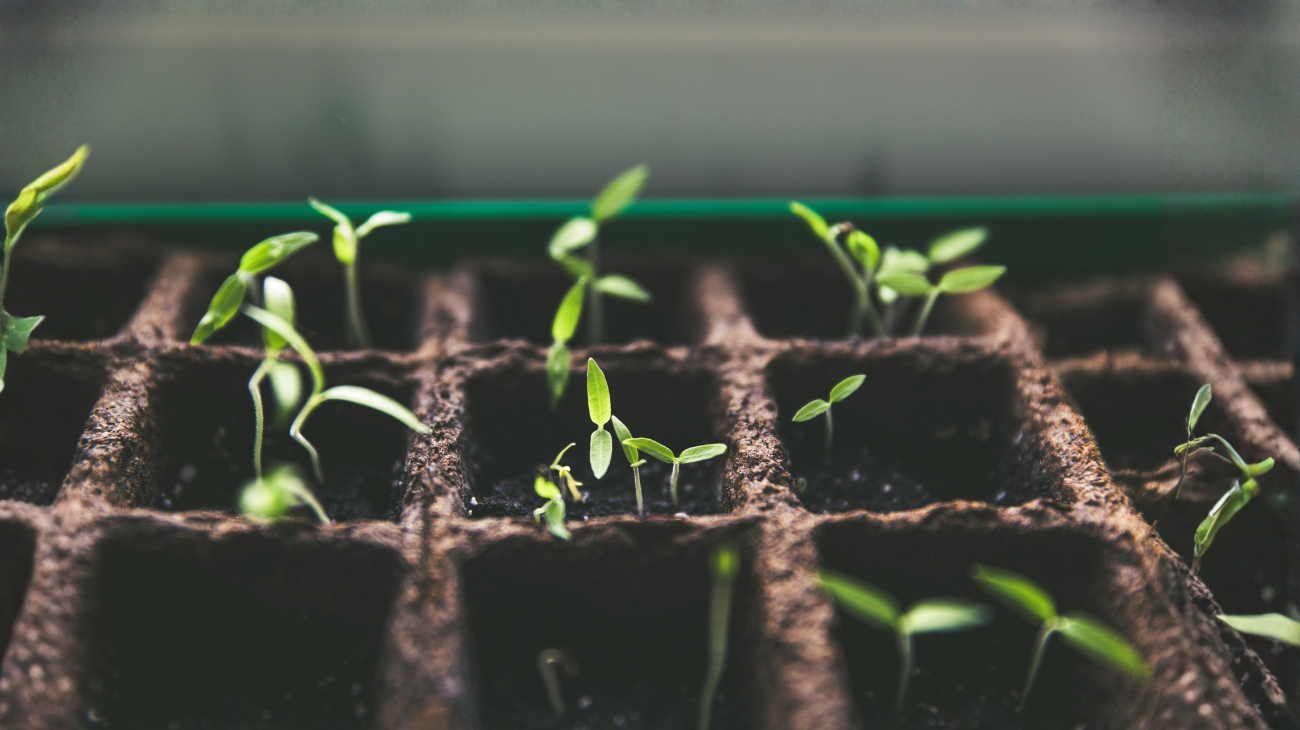
Seed packaging is typically made from 100% recycled paper or cardboard and is embedded with eco-friendly, non-invasive seeds. Once you’ve done with the packaging, rather than throwing it out, you instead plant it, water it, and use it to grow a selection of different things, such as wildflowers, herbs, fruits, or vegetables.
One such example includes cookbooks for specific produce such as chili peppers. Here, the book will consist of recipes containing chili peppers, along with pages embedded with different varieties of chili pepper. You can then plant these pages, water them, and wait for the seedlings to emerge. Once they do, you can transplant them and in a few months’ time you’ll be able to harvest your very own chilies.
Bioplastics
Bioplastics, also known as plant-based plastics, are derived from natural, plant-based ingredients such as sugarcane, algae, potato starch, bamboo fiber, corn, and many other similar products. These derivatives are used instead of harmful oil-based blends such as petroleum, which are typically used with conventional plastics.
Bioplastics are made from renewable and sustainable plant-based ingredients by converting natural starches and sugars found within the plant-based ingredients into polymers. These bioplastics can then be used to replace the regular plastics responsible for wreaking havoc on our oceans and our planet in general.
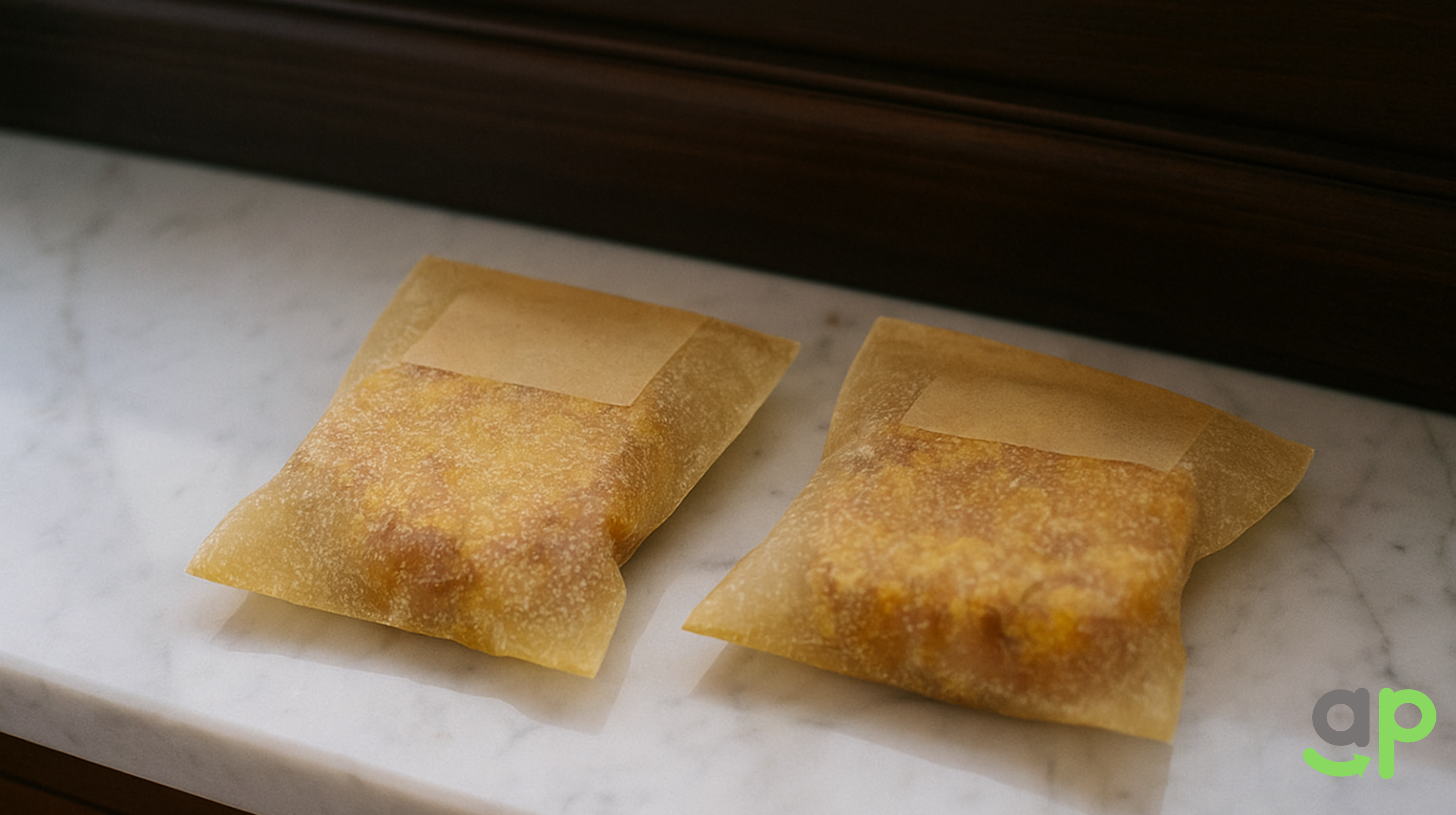
Seaweed
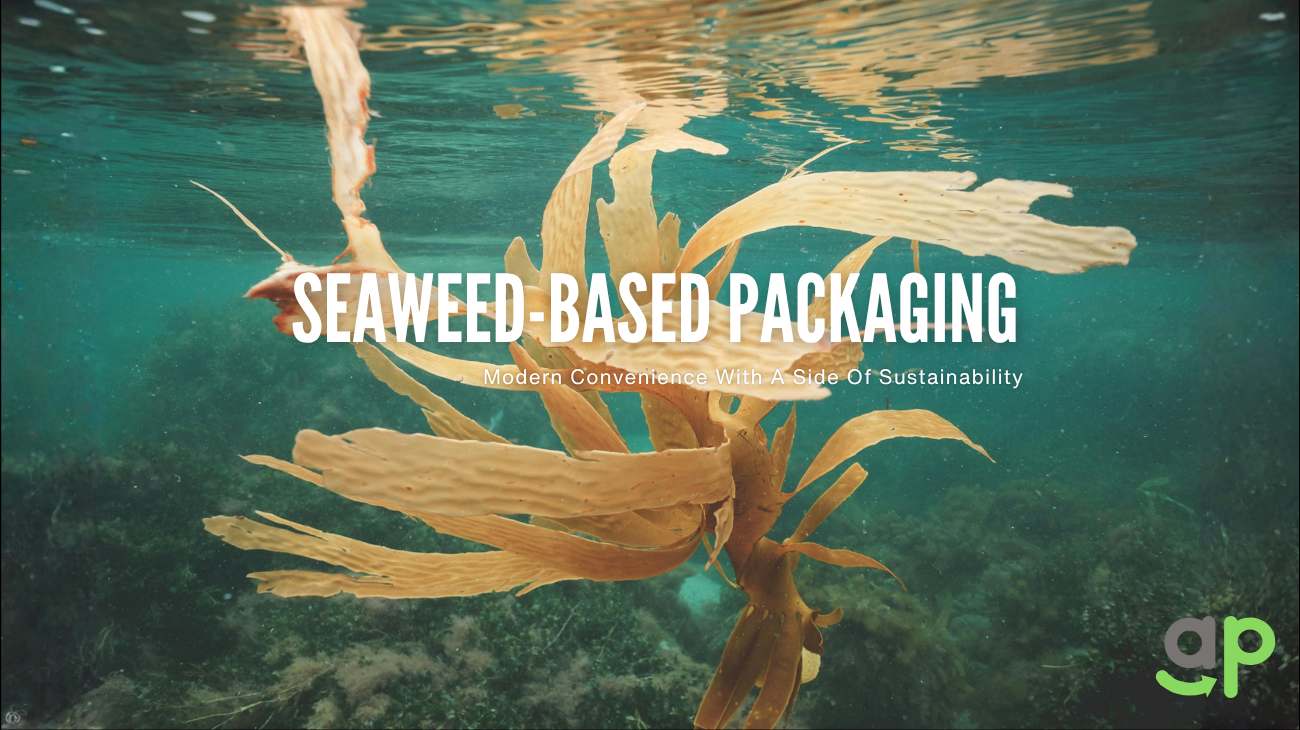
Finally, in somewhat of an ironic twist, our seas and oceans are quite literally taking the fight to conventional plastic food packaging, thanks to food and drink packaging made exclusively of seaweed.
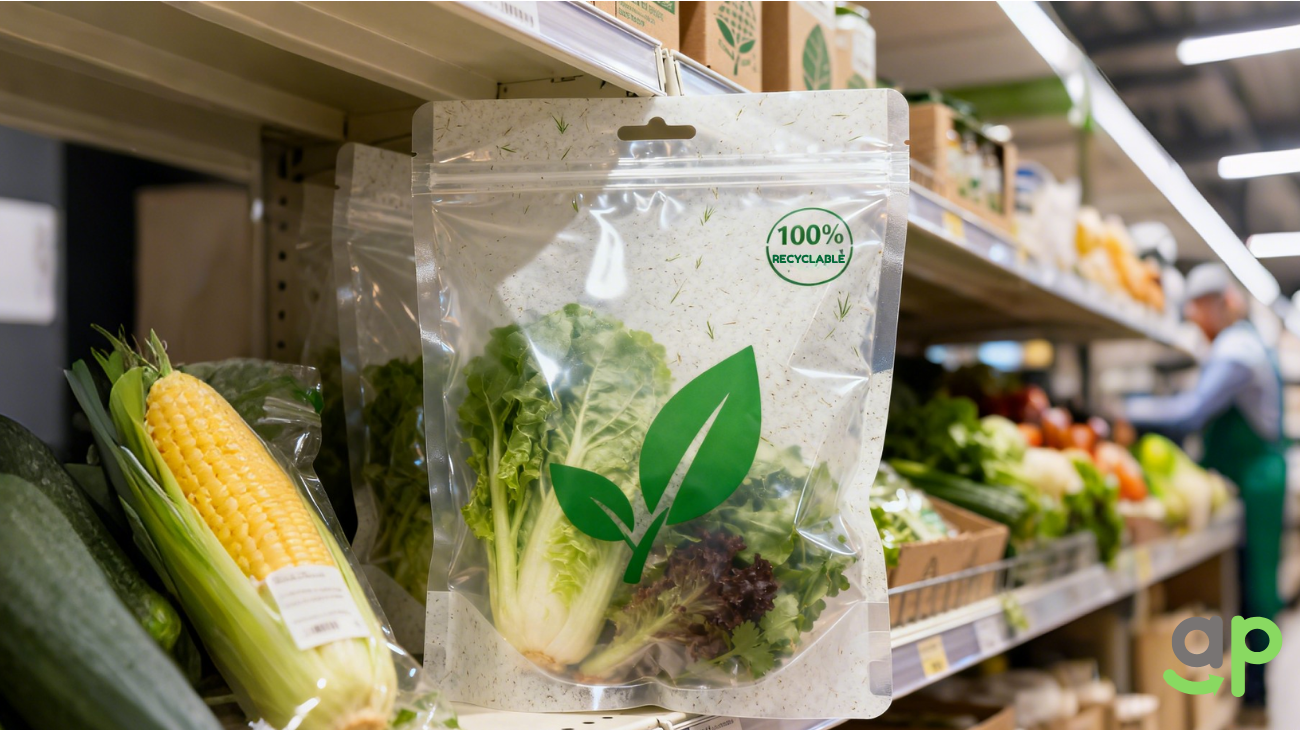
Seaweed packaging is made from natural biofilms and other derivatives of seaweed that provide the same advantages of plastic, such as water resistance, being greaseproof, and airtight, without any of the environmentally devastating drawbacks associated with regular plastics.
Seaweed packaging is 100% biodegradable. It is compostable and rich in nutrients, it’s incredibly sustainable, it can help to offset carbon, it’s much safer and healthier than plastic, and it can be used in virtually the same settings and scenarios as regular plastic within the food and drinks industry. This makes it a sustainable alternative to traditional plastic packaging.